










Key Takeaways:
- Regular engine maintenance, including checking fuel lines and the cooling system, can prevent common causes of engine failure and reduce the risk of being stranded on the water.
- Diagnosing engine problems early, such as by inspecting the ignition system and battery, can help you address issues before they lead to bigger complications.
- Electrical system checks, including ensuring secure connections and a functioning alternator, are essential to prevent unexpected power loss.
- Overheating issues, often caused by coolant shortages or a malfunctioning water pump, should be addressed immediately to avoid severe engine damage.
Diagnosing Boat Engine Problems
To diagnose your boat’s engine problems, start by checking the fuel system for any signs of blockage or contamination.
However, if the engine won’t start, you’ll need to expand your troubleshooting. First, inspect the ignition system. Are the spark plugs functioning correctly? A misfiring spark plug can prevent your engine from starting. Also, examine the electrical connections to ensure they’re secure and free of corrosion, as poor connections can disrupt the power flow.
Next, consider the battery. A low or dead battery is a common issue, especially if the boat hasn’t been used recently. Make sure it’s charged and test it to confirm it can hold the charge. This can save you a lot of frustration down the line.
Don’t overlook the cooling system, either. A malfunctioning water pump impeller can cause the engine to overheat, leading to significant damage if not addressed. Make sure it’s intact and functioning properly.
Lastly, while checking the fuel line and filter for clogs is crucial, remember that these are just starting points. Boat engine problems can stem from various issues, so a thorough inspection is key to diagnosing and fixing them effectively.

Fuel System Issues
Let’s now examine common fuel system issues that might be affecting your boat’s engine performance.
First, running out of gas is a straightforward problem but surprisingly common, often due to a faulty fuel gauge. Always double-check your fuel levels before heading out.
Next, consider the state of your fuel lines and fuel pump. These components are crucial for a steady fuel supply, but they can degrade over time. If you notice your engine sputtering, it might be due to cracked fuel lines or a failing fuel pump, disrupting the flow of fuel.
A clogged fuel filter is another frequent culprit. Your in-line fuel filter, designed to protect the engine by trapping debris, can become clogged. This restriction can starve your engine of fuel, leading to performance drops or even a complete stall. Regularly replacing the fuel filter can prevent such issues.
Fuel mixture problems can also arise, particularly in two-stroke engines where the mix of oil and gas isn’t correct. Ensure you’re following the recommended ratios to avoid engine damage.
Lastly, don’t overlook potential fuel tank issues. Contamination or sediment in the tank can lead to broader fuel system problems, necessitating thorough cleaning or replacement to maintain engine health.
Electrical System Problems
Moving on to electrical system issues, you’ll find they’re equally crucial for ensuring your boat operates smoothly. Commonly, you may encounter a dead battery, which can halt your day on the water before it even begins. It’s essential to regularly check your marine battery’s charge and maintain it with a reliable battery charger to avoid this problem.
Another frequent electrical issue involves the ignition circuit. If your boat fails to start, the starter switch or a blown fuse could be the culprits. Check these components for damage or wear. Sometimes, the issue might be as simple as loose connections. Ensuring all electrical connections are tight and secure can save you from unexpected troubles.
Additionally, a low battery signal often points to problems with the alternator, which is responsible for charging the battery while the engine runs. If your battery consistently shows low despite regular charging, it’s worth examining the alternator’s condition. Replacing a faulty alternator can restore the proper function of your electrical system and extend the life of your battery.
Overheating Issues
Overheating problems in boat engines often stem from a lack of coolant or a malfunctioning water pump. You’ll notice your overheating engine if you spot excessive vibration, or if the temperature gauge spikes unexpectedly. It’s crucial to address these signs immediately to prevent further damage.
First, check your coolant reservoir. If it’s low, top it up and keep an eye on it to see if it depletes quickly, which could indicate a leak.
Next, assess the water pump, which plays a pivotal role in circulating coolant through the engine’s cooling loop. A faulty pump can disrupt this vital process, leading to overheating.
Inspect the raw water intake as well; any blockage here can severely restrict water flow, exacerbating overheating issues. Ensure that the heat exchanger, integral to closed loop cooling systems, is free from obstructions and functioning correctly. This component is essential for transferring heat away from the engine.
Regular engine maintenance is your best defense against overheating. This includes routinely checking the cooling loop and ensuring all components are in good working order. By staying proactive, you can keep your boat’s engine running smoothly and avoid the pitfalls of an overheating engine.
cta_section
Mechanical Wear and Tear
As your boat ages, mechanical wear and tear inevitably accumulate, impacting performance and reliability. Just like there are boat parts more prone to damage, like a skeg that often suffers damage by rocks or shallow waters, so there are vulnerable boat engine parts more prone to degradation. This degradation isn’t just about aesthetics; it fundamentally affects how your boat engine, as well as the rest of the boat, operates.
One of the common boat engine problems you’ll encounter is transmission failure. This major issue often stems from ignored or undetected mechanical wear and tear. Regular maintenance is crucial to avoid such catastrophic failures.
You should regularly inspect your boat motor for signs of internal corrosion and other subtle hints that indicate wear. Over time, even the most robust engines succumb to the harsh marine environment. Saltwater, in particular, can accelerate internal corrosion, leading to significant engine problems if not addressed promptly.
To keep on top of mechanical wear and tear, establish a routine maintenance schedule. Check the engine’s most vulnerable parts, like the transmission and cooling systems, which are often the first to show signs of major boat transmission problems.
Replacing outboard motor parts before they fail and ensuring all internal systems are clean and well-lubricated can extend the life of your boat engine significantly. Remember, preventing mechanical wear and tear isn’t just about fixing issues as they arise but actively preventing them through diligent care and attention.
Engine Performance Problems
Engine performance issues can drastically reduce your boat’s efficiency and speed. When you’re out on the water and notice your boat engine losing power or the overheat warning light flicks on, it’s crucial to address these signs promptly. Often, these engine performance problems stem from overlooked maintenance that can lead to bigger headaches down the line.
Start by checking the exhaust system for any blockages or damage. Internal clogging can cause significant power loss and contribute to overheating. If you find any debris or buildup, clearing it out might quickly restore power and efficiency.
Next, examine the filter element in your fuel system. A dirty or saturated filter restricts fuel flow, causing your engine to underperform. Always keep a spare filter on board so you can replace it if needed.
Don’t overlook the ignition system. A faulty ignition key or a deteriorated ignition chip can prevent your engine from firing up properly or maintaining consistent power. These components are often overlooked until failure occurs. Regular checks and timely replacements can save you from unexpected breakdowns.

Gear and Propulsion Issues
Shifting gears or noticing unusual propulsion can signal deeper mechanical issues that need immediate attention. If your boat motor stopped suddenly or your boat loses speed, it’s crucial to check the gear oil and the transmission housing’s shift lever. Low gear oil can lead to inadequate lubrication, causing the gears to grind or stick.
Also, inspect the shift lever itself; if it feels unusually stiff or loose, you might be dealing with a stuck or broken linkage.
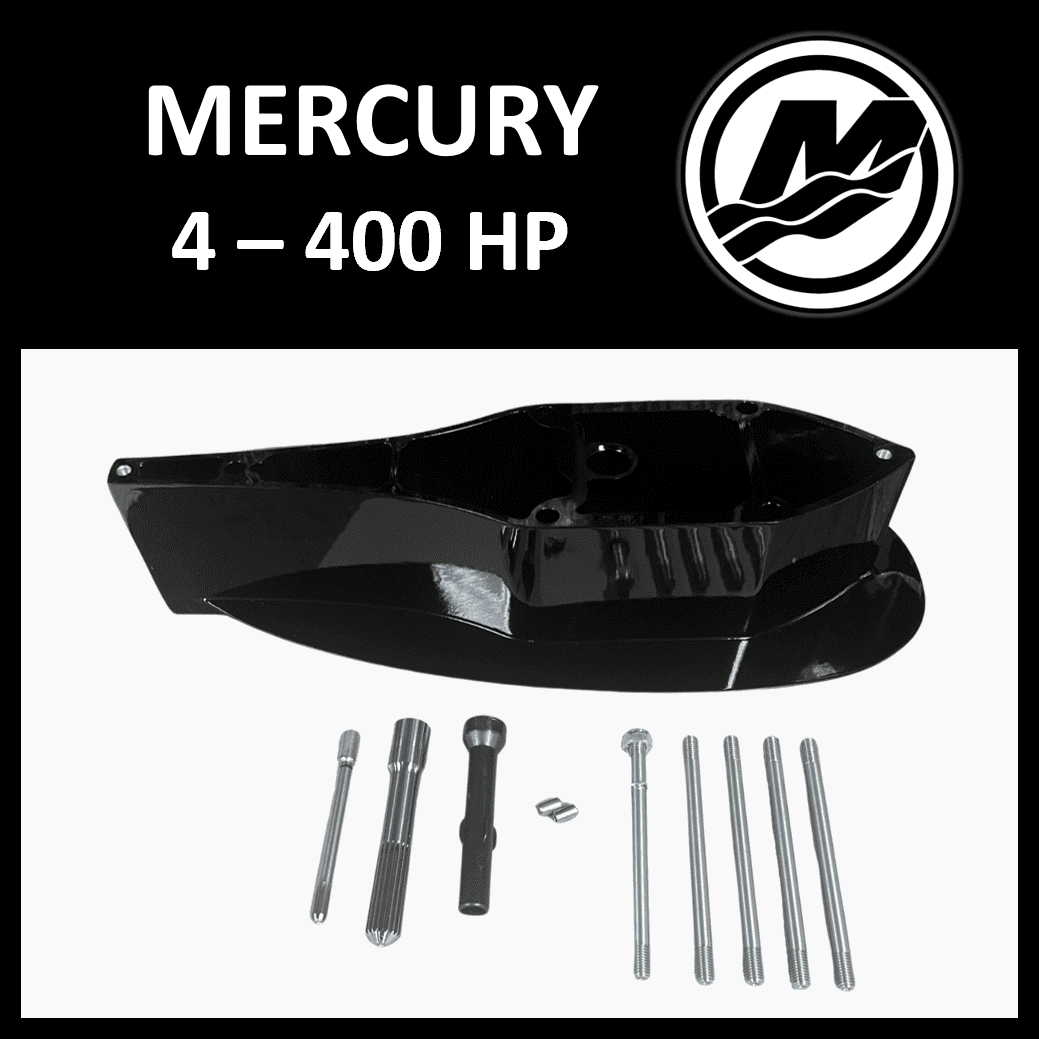
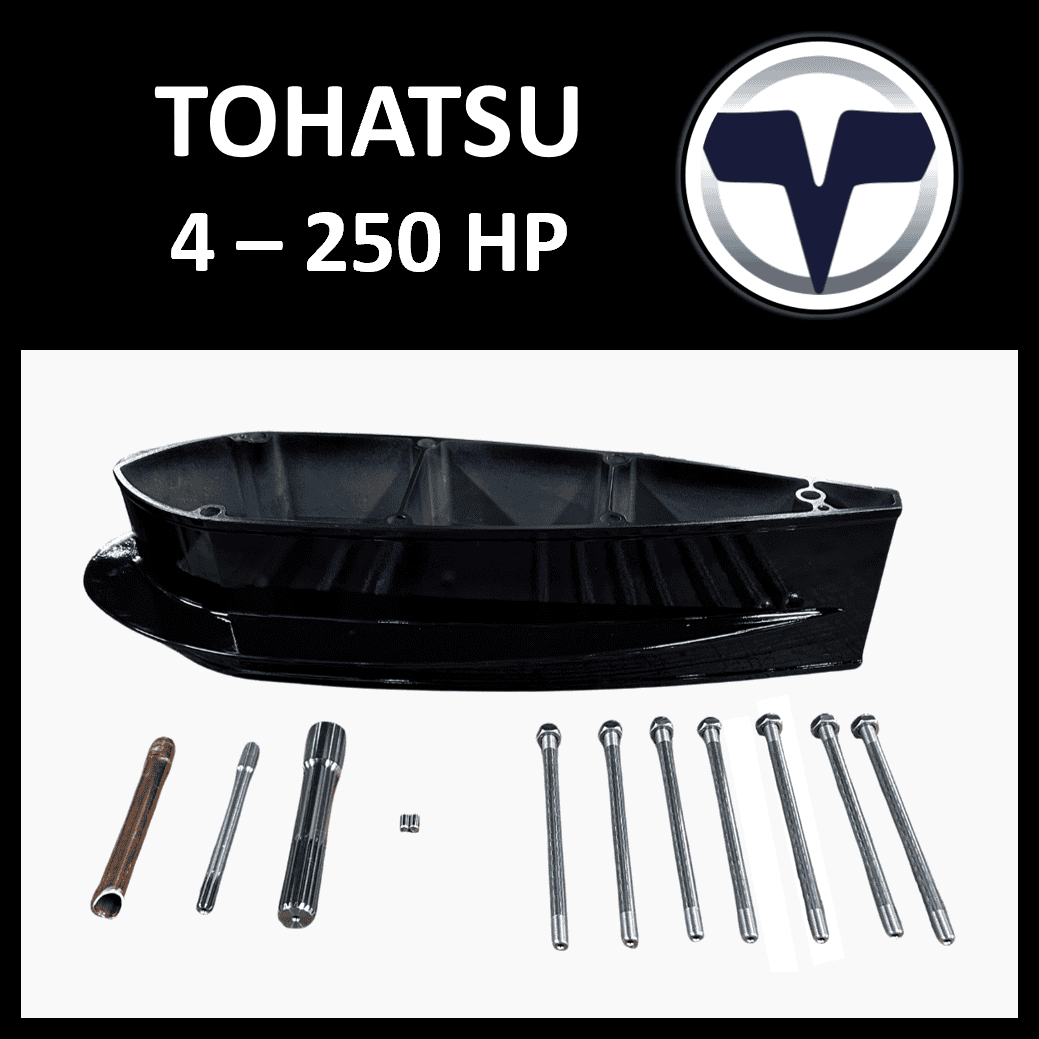
A common culprit behind propulsion problems is often found around the propeller. If you’ve been sailing in areas with debris or fishing activities, it’s possible that the fishing line has become entangled around your prop. This can severely impact the boat’s ability to maneuver and accelerate. Carefully remove any obstructions you find, and consider carrying a spare prop on board in case the damage is too significant for a quick fix. Also, consider installing a cavitation plate.
Lastly, don’t overlook the hydraulic loop. This system plays a key role in your boat’s gear operation. If there are leaks or pressure issues within the hydraulic loop, your ability to shift gears smoothly can be compromised. Regular checks can help you catch and fix these issues before they lead to bigger problems.
Cleaning and Maintenance
Regular cleaning and maintenance are crucial to ensuring your boat’s engine runs smoothly and efficiently.
As a boat owner, it’s vital you don’t neglect the engine box, a hotspot for potential issues. Start by inspecting for any loose connections or signs of wear. A wire brush can be handy for removing corrosion and buildup from metal components, ensuring they remain in good condition.
Make it a habit to apply anti-corrosion products to susceptible areas. This step helps prevent rust and extends the lifespan of your engine’s parts. Remember, keeping up with these simple tasks can save you from costly repairs down the line.
Consulting an engine mechanic periodically can also be beneficial. They’re skilled in identifying issues that you might overlook. Their expertise can ensure everything inside your engine box is functioning optimally. Be proactive about fixing any problems they highlight; delaying could lead to more severe damage.
Ultimately, your diligence in maintaining your boat’s engine will pay off. You’ll enjoy smoother sails and fewer unexpected troubles.
Frequently Asked Questions
What could be wrong with my boat motor?
Your boat motor may be experiencing issues such as running out of gas, which can be resolved by refueling and ensuring your fuel gauge is accurate. If the engine sputters or loses power, it might be due to clogged fuel filters or fouled spark plugs that need cleaning or replacement. An engine that won’t start often signals electrical problems, such as a dead battery or a faulty ignition circuit, requiring checks on the kill switch and starter connections.
Overheating can result from a lack of water flow in the cooling system, which can often be fixed by clearing obstructions and ensuring the impeller is functioning. A motor that stops suddenly might have electrical or fuel issues, necessitating an inspection of fuses and connections. Vibration from the engine prop could indicate damage or entanglement, so check for nicks or debris around the prop. If the engine won’t shift into gear, there may be a problem with the linkage or fluid levels, while a stuck trim could be due to mechanical or hydraulic issues requiring valve adjustment. Regular maintenance and inspections are key to identifying and preventing these common boat motor problems.
What is the life expectancy of a boat engine?
The life expectancy of a boat engine depends on factors such as the type of engine, maintenance practices, usage frequency, and environmental conditions. On average, outboard engines last between 1,500 to 3,000 hours, while inboard engines typically last 2,000 to 5,000 hours.
Proper maintenance, including regular oil changes, flushing after saltwater use, and timely replacement of parts, can extend an engine’s lifespan. Engines used in freshwater environments generally last longer than those in saltwater, due to less corrosion and wear. Additionally, engines that are run frequently and at consistent speeds tend to have a longer lifespan than those that are rarely used or consistently operated at high speeds.
What is the problem with using my boat’s engine?
Using your boat’s engine can present several challenges, including mechanical and electrical issues. Mechanical problems might involve running out of fuel, clogged filters, or fouled spark plugs, causing the engine to sputter or lose power.
Electrical issues, such as a dead battery or faulty ignition circuits, can prevent the engine from starting or cause it to stop suddenly. Overheating may occur due to insufficient water flow in the cooling system, often caused by obstructions or a faulty impeller. Additionally, vibrations could indicate propeller damage, while shifting problems might stem from linkage or fluid issues. Regular maintenance and inspections are crucial to preventing these problems and ensuring your boat engine operates smoothly.
What causes a boat engine to bog down?
A boat engine can bog down due to various factors, often related to fuel and air supply issues. Common causes include a clogged fuel filter that restricts fuel flow, a dirty or faulty carburetor that disrupts the air-fuel mixture needed for proper combustion, and air intake blockages like clogged air filters that prevent sufficient air from reaching the engine.
Other potential issues include fouled spark plugs, water in the fuel, or a failing fuel pump, all of which can lead to a loss of power and cause the engine to bog down. Regular maintenance, such as cleaning or replacing filters and spark plugs, is essential to prevent these problems and ensure the engine operates smoothly.
Conclusion
Regular maintenance is crucial to keep your boat’s engine in top shape and prevent costly repairs, whether they are DIY or done by professionals. By adhering to a disciplined engine maintenance schedule, you ensure not only the reliability of your boat but also enhance its overall engine performance. Remember, addressing boat engine problems early can save you from bigger headaches down the line.
To effectively avoid and fix issues, familiarize yourself with the basics of troubleshooting. This knowledge empowers you to quickly identify and respond to mechanical issues before they escalate. Don’t underestimate the importance of preventive measures; they’re your first line of defense against potential failures. Regular checks and timely interventions keep you ahead of any significant malfunctions.
In your journey to maintain and improve your boat’s engine, always prioritize quality in both the parts you use and the service providers you select. Quality parts may cost more upfront but typically offer better performance and durability, reducing the likelihood of recurring problems.
cta_section
