










Key Takeaways:
- Understanding outboard motor basics and regular maintenance is essential for optimal performance.
- Selecting the right propeller and adjusting trim can significantly enhance speed, efficiency, and handling.
- Regular servicing and replacing worn parts improve efficiency and durability.
- Ensure upgrades comply with regulations and do not compromise safety.
Whether you’re a seasoned boater looking to enhance your engine’s performance or a novice trying to squeeze more power from your outboard motor, upgrading can be a game-changer. You’re constantly striving for more speed, better efficiency, and increased reliability.
But with a multitude of possible upgrades, how do you know which ones will yield the best results? In the world of outboard motors, knowledge is power. Let’s explore some of the most effective performance upgrades and how they can turn your ordinary outboard motor into a high-performance machine.
Understanding Outboard Motor Basics
Before diving into performance upgrades, it’s crucial that you get a firm grasp on the fundamentals of outboard motors, or motor boat parts in general. You’ve also got to understand the basics of an outboard engine parts, often referred to as a marine engine. It’s the powerhouse that boosts your boat’s speed, dictating how efficiently your boat accelerates.
An outboard motor’s performance leans heavily on its horsepower and engine efficiency. The horsepower of outboards refers to the power that the engine can produce. The higher the horsepower, the more powerful your motor. Engine efficiency, on the other hand, is about how well your motor converts fuel into power. A more efficient engine will give you more bang for your buck when it comes to fuel.
The fuel system and propeller pitch also play significant roles in how well an outboard motor performs. Your fuel system needs to be in top shape to ensure a steady supply of fuel to your engine. Meanwhile, the propeller pitch influences how fast your boat moves through the water.
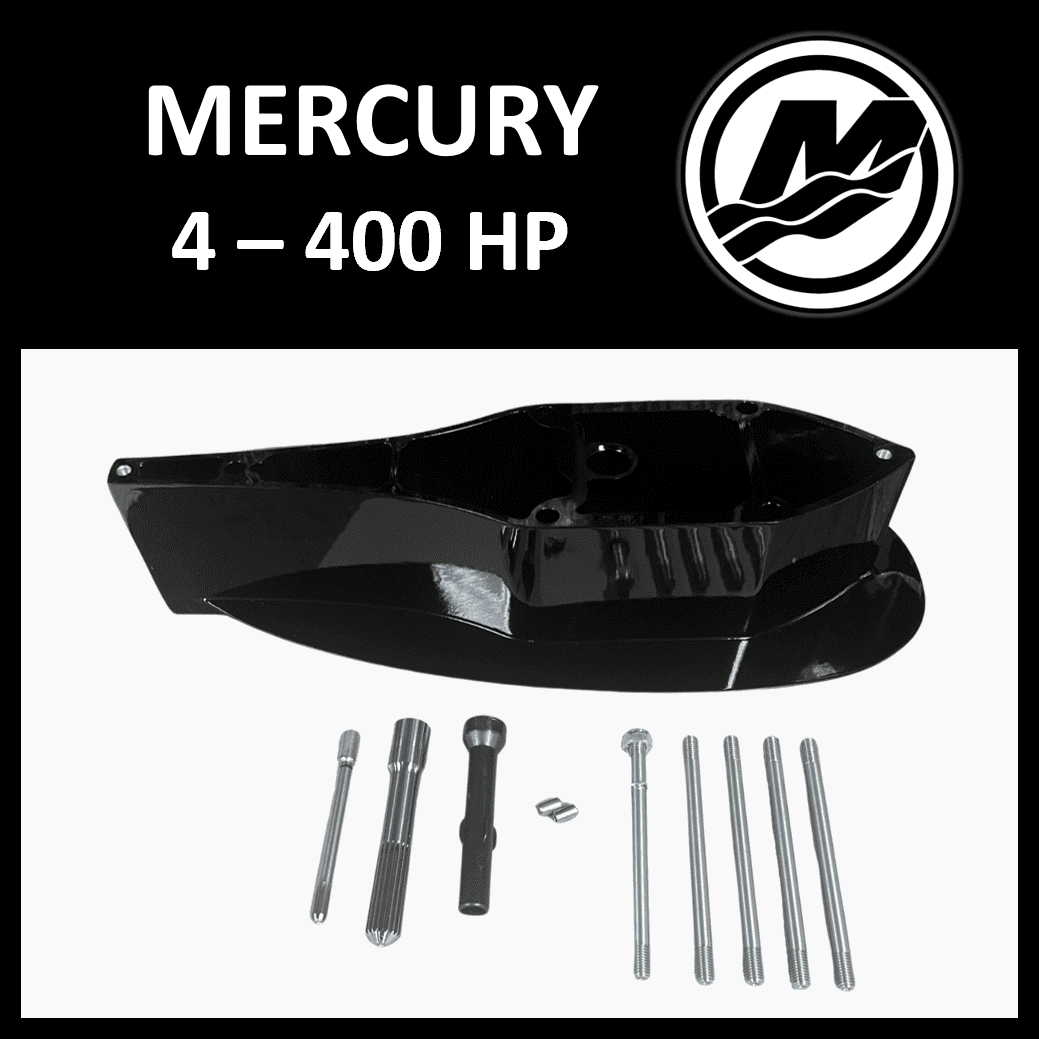
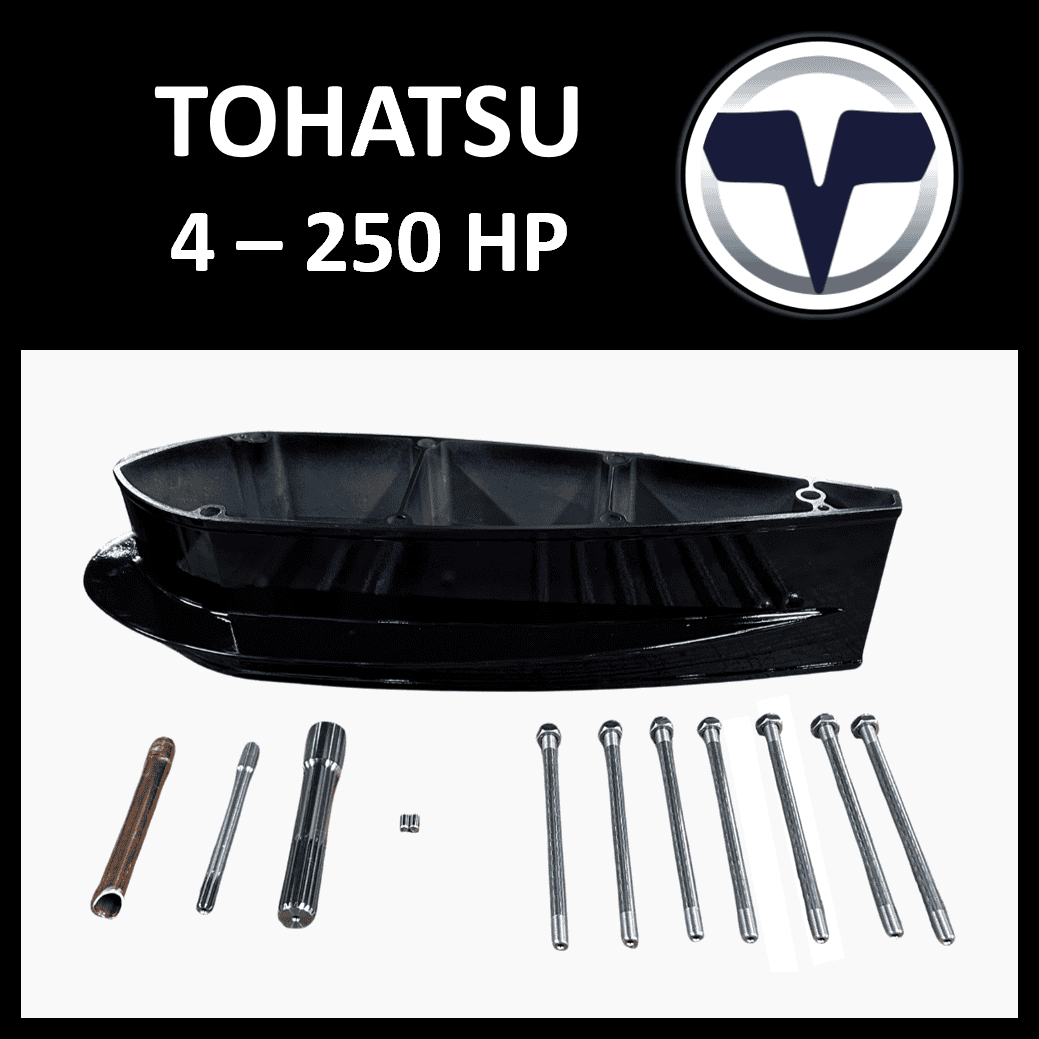
The cavitation plate acts as a propeller shield protecting it from propeller cavitation, or the formation of vapor cavities in a liquid.
Understanding these basics will set the stage for a successful performance upgrade for your outboard motor.

Common Performance Issues in Outboard Motors
Now that you’ve got a handle on the basics of outboard motors, let’s tackle some common performance issues you might encounter with these engines. Understanding these issues is essential if you’re aiming for peak performance and looking to increase horsepower in your outboard engines.
Dirty fuel filters are a common performance issue. They can restrict fuel flow to your engine, causing it to run poorly or not start at all. Regularly check and change your fuel filters to maintain optimal engine performance.
Another issue you might face is an old or improperly tuned motor. These can lead to decreased horsepower and affect your outboard motor performance upgrades. Regular tuning and maintenance are key to keeping your marine engines running smoothly.
Lastly, poor-quality fuel can wreak havoc on your outboard engines. Water or debris in your fuel can cause your engine to run unevenly or stall. Always use clean, high-quality fuel to ensure your motor runs at its best.
Performance Upgrades Overview
After getting a grasp on common performance issues, let’s dive into the exciting world of performance upgrades for your outboard motor. These modifications can significantly improve your boat engine’s performance, making your boating experience more exhilarating.
Firstly, consider your propeller. The right propeller can make a world of difference. It affects your boat’s top speed, acceleration, and fuel efficiency. Upgrading to a propeller that matches your boat’s recommended rpm can enhance its performance.
Next, think about your outboard motor’s performance at full throttle. If it isn’t reaching the top or recommended rpm, an upgrade might be in order. Pay attention to the positive trim. Adjusting the trim can change the boat’s running angle, improving speed and handling.
Keep in mind that performance isn’t just about speed. It’s also about efficiency and longevity. Upgrades that result in better fuel efficiency or reduced wear on your engine are worth considering too.
Power Boosting Upgrades
Ever wondered how to give your outboard motor a serious power boost? Well, power-boosting upgrades can indeed take your boat’s performance to a whole new level. There are a few things you can do to your outboard engines to achieve this, starting with better replacement skegs and outboard extension parts.
Your boat might also be lagging if you have a broken skeg and need to fix it. There are a lot of factors influencing the skeg repair costs but they still should be manageable if you want to achieve better performance.
First, consider upgrading your propellers. High-performance propellers can increase your boat’s speed and rpm. They’re designed to bite into the water more efficiently, giving you a better throttle response and an overall performance boost.
Next, consider upgrading your outboard’s ignition system. A high-performance ignition system can provide a stronger spark, which can help your engines burn fuel more efficiently. This can lead to a noticeable increase in power and speed.
Lastly, regular maintenance is key to maintaining your outboard’s performance. Make sure you regularly change the oil, check the spark plugs, and service your engines. This will help your outboard operate at its peak efficiency and give you that power boost you’re after.

cta_section
Efficiency Improvements
Boosting power isn’t the only way to improve your outboard motor’s performance; optimizing its efficiency can also yield significant benefits. Efficiency improvements are all about making the most of the power your motor generates. As such, you’re not just running your motor harder, but smarter.
Firstly, consider the trim of your outboard motor. This is the angle at which your motor meets the water. Adjusting the trim can result in a more efficient ride, using less power to achieve the same speed. You’ll need to experiment with different trim settings to find the sweet spot for your particular setup.
Regular maintenance is also key to efficient operation. Follow your manufacturer’s guidelines closely and don’t neglect regular servicing. This will ensure your motor is always running at peak efficiency.
Lastly, consider performance upgrades specifically designed for efficiency improvements. These could include modifications to the motor’s air intake, fuel system, or propeller. Just remember, any changes should be in line with your manufacturer’s recommendations.
Upgrading your outboard motor isn’t just about more power, it’s about using that power efficiently. So, consider efficiency improvements as a way to enhance your boating experience.
Durability and Reliability Enhancements
While you’re fine-tuning your outboard motor’s efficiency, don’t overlook the importance of enhancing its durability and reliability. Performance upgrades shouldn’t just focus on speed and power but should also aim to make your motor last longer and run smoother.
Consider the same engine you’ve been using. With each combustion cycle, the temperature inside the engine increases. Over time, this can lead to wear and tear, reducing the motor’s reliability. To combat this, consider replacing certain parts with more durable ones. This not only enhances the motor’s durability but also ensures it runs more efficiently.
Next, turn your attention to the lower units of your outboard motor. These parts are often over propped, meaning they’re working harder than necessary, leading to premature failure. By properly tuning your propeller to match your engine’s capabilities, you can reduce the strain on these units and prolong their life.
Legal and Safety Considerations
Before you dive into upgrading your outboard motor, it’s crucial to understand the legal and safety considerations that come into play. Not all modifications are allowed under law, and certain changes may even compromise your vessel’s safety.
It’s important for boaters to consult with professionals before making any outboard motor performance upgrades. They can guide you through the legal landscape and help you avoid modifications that could land you in hot water. You wouldn’t want to invest time, money, and effort into upgrades that don’t comply with the law, or worse, endanger your safety.
Safety considerations are paramount when you’re working on your outboard motor. Upgrades should enhance your vessel’s performance, not compromise it. It’s recommended to always prioritize safety over speed or power. Non-compliant or unsafe modifications could lead to accidents, legal disputes, or even the loss of your vessel’s warranty.
Choosing the Right Upgrades
Navigating the world of outboard motor upgrades can be tricky, so it’s essential you choose the right enhancements for your specific needs and boat model. It’s not about picking the most expensive or the newest upgrades on the market, it’s about choosing correctly.
If you’re looking to improve speed, consider modifying the top end of your outboard motor. This means adjusting the engine’s RPMs to increase its maximum speed. Remember, though, higher speeds often mean higher fuel consumption, so you’ll need to balance performance with efficiency.
Another performance upgrade to consider involves the weight of your outboard motor. Lighter motors typically offer better performance. If your motor is heavy, you might notice a significant improvement by simply reducing its weight.
Lastly, don’t shy away from asking for professional advice. Experts in the field can offer valuable insights and help you avoid costly mistakes. They can also guide you on how to preserve your outboard motor’s longevity while maximizing its performance.
As you navigate this process, be open to learning. With knowledge and careful consideration, you’ll be able to select the performance upgrades that best suit your needs and your boat.
Frequently Asked Questions
How can I get more horsepower out of my outboard motor?
Increasing the horsepower of an outboard motor involves several practical steps, ranging from straightforward modifications to more complex upgrades. Starting with propeller adjustments can offer immediate improvements in speed and power by optimizing water flow through the engine. Regular engine tune-ups, including cleaning or replacing air intakes and fuel filters, are crucial for maintaining engine efficiency.
For more significant enhancements, installing a high-performance exhaust system can decrease back pressure and enhance airflow, thereby boosting engine power. Additionally, using a jack plate to adjust the engine’s height on the boat can reduce drag and optimize performance. It’s also beneficial to consult with marine mechanics and fellow boaters to gain tailored advice and ensure that modifications are appropriate for your specific engine model and boating conditions.
How can I get more speed out of my outboard motor?
To increase the speed of your outboard motor, consider adjusting the propeller to one with a higher pitch for better top speed, while also tuning the motor’s trim and possibly adding a jack plate to optimize the engine height and angle. This setup can significantly reduce drag and enhance the motor’s performance.
Additionally, reducing excess weight on the boat can lead to quicker acceleration and higher top speeds. Regular maintenance such as checking for propeller condition and ensuring the boat’s hull is streamlined also plays a crucial role. These modifications and careful adjustments can collectively contribute to achieving greater speeds efficiently. Consulting with marine experts can provide tailored advice and ensure that modifications suit your specific boat and motor setup.
How can I make my 2-stroke outboard run better?
To improve the performance of your 2-stroke outboard, consider several adjustments and upgrades. Adding a reed valve can significantly boost horsepower by optimizing the fuel-air mixture flow. Reducing the squish gap between the piston and the combustion chamber’s top can also increase power.
Adjusting the carburetor, inspecting and possibly modifying the exhaust system, and enhancing the intake system are crucial steps. Additionally, porting the cylinder to improve gas and air mixing and adjusting the ignition timing for optimal combustion can lead to notable performance gains. These changes generally enhance the engine’s efficiency and power output without major financial investment.
What makes a boat motor go faster?
To make a boat motor go faster, several strategies can be employed. Upgrading the propeller to one made of a durable material like stainless steel can reduce boat drag and improve speed due to less blade flex under load. Reducing the overall weight of the boat is another effective approach, as less weight means less drag and faster acceleration.
Adjusting the trim of the boat helps optimize the angle of the hull in the water, enhancing speed by reducing the wetted surface area, though care must be taken to avoid over-trimming which can lead to loss of propeller efficiency. Engine modifications such as using a jack plate to adjust engine height or retrofitting with a supercharger can also significantly boost speed, although these might affect the engine’s warranty and longevity. Regular maintenance including a clean hull and a well-tuned engine are essential for maintaining optimal performance. These methods collectively contribute to achieving higher speeds efficiently while balancing the need for durability and safety.
Conclusion
In conclusion, don’t let a sluggish outboard motor ruin your boating experience. Boost its power, enhance its efficiency, and bolster its reliability with the right upgrades.
But remember, keep it legal, keep it safe. Your outboard motor isn’t just a machine; it’s the heart of your boat. Treat it well, and it’ll return the favor, turning every trip into a thrilling, smooth-sailing adventure.
Choose wisely, upgrade smartly, and let the sea be your limitless playground. For everything else, trust our family’s decades of experience.
cta_section
