










Key Takeaways:
- The skeg is crucial for steering control and stability, preventing the boat from sliding sideways and helping maintain a straight path.
- The skeg protects the propeller and lower unit from underwater hazards, contributing to overall performance and safety.
- A damaged skeg can significantly affect performance and safety, necessitating prompt repair or replacement to avoid further issues.
- A skeg guard protects the skeg and propeller from damage caused by rocks, debris, or shallow waters, preventing costly repairs and enhancing overall boat performance.
The boat skeg is a vital component located on the lower unit of a boat motor, playing a crucial role in the vessel’s performance and stability. Its primary function is to improve steering control and prevent the boat from sliding sideways in the water.
If you’re a boating enthusiast or a new boat owner, understanding boat skegs is essential for navigating the waters efficiently.
Understanding the role of a boat skeg goes beyond its mere presence at the stern of a watercraft. Curious to unveil the secrets that lie beneath the surface of this seemingly simple component? Then continue reading to learn more!
Where is the Skeg Relative to the Boat Motor?
The skeg is positioned at the very back of the boat motor’s lower unit, extending downward into the water. It serves as a protective fin for the boat motor, located at the stern of the vessel. In the case of an outboard motor, the skeg is one of the integral parts of a motorboat in the lower unit.
This placement is crucial for maintaining stability and control while steering the boat. When you steer the boat using the steering wheel or tiller, the skeg plays a significant role in keeping the boat on course. It helps to prevent the boat from sliding in the water and aids in maintaining a straight path.
Additionally, the skeg helps to protect the propeller and the lower unit of the boat motor from damage by acting as a barrier against underwater hazards. Understanding the skeg’s location relative to the boat motor is essential for grasping its function in enhancing the overall performance of the watercraft.

What Does the Skeg Do?
Positioned at the very back of the boat motor’s lower unit, the skeg serves multiple important functions while out on the water. The skeg provides protection to the propeller and helps prevent damage caused by debris or shallow waters.
Additionally, it plays a crucial role in enhancing the boat’s directional stability by acting as a rudder does for steering. By extending downward from the keel, the skeg helps the boat maintain a straighter course and resist being pushed off track by water currents or wind. This is especially important for larger vessels that need extra assistance in staying on course.
The skeg also works in conjunction with the rudder to improve overall maneuverability, making it easier for you to navigate through different water conditions. Overall, the skeg is a vital component of your boat’s performance, ensuring both protection and improved handling while out on the water.
cta_section
What Happens if You Have a Broken Skeg?
Having a broken skeg on your boat can significantly impact its performance and safety on the water. A damaged skeg can lead to difficulties in steering and controlling your vessel, especially in rough waters or when trying to navigate through tight spaces. If you find yourself with a broken skeg, it’s essential to address the issue promptly to avoid further damage or safety risks.
Wondering how much does it cost to fix a broken skeg? Repairing a broken skeg can be a costly process, depending on the extent of the damage. In some cases, minor repairs may be possible, such as patching up small cracks or reinforcing weakened areas. However, if the skeg is severely damaged or broken beyond repair, you may need to opt for a replacement skeg. This replacement can involve additional expenses for the new part and labor costs for installation.
Ignoring the repairing of a broken skeg can result in more significant problems down the line, affecting not only your boat’s performance but also potentially leading to safety hazards on the water. Therefore, it’s crucial to address any issues and skeg repairs with your boat’s skeg promptly to ensure smooth sailing and safe navigation.
What is a Skeg Guard?
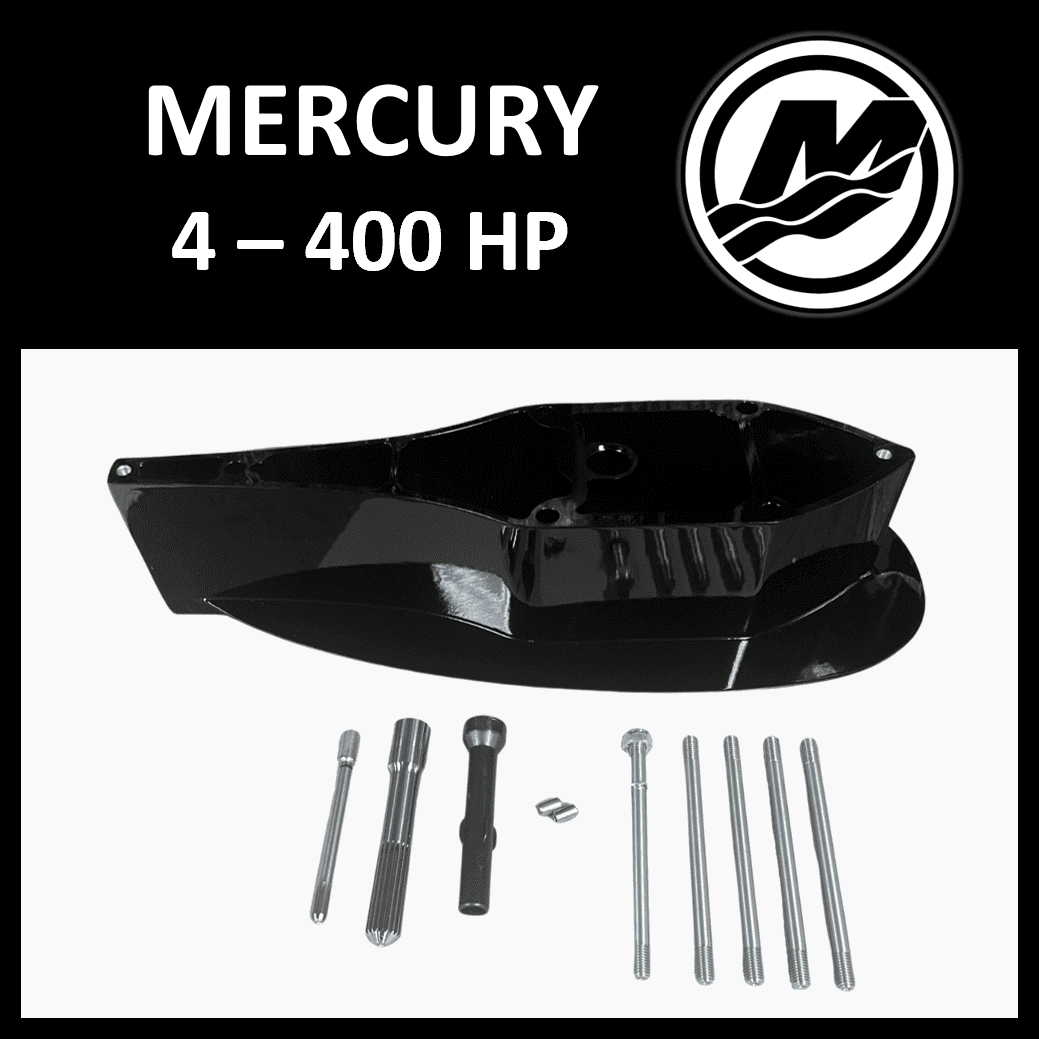
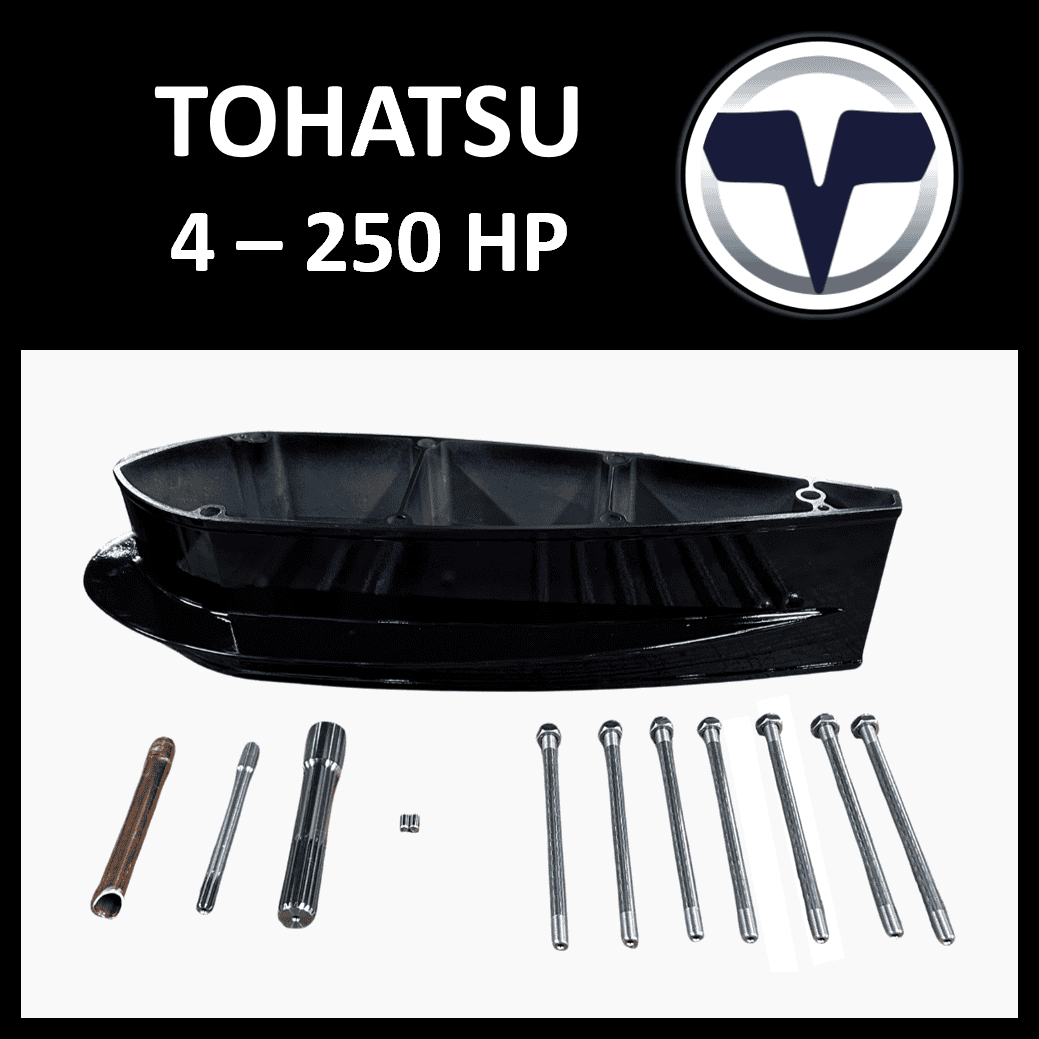
When dealing with a broken skeg on your boat, it’s important to consider the option of using a Skeg Guard for added protection and performance enhancement. A skeg guard is a protective shield made of durable materials like stainless steel or aluminum that attaches to the lower unit of your outboard motor. Its primary function is to safeguard the skeg, propeller, and even the keels from damage that can occur due to impacts with rocks, debris, or shallow waters.
For boat owners, investing in a skeg guard can prevent costly repairs and downtime caused by skeg or propeller damage. By adding this extra layer of protection, you can navigate with more confidence in various water conditions.
Skeg guards are especially beneficial for those who frequent areas with shallow waters or rocky bottoms. They not only protect your equipment but also enhance the overall performance of your boat, ensuring smoother rides and improved maneuverability. So, if you want to safeguard your skeg and prop, a skeg guard is a worthwhile addition to your boat.
Remember, skeg replacements and skeg guards aren’t the only parts that you can get from Bay MFG. We also have a premium selection of individual outboard extension parts like drive shafts, shift shafts, and water tubes.

Frequently Asked Questions
Does a broken skeg affect performance?
Yes, a broken skeg can adversely affect performance. According to Boating Mag, the skeg of an outboard or sterndrive gear case provides much directional stability and steering ease. When it is broken or damaged, possibly by running aground or due to some land-bound calamity, it can negatively impact handling.
What does a skeg do for a boat?
A skeg on a boat is an aftward extension of the keel intended to keep the boat moving straight and to protect the propeller and rudder from underwater obstructions. It plays a crucial role in ensuring the boat steers straight and true when underway and helps protect the propeller from damage.
You can also improve the boat’s performance with our entire outboard long shaft extension kits. We have more than 70 conversion kits across 7 different outboard motor brands. Our conversion kits are famous – for a reason. We have plenty of customer reviews that attest to our expertise.
Can you run a boat without a skeg?
Yes, it is possible to operate a boat without a skeg. While the skeg serves important functions such as protecting the propeller and aiding in directional stability, some old outboard motors and especially trolling motors do not have skegs. However, the absence of a skeg might affect the boat’s steering and directional stability, especially at higher speeds or in specific conditions.
What are the benefits of a skeg?
Skegs serve multiple important functions for boats and kayaks, primarily enhancing stability and directional control, especially in challenging conditions or choppy waters. By extending from the hull, they effectively reduce drift and help maintain a straighter path, making navigation and control more manageable.
Additionally, skegs contribute to the vessel’s overall safety by providing added protection against underwater impacts, thereby preventing damage to the lower parts of the boat or kayak. This combination of stability, control, and protection makes skegs a valuable feature for enhancing the performance and safety of watercraft.
Conclusion
So, next time you’re out on the water, remember that the boat skeg is like the rudder of a ship, guiding you smoothly through the waves.
Just like a compass points north, the skeg keeps you on course.
And if you ever find yourself with a broken skeg, don’t worry – a skeg guard can help protect your boat and keep you sailing smoothly. Please don’t hesitate to contact us for skeg replacement parts.
cta_section
