










Key Takeaways:
- DIY boat repairs can be cost-effective and rewarding if you have the right tools and knowledge, particularly for tasks like fixing fiberglass damage.
- Professional boat repairs offer expertise and peace of mind for complex issues, often preventing costly mistakes and ensuring the job is done correctly.
- Creating a detailed boat repair plan and prioritizing tasks based on urgency and budget can help manage repairs efficiently and prevent small issues from becoming major problems.
- Safety should be a top priority in both DIY and professional boat repairs, with professionals providing added assurance through their expertise and insurance coverage.
When faced with boat repairs, deciding between DIY and professional services can be challenging. You might consider your skill level, budget, and the complexity of the repairs needed. DIY repairs can be rewarding and cost-effective if you have the right tools and knowledge. However, for more intricate tasks (such as skeg repair and replacement, for example), professional services offer expertise and peace of mind. Before making a choice, think about the potential risks and benefits of each option. How do these factors influence your decision, and what should you prioritize to ensure your boat remains safe and seaworthy?
DIY Boat Repair
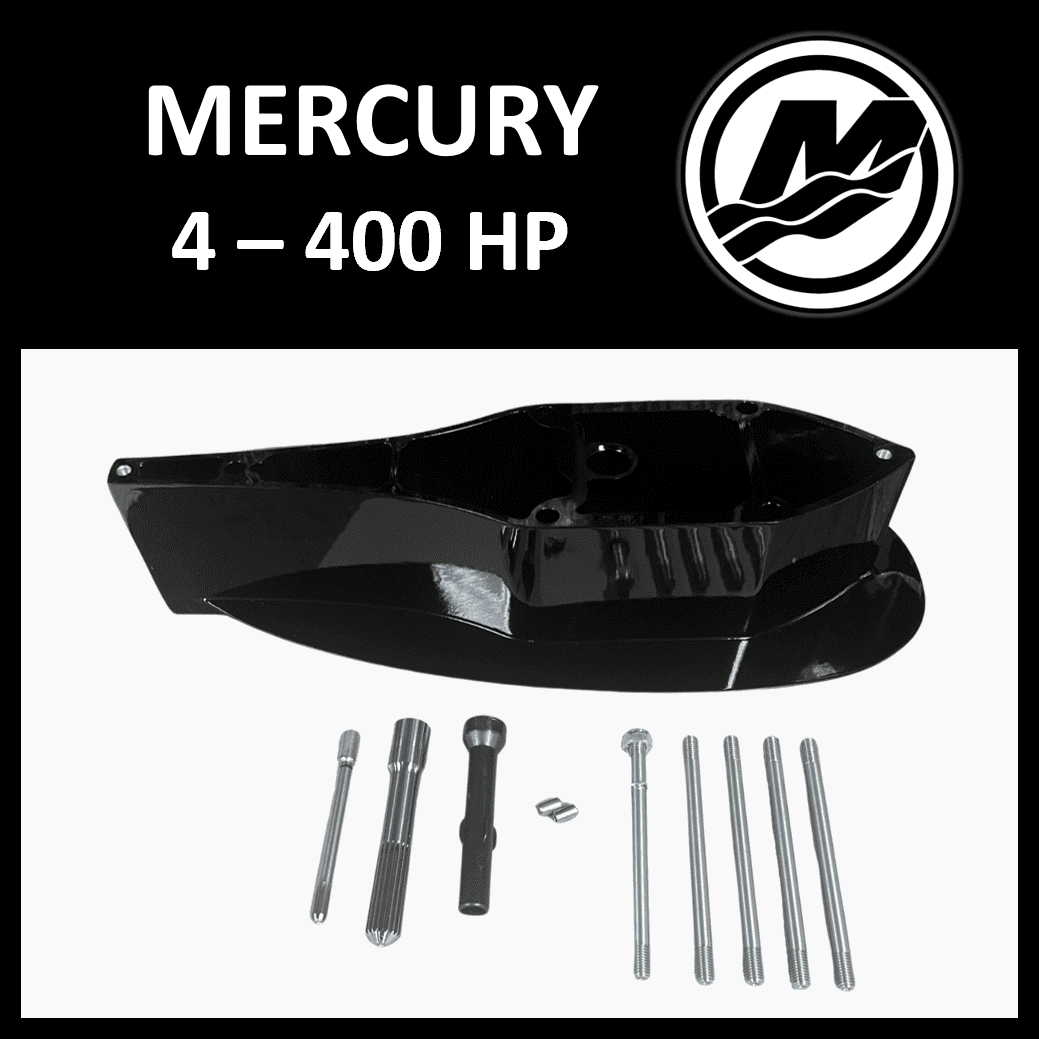
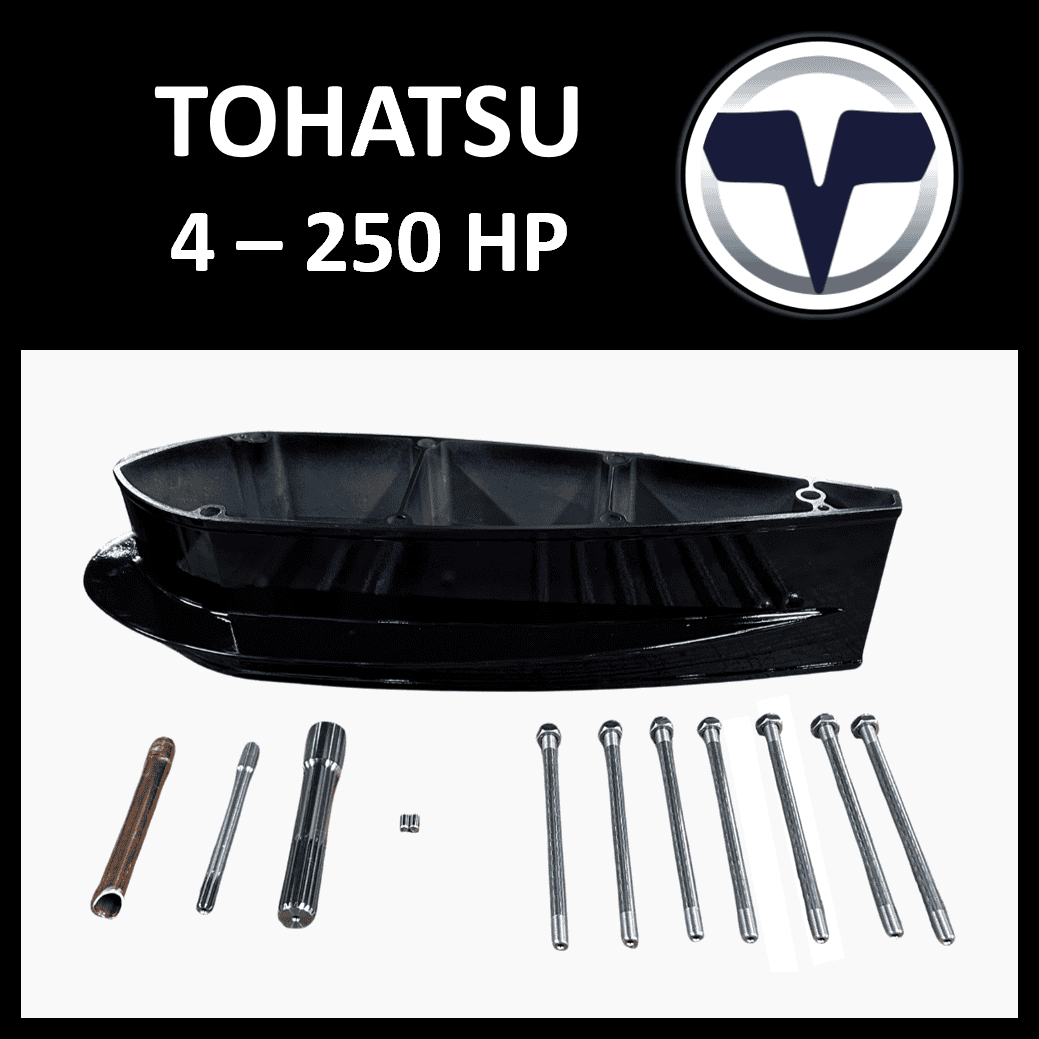
If you’re handy with tools and enjoy tackling projects, DIY boat repair can be both rewarding and cost-effective. Instead of paying hefty fees to professionals, you can handle many repairs on your own boat with the right tools and materials. Not just repairs – you can also install outboard motor extension parts on your own.
One common issue you’ll encounter is fiberglass damage. For this, a fiberglass repair kit is essential. These kits usually come with everything you need to fix a damaged area, including resin, hardener, and fiberglass cloth.
Before you dive into DIY repairs, make sure you thoroughly assess the damaged area. Knowing the extent of the damage helps you gather the necessary materials and plan the repair process effectively. It’s crucial to follow the instructions provided in the fiberglass repair kit to ensure a durable and long-lasting fix.
There are also some preventive measures and accessories you can get to minimize the potential damage. Like a skeg guard that would protect your boat skeg from damage by rocks, debris or shallow waters.
Professional Boat Repair
Opting for professional boat repair ensures you get expert craftsmanship and peace of mind, especially for complex or critical issues. When you seek professional help, you’re tapping into years of experience and specialized knowledge that can save you from costly mistakes.
As a boat owner, you might find that some repairs are beyond your expertise. Major repairs often require advanced tools and skills that only professionals possess. For instance, hull repairs or engine overhauls are tasks where professional help is invaluable.
The cost of hiring experts may seem high initially, but it’s often more economical in the long run. Proper repairs done right the first time avoid the need for repeat work and additional expenses.
Labor costs in professional boat repair cover not just the manual work but also the diagnostic expertise that ensures issues are correctly identified and resolved. This can be a significant advantage over attempting to fix problems yourself, where misdiagnosis can lead to further damage.

Make A Boat Repair Plan
Creating a boat repair plan ensures you’re organized and ready to tackle any issues efficiently. Start by listing all the areas that require attention, such as the hull, engine, and surface. Regular maintenance should be a part of your plan to prevent small problems from becoming big ones.
In the DIY vs professional boat repair debate, knowing when to tackle repairs yourself and when to call in a professional is crucial. For minor fixes like surface scratches or small leaks, DIY can be cost-effective and straightforward. However, for major repairs, especially those involving the hull or complex systems, hiring a professional is often the best course of action.
Document each task in your repair plan, noting whether it’s a DIY job or requires professional help. This will keep you on track and ensure no critical repairs are overlooked. Include a timeline for each task to stay organized and efficient. Regular maintenance, like checking for hull integrity and surface wear, should be scheduled to avoid unexpected issues.
Prioritize Boat Repairs Based On Your Budget
Allocating your budget wisely is essential to ensure that the most critical boat repairs are addressed first. Start by assessing the condition of your boat and identifying which repairs are urgent. Safety-related issues should always take priority.
If you find yourself dealing with an expensive repair, consider whether it’s best handled by a professional. Certain tasks, like engine repairs or electrical work, often require specialized skills and may end up costing more if attempted as a DIY job and done incorrectly.
Next, look at the maintenance tasks you can manage yourself. Routine upkeep, such as cleaning, painting, and minor fixes, can save you a significant amount of money. However, make sure you’re honest about your skills and the time you can commit to these tasks.
It’s also crucial to set a realistic budget and stick to it. Allocate funds to cover both professional and DIY job costs. This way, you avoid overspending and ensure your boat remains seaworthy.
Set Your Launch Date Early
Why should you set your launch date early?
Setting your launch date early gives you, as boat owners, a clear timeline to work with, ensuring that every aspect of your repair project gets the attention it deserves. Whether you’re tackling a DIY repair or hiring a professional, having a firm deadline helps you properly plan and allocate your time effectively.
When you set an early launch date, you create a roadmap for your repair tasks. This allows you to start each task with a clear understanding of what needs to be accomplished and when. If you’re doing the repairs yourself, this timeline is crucial for sourcing materials, learning necessary skills, and managing unexpected issues. For professional repairs, an early launch date helps ensure that the pros can fit your project into their busy schedules and complete it on time.
Moreover, starting your repair project early gives you the flexibility to address any unforeseen complications without rushing. Boat repairs, whether minor or major, often come with unexpected challenges. An early start ensures that you have the buffer time to handle these hiccups and still meet your launch date, ready to hit the water without stress.
cta_section
Adapt to Your Boat’s Needs
Understanding your boat’s specific needs is crucial for ensuring successful and lasting repairs. Every boat is unique, and whether you tackle repairs yourself or hire a professional, you need to adapt to your boat’s type, material and type of damage. For instance, if your boat’s gel coat is scratched or chipped, a professional repair might be more effective in achieving a flawless finish. Some boat repair tasks depend on type of motor you have, outboard vs inboard, for example.
Fiberglass boats, in particular, require specialized knowledge. Repairing fiberglass damage yourself is possible, but it can be tricky and time-consuming. You need to understand the intricacies of fiberglass to properly maintain the boat’s structural integrity. Mistakes can lead to more extensive damage, which mightn’t be covered by insurance.
Deciding between DIY and professional repair often comes down to the nature of the problem and your skill level. Small repairs like minor gel coat touch-ups might be manageable on your own. However, for more significant damage, hiring a professional ensures the job is done correctly and lasts longer.
Although the price of professional services might seem high initially, the long-term benefits often outweigh the costs. Always consider your boat’s needs first to keep it in top condition.
Cost Comparison: DIY vs. Professional Repair
Comparing the costs of DIY versus professional boat repair can help you make an informed decision that balances your budget and the quality of work.
When you choose DIY repairs, you might save on labor costs, but you need to account for the cost of materials and tools. Prices for these can add up, especially if you’re dealing with specialized parts. Before starting any repair, it’s wise to estimate your total expenses, including potential unforeseen costs.
On the other hand, hiring a professional mechanic can be more expensive upfront due to labor charges. Professional services often come with a higher price tag because you’re paying for the mechanic’s expertise and the assurance of a job done right. However, this could save you money in the long run by avoiding repeat repairs or additional damage caused by incorrect DIY fixes.
When you compare the two options, consider both the immediate and long-term costs.
While DIY might seem cheaper initially, professional repairs might offer better value, especially for complex issues. Weighing these factors will help you decide whether to tackle the repair yourself or invest in professional services.
Safety Considerations
Prioritizing safety is crucial whether you’re tackling a DIY boat repair or hiring a professional. When repairing your boat yourself, understanding the essential safety considerations can prevent accidents and costly mistakes. You need to be familiar with the boat’s components and ensure that all tools and materials are used correctly. Lacking this understanding can lead to serious injuries or further damage to the boat.
On the other hand, professional boat repair services employ skilled employees who are well-versed in safety protocols. These professionals manage repairs with precision, reducing the risk of any safety mishaps. They have the necessary training and equipment to handle complex repairs safely, which can be a significant advantage if you’re not confident in your skills.
Additionally, professionals often carry insurance, offering you an extra layer of protection. If a mistake happens during the repair, their insurance can cover the damages, whereas a DIY error could end up costing you more.
Make sure to weigh these safety considerations carefully when deciding whether to go the DIY route or hire a professional. Your safety and the boat’s integrity should always come first.

Frequently Asked Questions
Is it worth repairing a boat?
Whether it is worth repairing a boat depends on several key factors, including the age and condition of the boat, the cost of repairs, and your personal attachment to it. If the boat is relatively new and has been well-maintained, repairing it can be a worthwhile investment that extends its lifespan and potentially increases its resale value.
Regular maintenance and timely repairs can also enhance safety, reducing the risk of mechanical failures that could lead to accidents. However, if the boat is very old, has significant structural damage, or requires frequent and costly repairs, it might be more practical to consider purchasing a new boat. Ultimately, the decision should take into account the practicality of the repairs, their cost, and any sentimental value you may have attached to the boat.
What is the best way to fix a hole in a fiberglass boat?
The best way to fix a hole in a fiberglass boat involves several key steps to ensure a durable and effective repair. First, assess the damage by examining the hole and any surrounding cracks, then clean and sand the area to remove any loose or damaged material. For small holes, use a Dremel tool to smooth the edges and then mix an epoxy resin and hardener, applying it with a spatula to fill the hole.
For larger holes, cut out a patch from fiberglass cloth that is slightly larger than the hole, apply epoxy resin to the patch, and place it over the hole, ensuring it adheres well and is free of air bubbles. Allow the epoxy to cure completely before sanding the patched area smooth and applying a gelcoat to match the boat’s surface. Finally, sand the gelcoat to blend it with the surrounding area and apply a marine-grade primer and paint for a seamless finish.
Can I repaint my boat myself?
Yes, you can repaint your boat yourself, and it can be a rewarding DIY project if you follow the right steps and use appropriate materials. The process begins with thorough preparation, including cleaning, de-waxing, and sanding the boat’s surface to remove any old paint and ensure a smooth base. After the surface is ready, apply a primer to enhance the paint’s adhesion and durability. Once the primer is dry, you can start painting, typically using marine-grade paint for its resistance to harsh marine conditions.
It’s important to apply multiple coats, allowing each to dry completely and lightly sanding between coats to achieve a smooth finish. Patience and attention to detail are crucial throughout this process to ensure a professional-looking result. Finally, after the paint has cured, consider applying a protective wax to prolong the life of your new paint job. Proper safety gear and following manufacturer instructions for each product used will help ensure success.
What is the best epoxy for fiberglass repairs?
The best epoxy for fiberglass repairs is often considered to be marine-grade epoxy due to its superior strength, durability, and water resistance. Top choices include the West System 105-B Epoxy Resin, which is renowned for its strong adhesion properties and clear finish, making it suitable for both structural and cosmetic repairs.
Another highly recommended option is the TotalBoat High-Performance Epoxy Kit, which provides a comprehensive solution with a low-viscosity formula that works well for filling gaps and repairing fiberglass. Additionally, J-B Weld MarineWeld Marine Epoxy is specifically designed for marine environments, offering water-resistant properties ideal for underwater repairs. Each of these epoxies offers unique benefits, so selecting the best one depends on the specific requirements of your repair project.
Conclusion
Ultimately, choosing between DIY and professional boat repair depends on your skill level, budget, and safety considerations. If you’re confident in your abilities and have the necessary tools, tackling some repairs on your own can save money and offer a sense of accomplishment.
However, not all issues are straightforward. Some can be quite tricky, requiring specialized knowledge and equipment.
For complex problems, it’s often wiser to hire professionals. They ensure your vessel is repaired correctly and safely, reducing the risk of future issues. While it might seem like a compromise on immediate cost, professional repairs can save you from expensive fixes down the line.
Think about the process involved in each repair. If it’s a simple task, like fixing a minor leak or replacing a worn-out part, DIY might be the way to go. But if the repair involves critical systems, such as the engine or electrical components, you’ll want the peace of mind that comes from having it handled by experts.
cta_section
