










Key Takeaways :
- Cavitation plates are mounted on the lower unit above the propeller to manage water flow, maintaining constant pressure and preventing harmful bubbles.
- Cavitation plates increase boat efficiency, improve handling, extend propeller life, reduce drag, and enhance stability.
- Mount the plate directly onto the boat’s lower unit, level with the boat’s bottom. Regular maintenance, including checking for damage and cleaning, ensures optimal performance.
- Cavitation plates are effective in various industries, improving fuel efficiency in high-speed ferries and reducing turbine damage in hydroelectric power plants.
Like a knight’s shield in a medieval joust, a cavitation plate protects your boat’s propeller, but from what? You’ve probably heard of it, but do you really know what a cavitation plate is and what it does?
It’s more than just a piece of metal attached to the lower unit of your outboard motor.It plays a vital role in your boat’s performance and efficiency.Stick around, and you’ll discover what makes this seemingly mundane component a true unsung hero of the nautical world.
The Basics of Cavitation
Understanding cavitation, a key concept in the operation of cavitation plates, is simpler than you might think. Essentially, propeller cavitation is the formation of vapor cavities in a liquid. It occurs when the pressure within the liquid drops below its vapor pressure, causing bubbles to form. These bubbles can cause significant damage when they collapse, releasing energy that can damage materials and decrease performance.
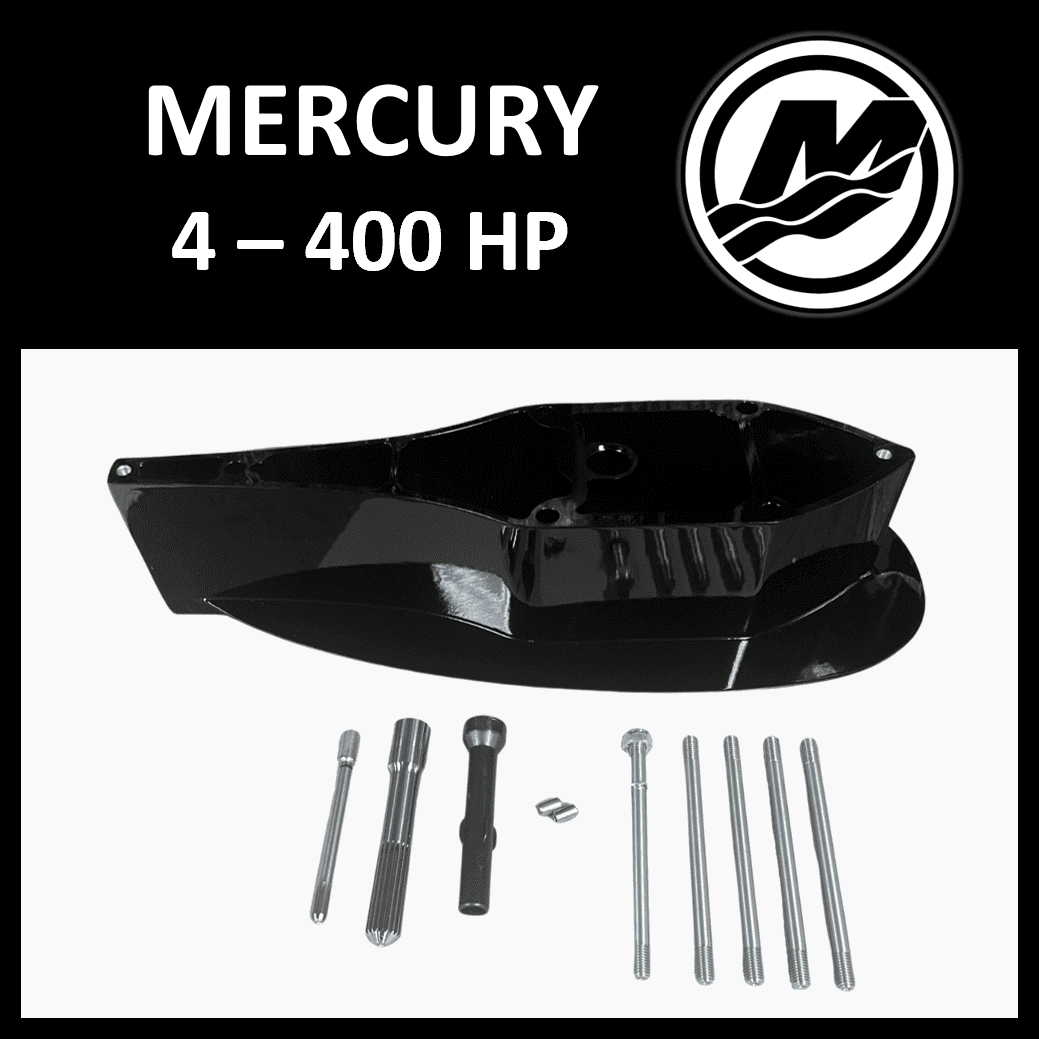
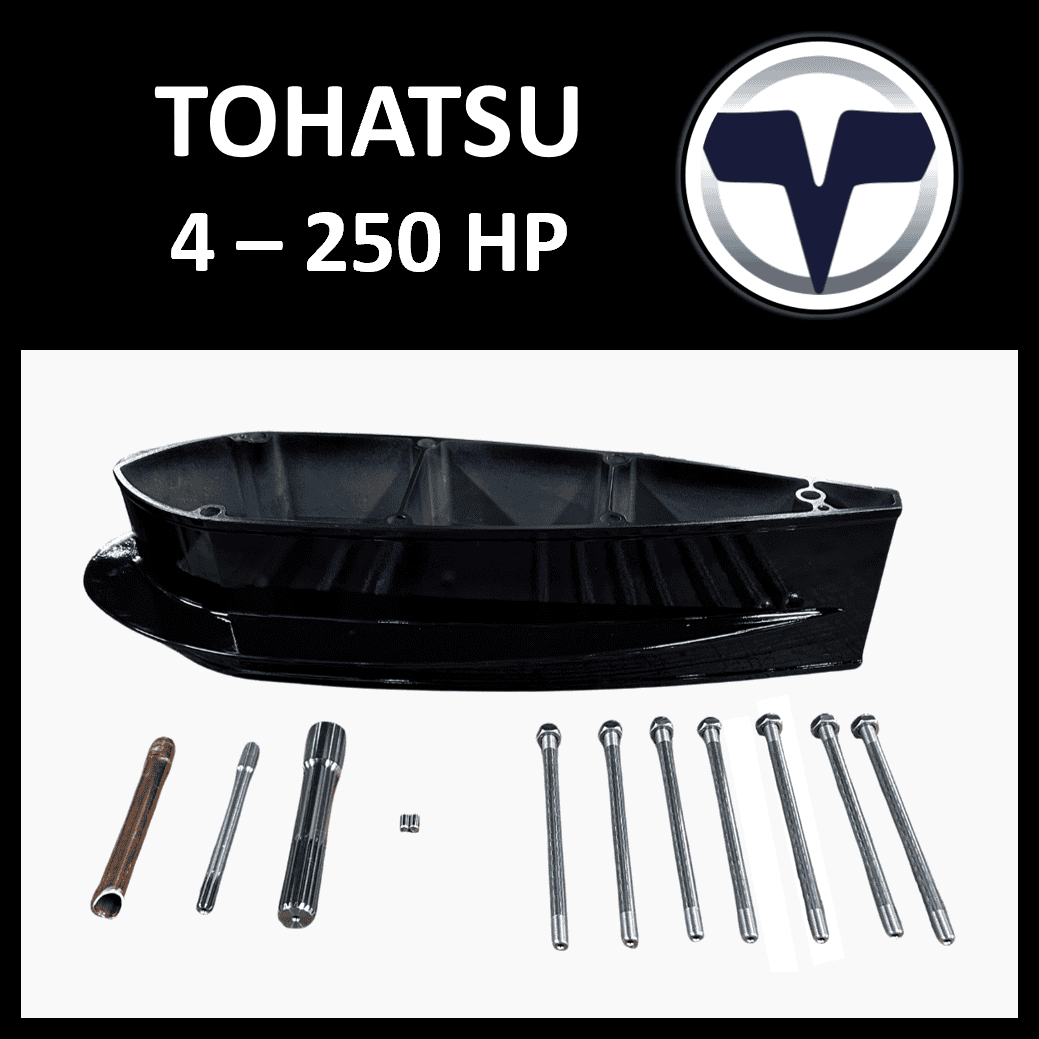
A cavitation plate plays a crucial role in reducing cavitation. It’s a flat plate attached to the lower unit of your boat’s outdrive, right above the propeller. Its job is to manage the water flow in such a way that it prevents those harmful bubbles from forming. You can think of it as a shield, protecting your propulsion system from the damaging effects of cavitation.

Design and Function of Cavitation Plates
Let’s dive into the design and function of cavitation plates, integral components of your boat’s propulsion system designed to keep it running smoothly and efficiently. Cavitation plates are usually flat, thin plates made of stainless steel or aluminum. They’re mounted on the lower unit of your boat’s outboard or stern drive, right above the propeller.
The function of the cavitation plate is to decrease the occurrence of cavitation, a phenomenon where vapor bubbles form in water due to a drop in pressure. This happens when your boat’s propeller spins quickly, creating a low-pressure area. These bubbles can negatively affect your boat’s performance and potentially cause damage.
Your cavitation plate works by directing water flow straight into the propeller, helping to maintain constant pressure and minimize the formation of those harmful bubbles. It also lifts your boat slightly, reducing drag and increasing speed.
In essence, the design of the cavitation plate is simple, yet its function is vital. It’s a boat component you mightn’t often think about, but without it, you’d notice a significant drop in your boat’s performance. So, always ensure your cavitation plate is in good condition and properly adjusted for optimal functioning.
Benefits of Using Cavitation Plates
Now, consider the numerous benefits of using cavitation plates in your boat’s propulsion system. First and foremost, cavitation plates increase the efficiency of your boat. They help to reduce the drag that naturally occurs when your boat moves through the water, allowing your boat to go faster with less effort and fuel.
The benefits of using cavitation plates also extend to the handling of your boat. Cavitation plates make your boat more stable and easier to control, especially at high speeds or in rough waters. This enhanced control allows you to navigate more effectively and safely, boosting your confidence while steering your vessel.
Additionally, cavitation plates help to protect your propeller. They prevent bubbles caused by cavitation from reaching your prop, thereby reducing wear and tear. This can considerably extend the lifespan of your propeller, saving you significant replacement costs in the long run.
In short, the benefits of using cavitation plates are immense – from improving your boat’s efficiency and handling to protecting your propeller. So, if you’re looking for a way to enhance your boating experience, consider adding cavitation plates to your vessel’s propulsion system.
Installation and Maintenance
Installing and maintaining cavitation plates on your boat’s propulsion system is a straightforward process that can significantly enhance your boating experience. If you’ve been asking yourself, ‘what is a cavitation plate?’ and now you’re ready to take the plunge, here’s what you need to know about installation and maintenance.
Installation typically involves mounting the cavitation plate directly onto your boat’s lower unit, positioned just above the propeller. It’s essential to ensure it’s level with your boat’s bottom for optimum performance.
While you can manage the installation yourself with a standard toolkit, you might prefer to get in touch with professionals to handle it to guarantee proper placement.
Maintenance, on the other hand, is a breeze. Regularly check the cavitation plate for any signs of damage or wear. If you notice anything unusual, it’s best to get it repaired or replaced promptly. Cleaning the cavitation plate is also part of its upkeep. Use a mild detergent and a soft brush to gently scrub away any debris or buildup. This simple maintenance routine will ensure your cavitation plate continues to function efficiently, maximizing your boat’s performance and your enjoyment on the water.
cta_section
Case Studies and Real-World Applications
To grasp the real-world impact of cavitation plates, consider these case studies that demonstrate their practical applications. In the marine industry, where cavitation occurs quite frequently, the use of anti-cavitation plates has proven to be a game-changer. Take, for instance, a high-speed ferry company that was struggling with inefficient propulsion and fuel consumption. By installing anti cavitation plates, they were able to reduce cavitation, improving both the speed and fuel efficiency of their ferries.
Another real-world application can be seen in the hydroelectric power industry. A power plant in Canada was experiencing cavitation damage to its turbines due to the force of the water flow. Once they implemented anti cavitation plates, the damage was significantly reduced. This led to a drastic decrease in maintenance costs and downtime, increasing overall productivity and profitability.
In the end, these case studies show that cavitation plates aren’t just theoretical concepts, but practical tools with tangible benefits. They’re robust solutions to real-world problems, providing a means to combat cavitation, increase efficiency, and ultimately saving time and money.
Regulatory and Environmental Considerations
While cavitation plates can certainly offer practical and financial benefits, it’s also important to consider the regulatory and environmental aspects of their usage. For instance, when you’re using an outboard motor, it’s crucial to understand how cavitation plates can affect water flow, which in turn, impacts the local aquatic ecosystem.
Read up also on outboard motor part names to better grasp the subject.
Regulations regarding cavitation plates vary globally. Some areas require specific design features, or may limit their use in certain water types. You’ve to ensure your outboard motor and cavitation plate setup adheres to local, regional, and international standards, to avoid penalties and to promote responsible boating.
As for environmental considerations, cavitation plates can help reduce water turbulence and improve flow, which is generally beneficial for the environment. However, improper use or poor maintenance can lead to water pollution due to leakage or excessive wear. Proper upkeep of your cavitation plate is vital not only for performance, but also for minimizing environmental impact.
In a nutshell, while cavitation plates can enhance your boating experience, it’s important to use them responsibly. You should be aware of relevant regulations, and strive to minimize the environmental impact of your boating activities.

Global Market Overview for Cavitation Plates
You might be surprised to learn that the global market for cavitation plates is expanding rapidly, driven by increasing demand from boating enthusiasts and professionals alike. The cavitation plate, or ‘cav plate’ as it’s often shortened to, is a critical component in boats, improving performance and efficiency. Its growing popularity has fuelled a significant uptick in the global market.
In this global market overview, we’ll explore how the cavitation plate market is evolving. Several factors are contributing to this growth. First, advances in technology have allowed for more effective and durable cav plates. They’re now seen as essential for anyone serious about boating.
Second, the increased participation in water sports and leisure boating activities has spiked the demand. People are looking for ways to enhance their boating experience, and cavitation plates are an easy answer.
Lastly, the proliferation of online and offline retail channels has made it easier for consumers to access these products. From specialist boating stores to online giants like Amazon, it’s never been simpler to purchase a cav plate.
Frequently Asked Questions
What causes an outboard motor to cavitate?
Cavitation in outboard motors can occur due to various factors that disrupt the normal flow and pressure conditions around the propeller. High operating speeds cause the propeller to rotate rapidly, creating low-pressure areas where water vaporizes into bubbles.
These bubbles collapse violently, causing noise and potentially damaging the propeller. Other causes include dirty or irregular hull surfaces, improperly installed equipment like transducers, and the use of damaged or inappropriate propellers. Maintaining proper boat balance, ensuring the propeller is the correct size, and regular maintenance of the hull and propeller can help mitigate cavitation.
While you’re doing maintenance, always make sure to check whether you need a replacement skeg as well, or individual replacement parts like shift shafts, drive shafts and water tubes. If you don’t know what is a boat skeg, here’s a simple answer.
Where should the cavitation plate be?
The placement of the cavitation plate on an outboard motor is crucial for optimal boat performance and to minimize cavitation issues. The cavitation plate should be aligned with or slightly below the bottom of the boat’s hull. This positioning helps in maintaining proper water flow over the propeller, preventing air from being sucked down which leads to cavitation.
The plate’s optimal position can slightly vary depending on the boat’s design and operating conditions. Typically, the cavitation plate should skim just above the water level when the boat is going at full speed. Adjustments might be needed based on the boat’s performance and characteristics; this can sometimes involve trial and error to find the best height setting
How do I know if my boat is cavitating?
Identifying cavitation in a boat involves recognizing specific signs during operation. Common indicators include unusual noise or vibration coming from the engine or propeller, a decrease in speed or efficiency, and erratic steering or handling. Additionally, observing air bubbles or foam in the water near the propeller or experiencing a loss of control during acceleration are telltale signs of cavitation.
It’s crucial to address cavitation promptly to prevent potential damage to the propeller, engine, or other components of the boat’s propulsion system.
What does prop cavitation sound like?
When experiencing prop cavitation, the sound is often described as a distinct rattling or buzzing noise emanating from the engine or propeller area. This noise is caused by the rapid collapse of air bubbles formed around the propeller blades due to low pressure.
As the bubbles implode, they create vibrations and turbulence, resulting in the characteristic sound associated with cavitation. It’s important to address this noise promptly as it indicates inefficiencies in propulsion and potential damage to the propeller and engine components
Conclusion
So, you’ve journeyed into the world of cavitation plates. You’ve discovered their design, benefits, and real-world applications.
You’ve peeked into the market trends and environmental impacts. Remember, it’s no coincidence that these plates are gaining traction worldwide. They’re crucial in boosting performance and reducing wear on your vessel. Trust our expert opinion, we have been in this business for more than 85 years!
Embrace the cavitation plate, it’s not just a piece of metal, it’s a game-changer in the marine world. Keep sailing smoothly!
cta_section
