









Key Takeaways:
- The hull provides buoyancy and stability, while the engine powers the boat; both are essential for safe and efficient operation.
- The rudder and helm control direction and speed, crucial for maneuverability and handling.
- Navigation lights, kill switch, and personal flotation devices are vital for safe boating, especially at night or in emergencies.
- Inspect and maintain components like the bilge, rudder, and hatches to ensure optimal performance and safety.
So, do you think a motorboat is just about cruising on the water? Think again. From the bow to the kill switch, each part plays a crucial role in keeping you afloat and safe.
Ever wondered what exactly the rudder does or why those navigation lights are so important? Let’s break down the anatomy of a motor boat and explore the functions of its various components.
Different Boat Parts and Items
When exploring the various parts and items of a motor boat, understanding their functions is essential for safe and efficient operation. The boat hull is the main structure of the vessel, providing buoyancy and housing all other components.
The engine is the powerhouse of the boat, responsible for generating the necessary thrust for movement. The steering system allows you to control the direction of the boat, ensuring smooth navigation on the water.
The propulsion system, which includes the engine and propeller, is what drives the boat forward through the water. An outboard motor and its parts combines the engine, steering system, and propulsion system into one unit that can be easily mounted on the boat’s transom.
Familiarizing yourself with these components and how they work together is crucial for a successful boating experience, repairs and even selecting the right outboard conversion kits. Whether you’re cruising along the coast or fishing in a tranquil lake, knowing your boat inside and out will help you enjoy your time on the water to the fullest.
Bow of a Boat
The bow of a boat serves as the front section of the vessel, playing a crucial role in its maneuverability and navigation. This part of the boat is where the anchor chain is usually stored, ready to be deployed when needed. When you’re standing on a boat, the bow is the area that points forward, giving you a clear view of the water ahead. It’s essential to understand the different parts of a boat, and the bow is a key component that helps in steering and controlling the boat.
The bow of a boat is where you’ll find the pointy end that cuts through the water as the boat moves forward. It’s also where the boat sits lowest in the water, allowing it to slice through waves with ease. Understanding how the bow of a boat functions can enhance your overall boating experience, making navigation smoother and more efficient. So next time you’re out on the water, take a moment to appreciate the importance of the bow in keeping your boat on course.
Boat Hull
The Boat Hull supports the entire structure of a motorboat, providing buoyancy and stability in the water. This essential component is the main body of the boat, forming the watertight enclosure that keeps the vessel afloat. The hull not only houses the internal components of the boat but also serves as the foundation for the deck, cabin, and other superstructures. It provides structural support, ensuring the boat can withstand the forces of the water.
One important feature of the boat hull is the rub rail, which runs along the perimeter of the boat. The rub rail protects the hull from damage caused by collisions with docks, other boats, or debris in the water. Additionally, metal fittings are attached to the hull to provide anchor points for various equipment and accessories.
The Rudder of a Boat
Navigating smoothly through the water, a boat’s rudder plays a crucial role in steering and maintaining course. The rudder is a vital component located at the stern of the boat. When you turn the boat’s steering wheel or tiller, it’s the rudder that directs the flow of water passing by, allowing you to change direction. Essentially, the rudder acts as a connection between your steering input and the boat’s movement, enabling you to navigate in the desired direction.
On most boats, the rudder is attached to the sternpost, which is a vertical shaft that runs through the hull. This setup ensures that as you adjust the rudder, it pivots around the sternpost, altering the direction of the boat accordingly. The size and design of the rudder can impact how responsive the boat is to steering commands, influencing how easily you can maneuver through the water.
Proper maintenance and care of the rudder are essential to ensure smooth and efficient steering, allowing you to enjoy your time on the water while staying on the right course.

Boat Hatches
Located strategically on the deck, boat hatches provide essential access points to storage compartments and below-deck areas. Boat hatches are crucial components of a motor boat, allowing you to access the enclosed spaces within the boat’s hull. These hatches come in various sizes and shapes, depending on the specific boat model and purpose. They’re designed to provide easy access to important equipment stored below deck, such as batteries, pumps, or other essential items.
Boat hatches are typically made of durable materials like fiberglass or reinforced plastic to withstand exposure to water and weather conditions. They’re equipped with secure locking mechanisms to ensure that they remain closed and watertight while the boat is in motion. Some hatches also feature ventilation options to prevent the buildup of moisture in the enclosed spaces.
When operating a motor boat, it’s important to regularly inspect the boat hatches to ensure they’re functioning correctly and not allowing water ingress. Proper maintenance of boat hatches will help preserve the integrity of the enclosed spaces and protect the equipment stored within.
Deck of a Boat
As you step onto the deck of a boat, you immediately sense the sturdy surface beneath your feet, ready for your next adventure on the water. The main deck of a boat is where passengers gather to enjoy the thrill of boating. This area provides ample room inside for people to move around comfortably while taking in the scenic views or engaging in various activities.
When out on the water, safety is paramount. That’s why it’s crucial to always wear a safety lanyard while on the deck. This simple but essential device can prevent accidents by shutting off the engine if the driver were to fall overboard.
Whether you’re cruising along the coastline or fishing with friends, the deck of a boat is where the magic of boating happens. So, make sure to appreciate the moments spent on this vital part of the vessel, where memories are made and adventures come to life.
Helm of a Boat
Position yourself confidently at the helm of a boat, where you take control of the vessel’s direction and speed. The helm of a boat is where the boat operator steers the craft, typically using a steering wheel located at the steering station. This area is crucial for ensuring safe navigation on the water.
As the boat operator, you’ll find the navigation lights and other essential controls within easy reach at the helm. These navigation lights help you signal your position and intentions to other vessels, especially in low visibility conditions.
Operating the steering wheel at the helm allows you to maneuver the boat smoothly through the water, adjusting the direction as needed. It’s essential to maintain a steady hand on the wheel to keep the boat on course and under control.
Whether you’re cruising along calm waters or navigating through challenging conditions, being at the helm puts you in command of the boat’s movements, making it a pivotal position for any boat operator.
Boat Rigging
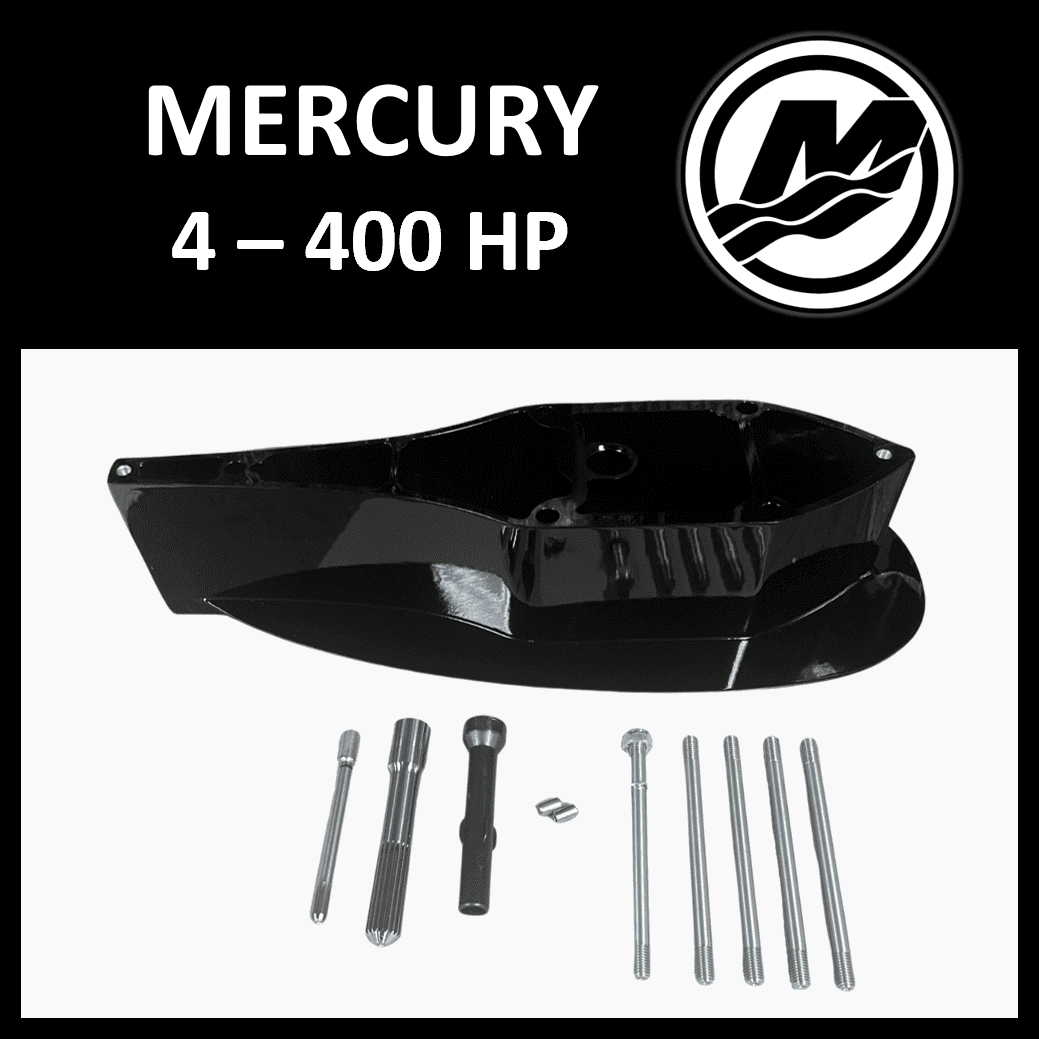
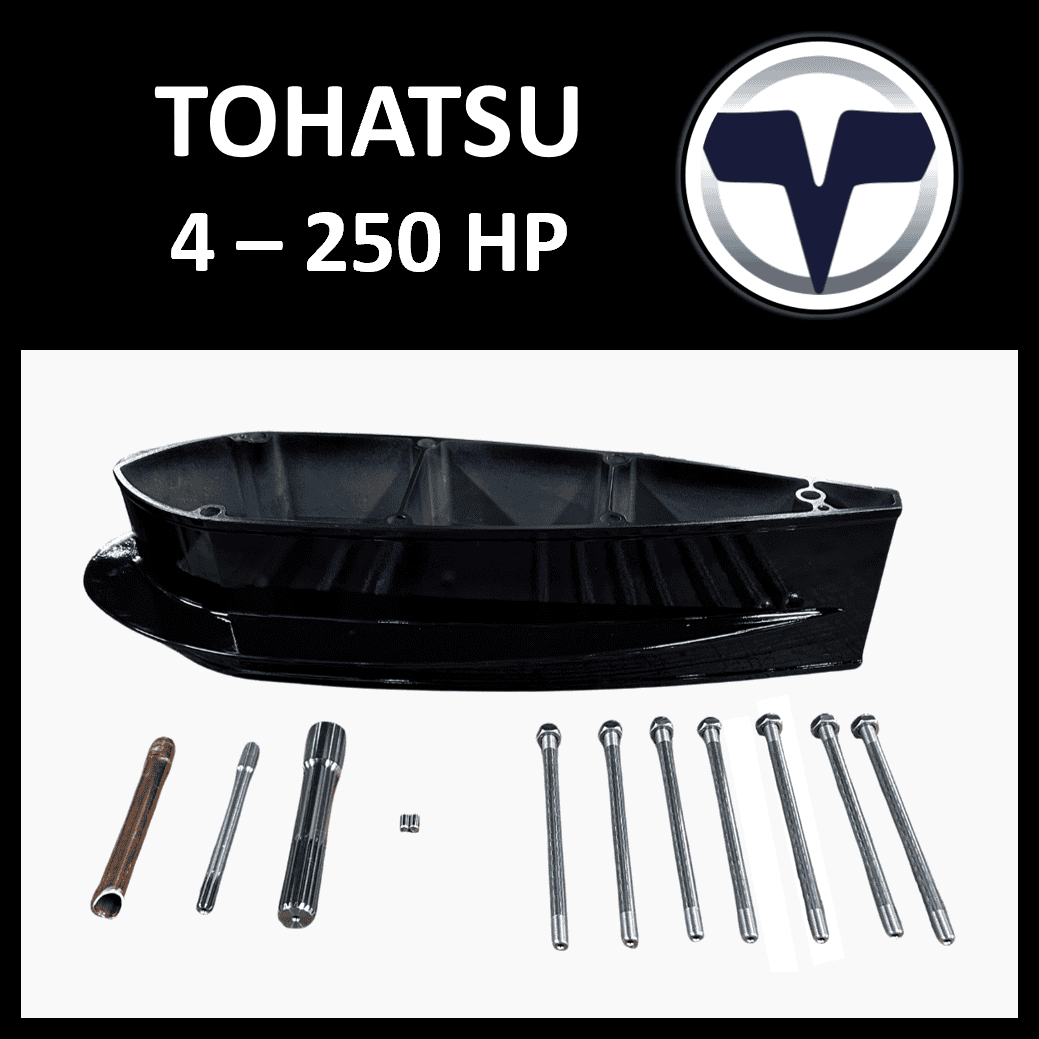
Take charge of the boat rigging to ensure proper setup and functionality while out on the water. Boat rigging involves setting up components like outboard motors, which are commonly used to power boats. The outboard motor is mounted on the boat’s stern, providing the necessary engine power for propulsion. You can also do outboard motor extensions to improve boat performance.
When rigging your boat, consider the swim platform at the boat’s stern. This platform is a convenient area for boarding the boat from the water. Ensure that the swim platform is securely attached and that all rigging components are properly connected to guarantee a safe and enjoyable boating experience.
The way your boat is rigged can impact its performance on the water. Proper rigging ensures that the engine power is effectively transmitted to the propeller for efficient movement. This setup plays a crucial role in the overall handling and speed capabilities of the boat. By paying attention to the rigging details, you can optimize your boat’s performance and enjoy a smooth ride on the water.
cta_section
The Gunwale of a Boat
When considering the structure of a boat, the gunwale plays a crucial role in providing stability and safety while on the water. The gunwale is the upper edge of the side of a boat, running along the hull from bow to stern. It serves as a barrier that helps prevent water from splashing into the boat, keeping you dry and secure. On many boats, the gunwale is where you can find metal fittings for attaching various accessories like rod holders or cleats for securing lines.
The gunwale also contributes to the overall structural integrity of the boat, helping it maintain its shape and strength, especially in rough waters. When standing on the boat, leaning against the gunwale on the port side can offer a sense of security and balance. Additionally, the gunwale provides a convenient location for mounting safety equipment such as life rings or navigation lights. Understanding the importance of the gunwale on boats is essential for safe and enjoyable boating experiences.
Flybridge Boat
Perched atop some motor boats, the flybridge offers a commanding view of the water and surroundings. This elevated platform is a defining feature of flybridge boats, providing excellent visibility for navigation. A typical flybridge boat consists of essential boat parts such as the steering wheel, throttle controls, and navigation instruments. The electrical system on the flybridge powers these components, ensuring smooth operation while commanding the vessel from above.
When it comes to the engine block, flybridge boats often house inboard engines below deck or outboard engines at the stern. These engines drive the boat forward, providing the necessary power for propulsion. The flybridge design allows for easy access to the engine compartment for maintenance and repairs. Additionally, the elevated position of the flybridge enhances the overall boating experience, allowing for a panoramic view of the surrounding waterways.
The Bilge of a Boat
Nestled at the lowest point of a boat, the bilge serves as the collection area for any excess water and other fluids that enter the vessel. The bilge pump, essential for keeping this area dry, automatically removes accumulated water to prevent damage and maintain a safe boating environment. As a boat operator, it’s crucial to regularly inspect the bilge area to ensure the pump is functioning correctly and that no leaks are present.
Additionally, the bilge is where you may find the boat’s wheel, used for steering and navigating the waterways. It’s important to keep this area clean and free from debris to ensure smooth operation. Furthermore, the bilge often houses the fuel tank, so it’s vital to monitor for any signs of leakage to prevent environmental contamination.
Boat cleats, used for securing the vessel to docks or other boats, are also typically located near the bilge. Regularly checking and maintaining these cleats can prevent accidents and ensure the boat remains safely moored. By adhering to extended maintenance intervals for the bilge area, you can enhance the longevity and performance of your boat.
The Cockpit of a Boat
Located towards the rear of the boat, the cockpit provides the designated area for steering and operating the vessel. When in the cockpit, ensure that all passengers wear life jackets for safety. These jackets are crucial in emergencies and can save lives. Familiarize yourself with the location of the kill switch in the cockpit; it’s a vital safety feature that can shut off the engine in case of an emergency.
Additionally, the cockpit is where you can find the red and green sidelights used for navigation at night. These lights help other boats determine your position and which direction you’re traveling. Before starting the boat’s engine, make sure all necessary power switches in the cockpit are turned on. It’s essential to confirm that everything is in working order before setting off on your journey.
Saloon Boat
When it comes to a saloon boat, the interior layout plays a significant role in providing comfort and functionality for passengers. The vessel’s hull is designed to maximize space and provide a smooth ride on the water. The engine run is typically powered by an electric motor, known for its efficiency and quiet operation, enhancing the overall experience on board. The electric motor contributes to better fuel economy, reducing costs and environmental impact.
One common feature in a saloon boat is the outboard powerhead, which houses the motor and allows for easy maintenance access. This setup is convenient for quick repairs or adjustments while out on the water. Additionally, the outboard powerhead design often leads to better weight distribution, improving the boat’s performance and maneuverability.

The Cabin of a Boat
Located towards the front or center of a motor boat, the cabin provides a sheltered area for passengers and storage of essential equipment. The cabin is a crucial component of boats, offering protection from the elements and a place to rest during long journeys. Boats come in various sizes and designs, influencing the layout and size of the cabin. Some cabins are compact with basic seating and storage, while others on larger boats may feature multiple rooms, berths for sleeping, and even bathrooms.
The main parts of a cabin typically include seating areas that can often convert into sleeping spaces, storage compartments for gear and supplies, windows for natural light and ventilation, and doors for privacy and security. Modern motor boats often incorporate amenities like air conditioning, heating systems, and entertainment units into their cabins, enhancing the comfort and enjoyment of passengers on board. Whether for a day trip or an extended voyage, the cabin of a motor boat plays a vital role in ensuring a safe and comfortable experience on the water.
Galley of a Boat
What essential function does the galley serve on a motor boat?
The galley of a boat is like the kitchen of a house, serving as the area where you can prepare and cook meals while out at sea. It’s typically equipped with storage cabinets, a stove, a sink, and sometimes even a small refrigerator. The galley is an essential part of the boat, especially during longer trips when having access to cooked meals is crucial.
In addition to the basic kitchen amenities, the galley also houses important electrical components. These components power the appliances in the galley and ensure that everything functions correctly. You might find a red light in the galley, which is used during nighttime sailing to preserve night vision. This light provides enough illumination to see without disturbing your ability to see in the dark. The galley also connects to the main power source of the boat, usually through a circuit breaker to prevent electrical overloads.
Make sure to keep the galley organized and clean for a smooth sailing experience.
Personal Flotation Device
When it comes to safety on board a motor boat, one crucial item to have is a properly fitting and readily accessible personal flotation device. Whether you’re a seasoned sailor or just starting out, wearing a personal flotation device, commonly known as a life vest, is essential when on the water. These devices are designed to keep you afloat in case of an emergency and are a key element of boat safety measures.
Personal flotation devices come in various styles and sizes to fit different body types and water activities. It’s important to choose one that’s approved by relevant safety authorities and ensure it fits snugly before setting sail. Remember, accidents can happen unexpectedly, and having a personal flotation device on at all times can make a life-saving difference.
Before embarking on any boating adventure, double-check that each passenger has a properly fitted personal flotation device. Safety should always be a top priority when enjoying the water on boats of any size.
Kill Switch
Are you aware of the essential safety feature known as the kill switch on a motorboat? The kill switch is a crucial component that’s designed to immediately shut off the engine in case the operator is thrown overboard. It’s typically attached to the operator via a lanyard and is connected to the boat’s ignition system. If the operator falls into the water, the kill switch is pulled off, cutting power to the engine and preventing the boat from circling uncontrolled, which could be extremely dangerous.
The kill switch is usually located near the outboard lower unit, making it easily accessible in case of an emergency. This safety feature is connected to vital engine components such as the fuel pump, spark plugs, and propeller. By stopping the engine from running when the kill switch is activated, it helps to prevent accidents and injuries, ensuring a safer boating experience for everyone on board. Remember to always wear the kill switch lanyard when operating a motor boat to stay safe on the water.
Navigation Lights
Navigation lights play a crucial role in ensuring the safety of your nighttime boating activities. These essential components are mounted on boats to help you navigate safely in the dark and signal your position to other vessels. The navigation lights consist of different colors, such as red, green, and white, each serving a specific purpose in indicating the direction and size of your vessel to others on the water.
Boats are required to display navigation lights between sunset and sunrise and during times of restricted visibility. The power source for these lights can vary, with many modern boats using LED lights due to their energy efficiency and long-lasting performance. Properly functioning navigation lights are vital to avoid collisions and ensure smooth sailing during the night.
Regularly check your navigation lights to guarantee they’re working correctly before heading out on the water. Understanding the importance of these lights and their role in enhancing your visibility can significantly improve your nighttime boating experience.
Port Side and Starboard Side
To identify the port side and starboard side of a motorboat, observe the specific colors and placement of navigation lights. On boats, the port side refers to the left side, which is indicated by a red navigation light. The starboard side, on the other hand, is the right side and is denoted by a green navigation light. These lights help other vessels determine which direction your boat is moving, especially in low visibility conditions.
Understanding the distinction between the port and starboard sides is crucial for safe navigation on the water. When looking at a boat’s cross-section, the port side is the one on the left, while the starboard side is on the right. Familiarizing yourself with these components ensures effective communication and coordination with other boaters.
Next time you’re out on the water, take note of these essential markers to easily distinguish between the port side and starboard side of boats. By recognizing these key indicators, you’ll enhance your boating experience and promote a safer marine environment.
Frequently Asked Question
What are the 4 sides of a boat called?
The four sides of a boat are known as the bow, stern, port, and starboard. The bow refers to the front of the boat, while the stern is the rear. When facing the bow, the left-hand side of the boat is called the port side, and the right-hand side is known as the starboard.
These terms are essential for navigation and communication on the water, helping to avoid confusion that could arise from using relative directions like left and right, which can change based on the observer’s orientation.
What are the parts of a boat motor?
A boat motor, particularly an outboard motor, comprises several key components essential for its operation. These include the engine, which is the heart of the motor where combustion takes place to produce power; the clamp, which secures the motor to the boat; body parts, which encompass the motor’s external components; the gearbox, responsible for transmitting power from the engine to the propeller; and the propeller itself, which propels the boat forward or backward by pushing water away. Together, these parts work in harmony to ensure the boat moves efficiently through the water.
What are the parts of a boat called?
The parts of a boat are categorized into several key areas for identification and functionality. The front of the boat is known as the bow, while the rear is referred to as the stern. The right side of the boat, when facing forward, is called the starboard side, and the left side is known as the port side.
The body of the boat is termed the hull. These terms are fundamental in boating terminology, helping to describe the location and function of various components and areas on a boat, ensuring clear communication and navigation.
You should pay attention because you might need to repair some parts of a boat, search for replacement skegs, or anything in between, which you wouldn’t be able to do without the proper boat terminology.
What is the bottom part of an outboard motor called?
The bottom part of an outboard motor is commonly referred to as the lower unit or the gear case. This crucial component of the outboard motor is responsible for converting the power generated by the engine into motion by transferring it to the propeller.
The lower unit houses the gearbox, which includes the drive shaft, the propeller shaft, and the water pump, among other parts. It plays a pivotal role in the propulsion of the boat, allowing it to move forward or backwards through the water.
While on the subject of propellers, let’s not forget the important boat part – a cavitation plate.
Conclusion
Bay Manufacturing is a family business – we have been around for 85 years manufacturing a range of products for boats. Now that you know the different parts of a motorboat, you can navigate the waters with confidence. Just like a captain steering a ship through stormy seas, you’ll be able to guide your boat safely to your destination. And if you need outboard extension kits, a lot of people have trusted us so far. You can read the reviews here.
So, grab your personal flotation device, activate the kill switch, and let the navigation lights lead the way. With these tools at your disposal, you’ll be cruising like a pro in no time.
cta_section
