










Key Takeaways
- A fin on an outboard motor enhances the boat’s stability by minimizing rolling and pitching in rough waters.
- It improves steering control, especially at lower speeds, making the boat easier to maneuver.
- The fin helps reduce drag, allowing the motor to operate more efficiently and consume less fuel.
- Using a fin can increase the boat’s top speed and smooth out the ride by lifting the stern and minimizing “porpoising.”
Have you ever wondered how a fin on an outboard motor enhances your boating experience? Essentially, a fin acts as a stabilizer that significantly reduces the rolling and pitching of the boat, particularly in rough waters. This not only improves your comfort but also increases the overall safety of your journey. As you steer, the fin works subtly in the background, regulating the water flow to ensure smoother, more controlled maneuvers. But beyond just stabilizing, there’s another aspect of the fin’s functionality that might surprise you and could change how you think about boat handling altogether.
Functions of a Fin on an Outboard Motor
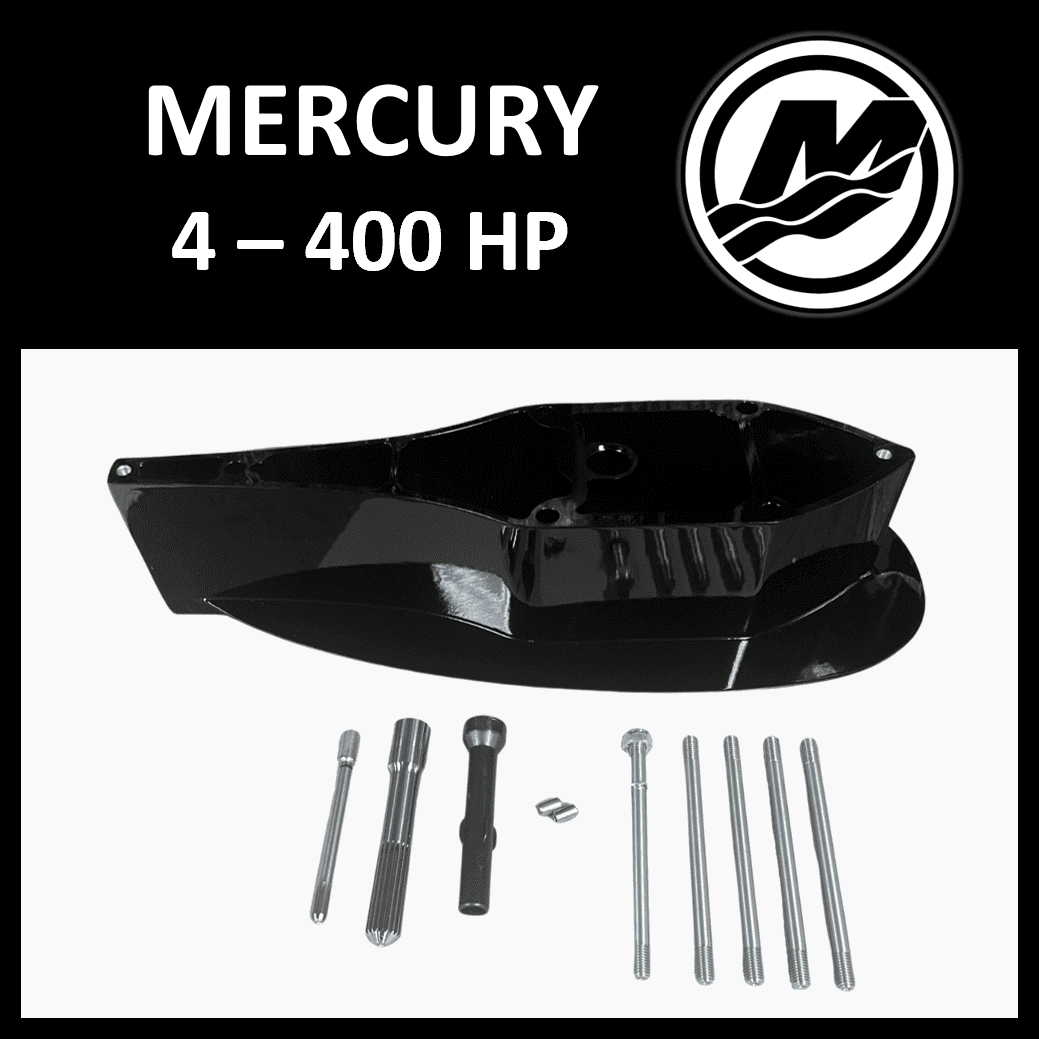
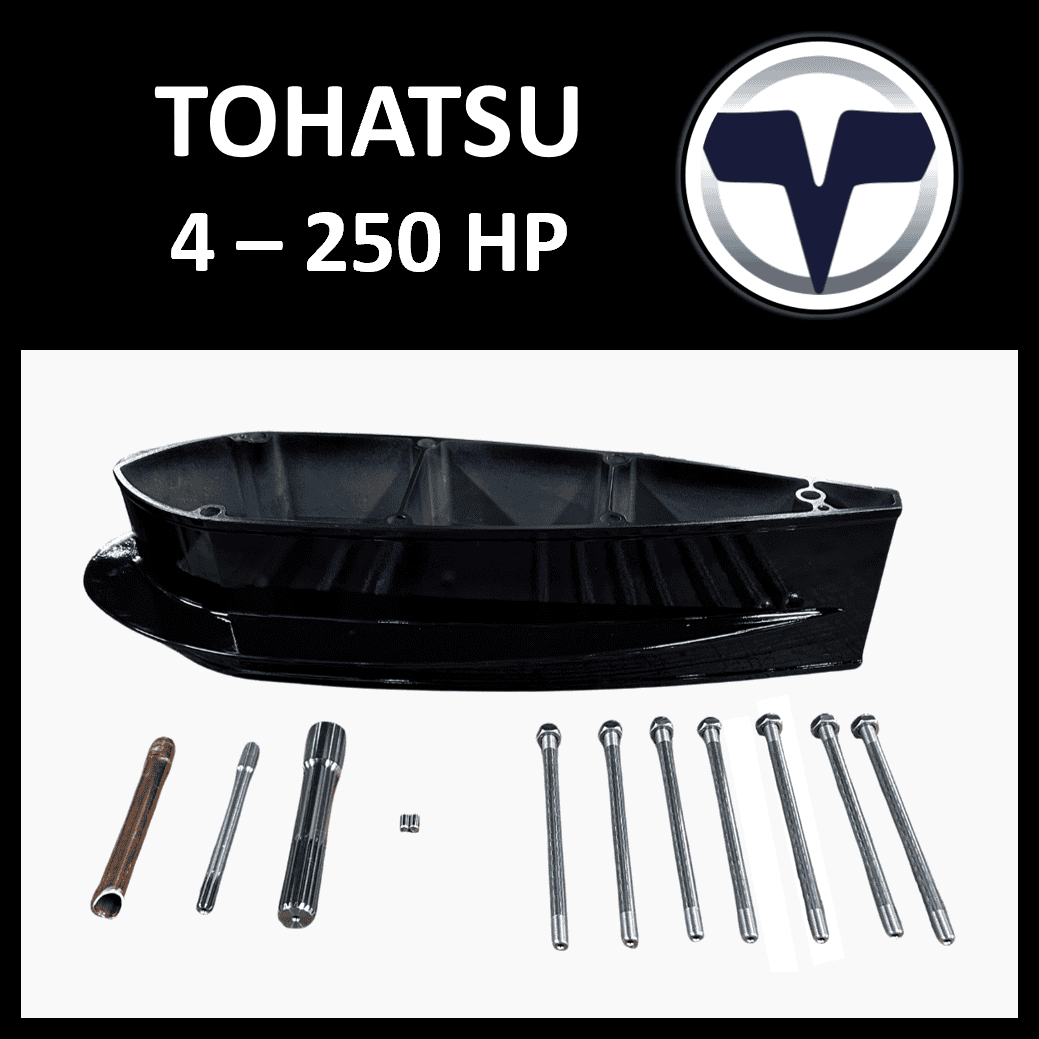
A fin on an outboard motor enhances stability and steering control. When you’re navigating through water, the fin, often referred to as a stabilizer, plays a crucial role in how well your boat handles. This small but significant component is attached to the lower unit of the outboard motor. It functions by altering the water flow around the motor, which in turn affects the boat’s performance.
Let’s delve into how this works. As you pilot your boat, the water interacts with the fin. The fin is designed to generate lift, much like the wing of an airplane. This lift counters the natural tendency of the boat to roll and pitch, effectively smoothening your ride. It also reduces the side-to-side sway as you make sharp turns or cut through waves.
Moreover, the fin helps in minimizing drag — a kind of resistance encountered in water. By optimizing the flow of water, the fin allows the outboard motor to operate more efficiently. This mechanism not only supports the boat’s stability but also aids in maintaining a straighter course with less effort from you, making your boating experience less physically demanding and more enjoyable.
Do you also know what helps with handling, stability and smooth rides? Extension kits for outboard motors.

cta_section
Benefits of Using a Fin
Using a fin significantly enhances your boat’s performance, offering better control and reduced fuel consumption. When you attach a fin to your outboard motor, you’ll notice how it improves steering at lower speeds, making your boat more agile and responsive. This is especially helpful in tight marinas or during tricky docking maneuvers.
The benefits of using a fin extend to better handling. It stabilizes the boat, reducing the rolling motion caused by waves or wakes. This means you can enjoy a smoother ride, keeping you and your passengers more comfortable. Read also about a boat cavitation plate that also helps with better handling.
Additionally, the fin helps in lifting the stern, which decreases drag from the hull. As a result, you’ll find that your boat reaches higher speeds without needing to push the motor harder.
Speaking of pushing the motor, incorporating a fin can lead to enhanced fuel efficiency. With less drag and more optimal trim, your outboard motor doesn’t have to work as hard, which means it uses less fuel.
Over time, this can lead to significant savings, making a fin a wise investment for cost-conscious boaters. So, by adding a simple fin to your setup, you’re not just upgrading your boat’s capabilities—you’re also optimizing its operational costs.

Frequently Asked Questions
What is the purpose of fins on an outboard motor?
The fins on an outboard motor, particularly hydrofoil fins, serve several important functions that improve overall boat performance. They primarily help lift the boat’s hull out of the water as it gains speed, reducing drag and making the boat more fuel-efficient.
By lifting the stern, they also improve stability and handling, allowing the boat to plane at lower speeds, which enhances control in rough waters. Additionally, fins can increase top speed and reduce boat’s “porpoising,” which is the up-and-down bouncing movement of the boat. These benefits make them a valuable accessory for improving speed, fuel efficiency, and protection of the outboard motor’s components.
What is the little fin on outboard motor?
The small fin located above the propeller on an outboard motor is typically referred to as a trim tab or torque tab. Its main function is to counteract the steering torque created by the rotating propeller, which tends to pull the boat in one direction, especially at higher speeds.
By adjusting the trim tab, the steering can be balanced, making it easier to control the boat without constantly correcting for the propeller’s pull. This adjustment helps the boat track straight, reducing steering effort and enhancing overall handling. In some setups, this fin also serves as an anode to prevent corrosion on the motor’s lower unit.
How important is the skeg on an outboard motor?
The skeg on an outboard motor plays a crucial role in both protecting the propeller and aiding in the boat’s directional stability. It functions as a rudder, helping the boat steer straight, especially at higher speeds, and minimizing the strain on the motor during turns. Without a skeg, the boat’s steering would become difficult, and the propeller would be vulnerable to damage from underwater debris or when running aground.
A damaged skeg can result in reduced maneuverability, increased fuel consumption, and even dangerous handling, particularly in challenging waters. While you can technically operate a boat with a damaged skeg, it is not advisable, and repairs or protective measures like a skeg guard should be considered to prevent further issues.
What does the fin above the prop do?
The fin located above the propeller on an outboard motor, commonly referred to as the trim tab or torque tab, serves two primary purposes. First, it helps to counteract the steering torque generated by the propeller’s rotation, which tends to pull the boat to one side. By adjusting this tab, the boat can be kept on a straighter course, reducing the effort required to steer.
Additionally, in some cases, this fin also acts as an anode, helping to prevent corrosion on the motor by attracting electrolysis. This dual function makes it an essential component for ensuring smoother handling and prolonging the life of the outboard motor, especially in saltwater environments.
Conclusion
Adding a fin to your outboard motor offers undeniable advantages, from improved handling and efficiency to cost savings.
The hydrofoil design of the fin enhances your boat’s performance by allowing it to plane more easily. This means you’ll experience less drag and can reach higher speeds without pushing your engine too hard. The reduction in drag also plays a crucial role in decreasing fuel consumption, which not only saves you money but is better for the environment.
You’ll notice that with a fin, your boat feels more stable and responsive. This improvement in handling makes for safer and more enjoyable boating, especially in choppy waters.
The enhanced stability also reduces wear and tear on your motor, potentially lowering maintenance costs over time.
cta_section
