










Key Takeaways:
- Skeg guards protect your skeg from damage caused by rocks, debris, or shallow waters. Easy to install, they extend the lifespan of your skeg and improve boat performance.
- Skegs are fin-like components at the bottom of boats.
- Available for minor or severe skeg damage, skeg guards can be made of high-impact stainless steel or reinforced plastic, offering protection and strength.
- To install a skeg card, clean it, apply epoxy, and fit it. For welded skegs, professional installation is recommended. Regularly inspect for wear and replace if damaged.
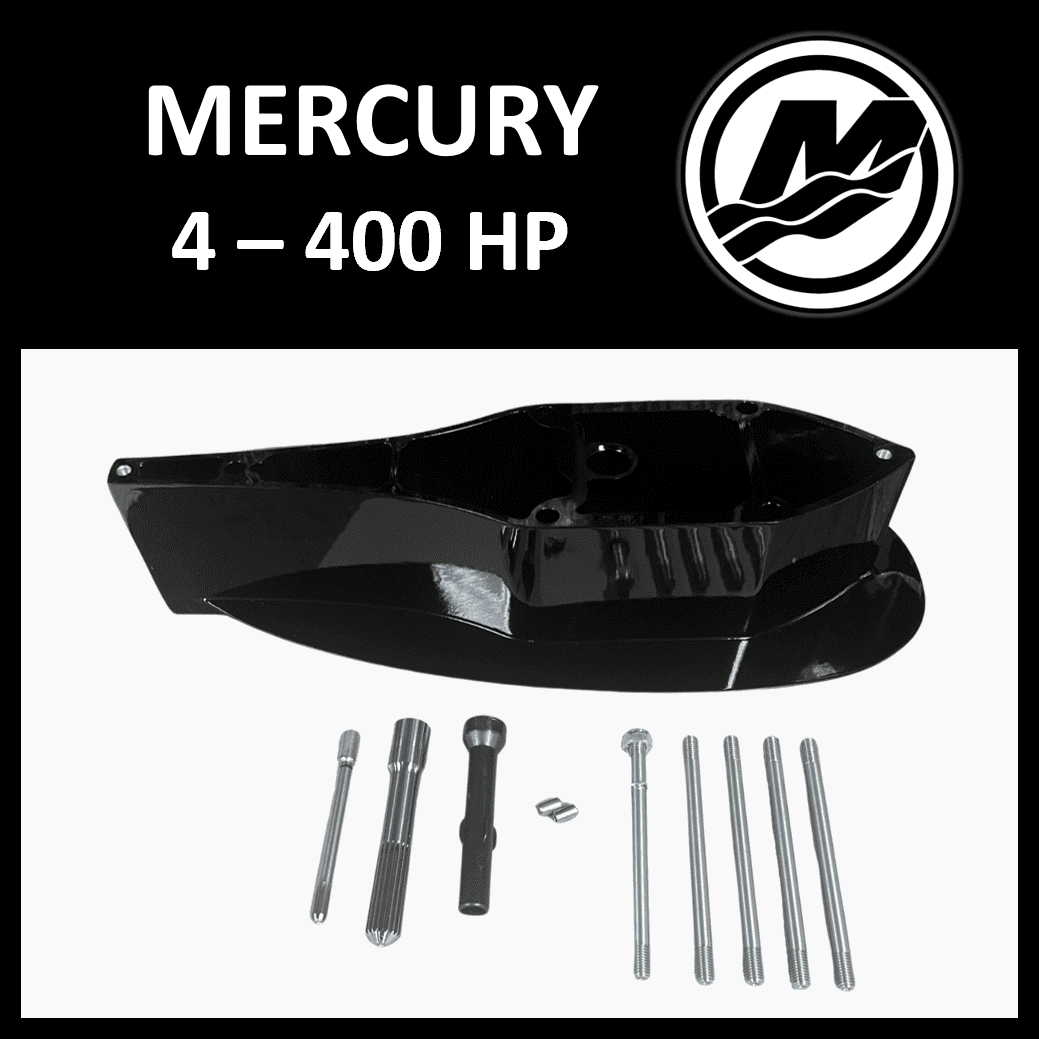
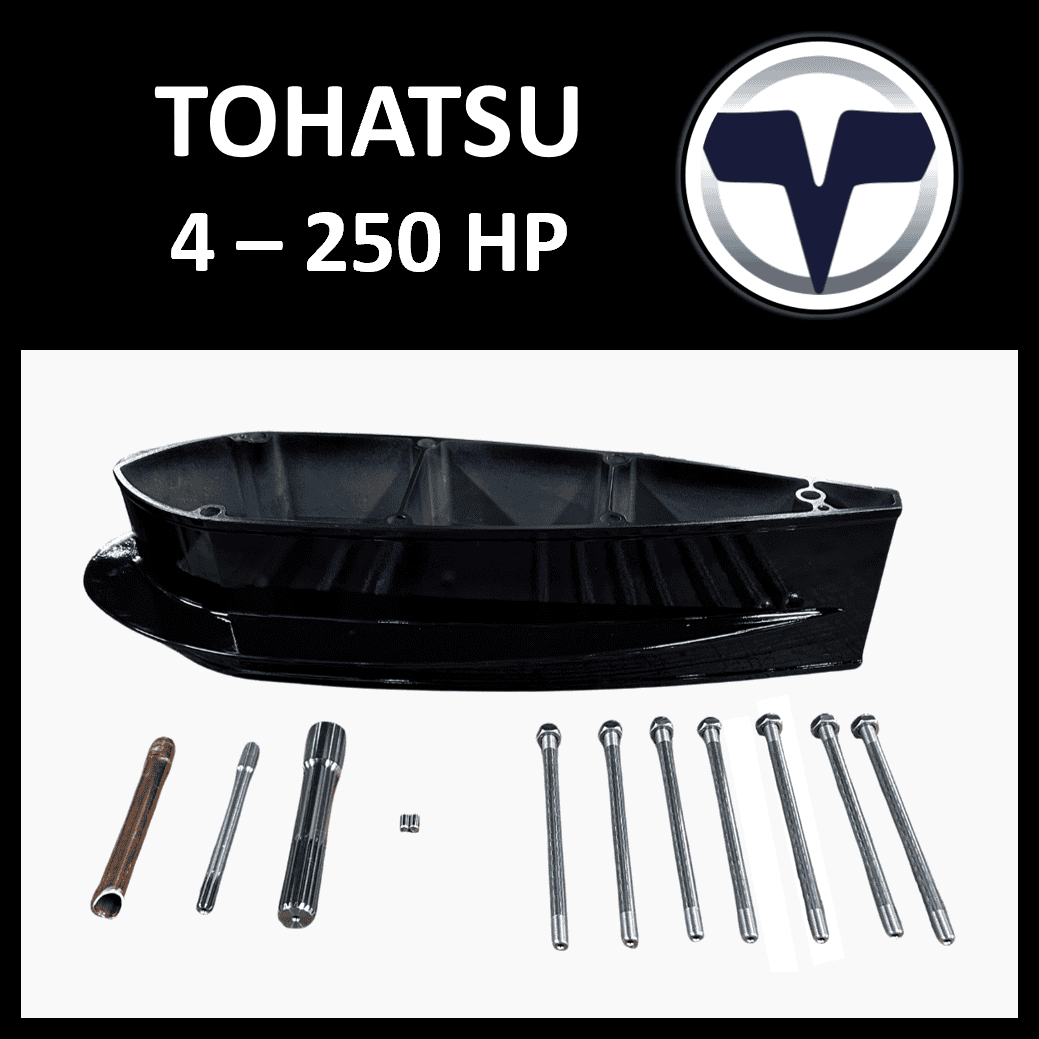
The Skeg Guard is used predominantly in the boating world, and is designed to protect and, if needed, restore your outboard or stern drive’s skeg.
But what exactly is a skeg, and why would it require guarding? And how does a skeg guard compare to a professional skeg repair? Let’s dive in and explore these questions.
What Are Skegs?
Diving into the world of boating, you’ll encounter ‘skegs’, integral components that influence your vessel’s performance. But what are skegs exactly, and what purpose do they serve?
Skegs are typically found on the bottom of boats, protruding from the hull. They’re usually made of sturdy materials like aluminum, designed to withstand the harsh marine environment.
The primary role of a skeg is to improve the boat’s directionality and stability. It’s a sort of underwater fin that extends from the keel, which runs along the bottom of the hull. The skeg acts as a rudder, helping your boat maintain a straight course, especially when you’re battling strong currents or high winds.
But a skeg isn’t only about enhancing your boat’s handling. It provides a guard to the propeller and outboard motor, offering a degree of protection. This is where skeg guards come into the picture. These devices are mounted over the skeg, further safeguarding it from potential damage.
While not every boat has a skeg, those that do benefit greatly from its presence. Whether you’re a seasoned sailor or a boating newbie, understanding the purpose of a skeg and its guard is key to ensuring a smooth and safe voyage.
The Function of Skeg Guards
When you install a skeg guard, you’re essentially adding an extra layer of protection to your boat’s skeg, helping to shield it from potential harm. This skeg protector is specially designed to safeguard the lower unit of your boat’s outboard motor from damage. With frequent use, your boat is bound to hit rocks, debris, or shallow water, which can lead to costly skeg replacements or repairs if it’s damaged or broken.
Outboard skeg guards are typically easy to install. You don’t need to be an expert to mount it onto your boat. They’re designed to fit over the existing skeg without any major adjustments required. The installation process is fairly simple and quick, ensuring your boat is back on the water in no time.
But what’s the point of these guards? It’s about protection. A skeg guard acts as a buffer against all the threats your boat might encounter in the water. It’s a small investment that can save you from hefty skeg repair costs down the line. Plus, it extends the lifespan of your skeg, ensuring that you can navigate the water smoothly for years to come. So, don’t wait for damage, protect your boat with a skeg guard today.

cta_section
Types of Skeg Guards
In the world of boating, you’ll find various types of skeg guards designed to suit your specific needs and boat type. So, what’s a skeg guard? Simply put, it’s a protector for your boat’s skeg, the fin-like projection on the bottom of the boat, which might get damaged due to various reasons.
Depending on the state of your damaged skeg, you might need different types of skeg guards. Some are designed for boats with minor damage, providing a reinforced protective layer and reducing the need for immediate repairs. Others are made for severely damaged skegs, serving as a temporary solution until you can get the skeg professionally repaired.
When deciding to purchase a skeg guard, you need to consider the brand and how it’s installed. Some brands offer easy-to-install options that don’t require drilling, while others might need professional installation. The material of the guard is also essential. Some are made from high-impact stainless steel, offering excellent strength and corrosion resistance, while others are made of reinforced plastic for lightweight protection.
Keep in mind that the type of skeg guard you choose should match your boating needs and the condition of your skeg.
Installation and Maintenance
You’ll find the installation and maintenance of a skeg guard straightforward if you’ve chosen a model designed for easy fitting. To install, first, clean the broken skeg and the area around it to ensure a tight bond. Then, apply the epoxy provided with the skeg guard. This adhesive is critical to securing your guard in place. Once you’ve done that, slide the guard over the broken skeg, aligning it properly.
If you’ve got a skeg welded onto your motor, the process is different. Welding requires skill, so you might want to hire a professional. But remember, welding could expose your motor to high temperatures, which could lead to damage.
Now, let’s talk about maintenance. It’s pretty simple. Regularly check your skeg guard for signs of wear and tear. Look for corrosion, especially if you often navigate saltwater. Steel skeg guards, while durable, can rust over time. If you notice significant corrosion or damage, it’s time for a repair or replacement.
Skeg Guards vs. Skeg Repair
Now that we’ve looked at how to install and maintain a skeg guard, let’s compare this solution to the alternative – skeg repair. Skeg damage can be a costly issue. It often requires drilling holes, welding a new plate, and putting your boat back into stock condition.
Skeg repair can be a bit of a hassle. First, you have to assess the damage. Then, you’ll need to drill holes to attach a new plate. Welding is typically the next step, a process that requires both skill and equipment. After that, you’re putting your boat back to stock, hoping the repair holds up over time.
On the other hand, skeg guards are a cheaper and easier solution. They’re simple to install, requiring no welding or drilling. Plus, they protect your skeg from future damage, potentially saving you repair costs down the line.
While the upfront cost of a skeg guard may be higher, it’s often a more cost-effective solution in the long run. You’re not only fixing existing damage, you’re also preventing future issues. So when weighing your options, consider not just the immediate cost, but also the ease and potential savings in the future.

Frequently Asked Questions
Is a skeg guard a good idea?
After researching, it’s evident that whether a skeg guard is a good idea depends on various factors such as the type of boating activities, water conditions, and the condition of the boat’s skeg. In general, skeg guards can be a beneficial investment for boat owners who frequently navigate shallow or rocky waters, as they provide protection against damage to the skeg and lower unit of the outboard motor. Sometimes, the damages might be so severe that you might even need a new replacement kit or the individual outboard extension parts in case you don’t need an entire extension kit.
They can also enhance maneuverability and overall performance, particularly for boats used in fishing, recreational boating, or commercial purposes. However, the decision to install a skeg guard should be based on individual needs and preferences, as well as consultation with marine professionals or experienced boaters to ensure compatibility and effectiveness.
What is the purpose of the skeg?
The skeg on a boat serves several important purposes in terms of both stability and performance. Firstly, it provides directional stability by acting as a rudder when the boat is underway, helping to keep it on course and preventing excessive yawing or drifting. Additionally, the skeg helps to protect the propeller and lower unit of the outboard motor by providing support and reducing the risk of impact damage from debris or shallow water hazards.
In some boat designs, the skeg may also play a role in hydrodynamics, influencing the flow of water around the hull and improving overall handling and efficiency. Overall, the skeg is an integral part of a boat’s propulsion system, contributing to both safety and performance on the water.
Does a damaged skeg affect performance?
A damaged skeg can indeed have a significant impact on the performance of a boat. The skeg plays a crucial role in stabilizing the boat and maintaining proper alignment, particularly at higher speeds or in adverse weather conditions. When the skeg is damaged, bent, or broken, it can cause the boat to handle poorly, leading to issues such as increased yawing, difficulty steering, and reduced overall stability.
Additionally, a damaged skeg may also affect the boat’s ability to track straight and can result in decreased fuel efficiency due to increased drag and turbulence. Therefore, it is essential to address any skeg damage promptly to ensure optimal performance and safety on the water. Regular inspections and maintenance can help identify and mitigate potential issues before they escalate into more significant problems.
How much does it cost to fix a skeg?
The cost to fix a skeg can vary depending on several factors such as the extent of damage, the type of boat, and the specific repair method used. In general, minor repairs to small dents or scratches on the skeg may cost anywhere from $100 to $300.
However, more extensive damage such as bent or broken skegs may require welding or replacement, which can significantly increase the cost. Welding repairs typically range from $200 to $500, while full replacement of the skeg can cost anywhere from $500 to $1500 or more, depending on the complexity of the repair and the type of boat.
Additionally, labor costs and any necessary parts or materials will also contribute to the overall repair expenses. It’s essential to consult with a professional, well-reviewed boat specialist to assess the damage accurately and provide a cost estimate tailored to your specific situation.
Conclusion
You’ve come full circle.
You now know what a skeg is, its guard’s function, the different types, and even how to install and maintain it.
You’ve also learned the difference between skeg guards and skeg repair.
isn’t it interesting how such a small part can have such a big impact on your boating experience?
Now, go out there and make your boat the best it can be! For everything else regarding kits, individual parts and services – contact BayMFG.
cta_section
