










Key Takeaways:
- Rinse your outboard motor with fresh water after each trip to prevent corrosion and buildup.
- Regular maintenance, including annual services and oil changes, is crucial for your motor’s longevity.
- Check the propeller, fuel system, and cooling system regularly to avoid performance issues.
- Add fuel stabilizers, change the oil, and store the motor upright for long-term protection.
When you think about maintaining your boat, how often do you consider the health of your outboard motor? It’s easy to overlook, but routine care is pivotal to prevent unexpected breakdowns and costly repairs. Imagine you’re planning a weekend on the water, and your motor fails—frustrating, right? To avoid such scenarios, you’ll need to understand the basics of motor maintenance, from the simplest tasks like rinsing after each use to more complex undertakings like changing the oil. But there’s more to it than just these steps. What are the signs that your motor might be crying for help before it’s too late?
After Every Trip
After every trip, rinse your outboard motor with fresh water to remove salt, dirt, and debris. This simple step is crucial for preventing corrosion and buildup that can hamper your engine’s performance. Remember, both fresh water and salt water cause metal corrosion.
Outboard motor maintenance, especially after saltwater adventures, demands attention to the cooling system and water pump impeller. Salt can crystallize and block these critical areas, leading to overheating and potential engine damage.
Inspect the engine cowling for any signs of wear or damage. Ensure it’s securely fastened to protect the motor’s internal components from water intrusion and contaminants.
Check the throttle cables as well; salt and dirt can cause them to stiffen or corrode, impacting your boat’s maneuverability.
Regularly applying grease to necessary points ensures smooth operation and extends the life of the moving parts. This preventive boat motor maintenance step shouldn’t be overlooked, as it safeguards against the harsh marine environment.
Regular Maintenance
Besides caring for your outboard motor after each use, establishing a schedule for regular maintenance is key to ensuring its longevity and optimal outboard motor performance. Dive into routine maintenance with a clear plan that prioritizes your motor’s health and your safety on the water.
Start with an annual service, which is a cornerstone of outboard motor maintenance. This comprehensive check isn’t just a suggestion—it’s a necessity. During this service, you need to replace the water pump and inspect the fuel filter. These components are crucial for smooth operation and often wear out faster than others.
Don’t overlook the importance of regular oil changes. Fresh oil keeps your engine running smoothly and reduces the risk of overheating and other mechanical failures. Make it a habit to check regularly for any signs of oil degradation or leakage.
Additionally, keep an eye on your spark plugs. They should be inspected and replaced as needed to ensure your engine starts reliably and runs at peak efficiency. Worn or dirty spark plugs can lead to engine inefficiency and increased fuel consumption.

Essential Maintenance Checklist
To keep your outboard motor in top condition, refer to this essential maintenance checklist.
First, you’ll want to check and possibly replace the oil filter. A clean oil filter ensures your motor will run smoothly, avoiding unnecessary wear.
Next, assess your fuel line for any signs of wear or leaks, and always use fresh fuel to prevent build-up in your carburetor. Stale fuel can lead to engine failure, so it’s critical to keep your fuel fresh.
Speaking of the carburetor, make sure it’s clean and properly adjusted. A well-maintained carburetor optimizes engine performance and efficiency.
Another key component is the propeller; inspect it for any damage or debris that might hinder performance. Even minor dents can lead to bigger problems down the road.
Perhaps most crucially, replace the water pump impeller annually. This simple step is vital to prevent overheating, as a failing impeller can’t circulate water around the engine effectively. Overheating can cause severe damage, potentially sidelining your boating plans.
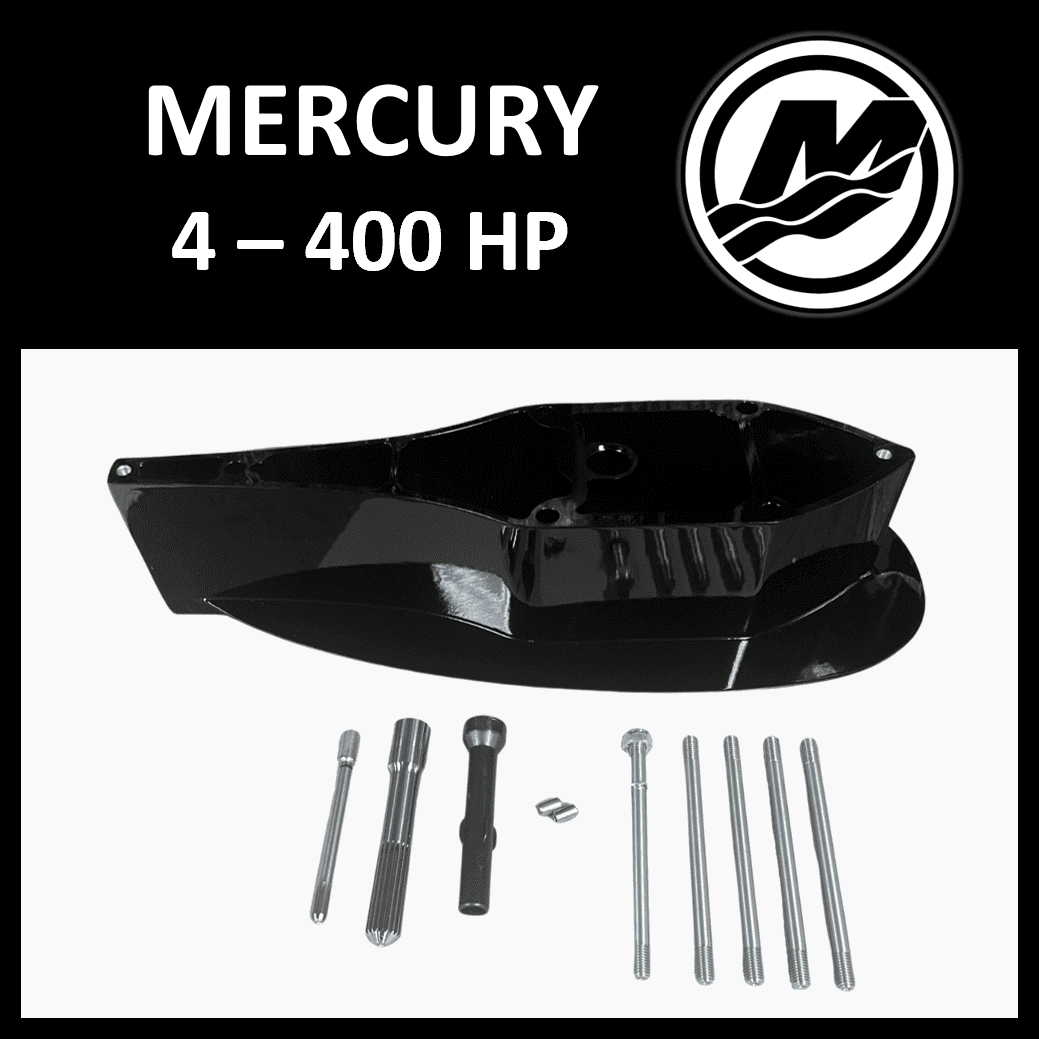
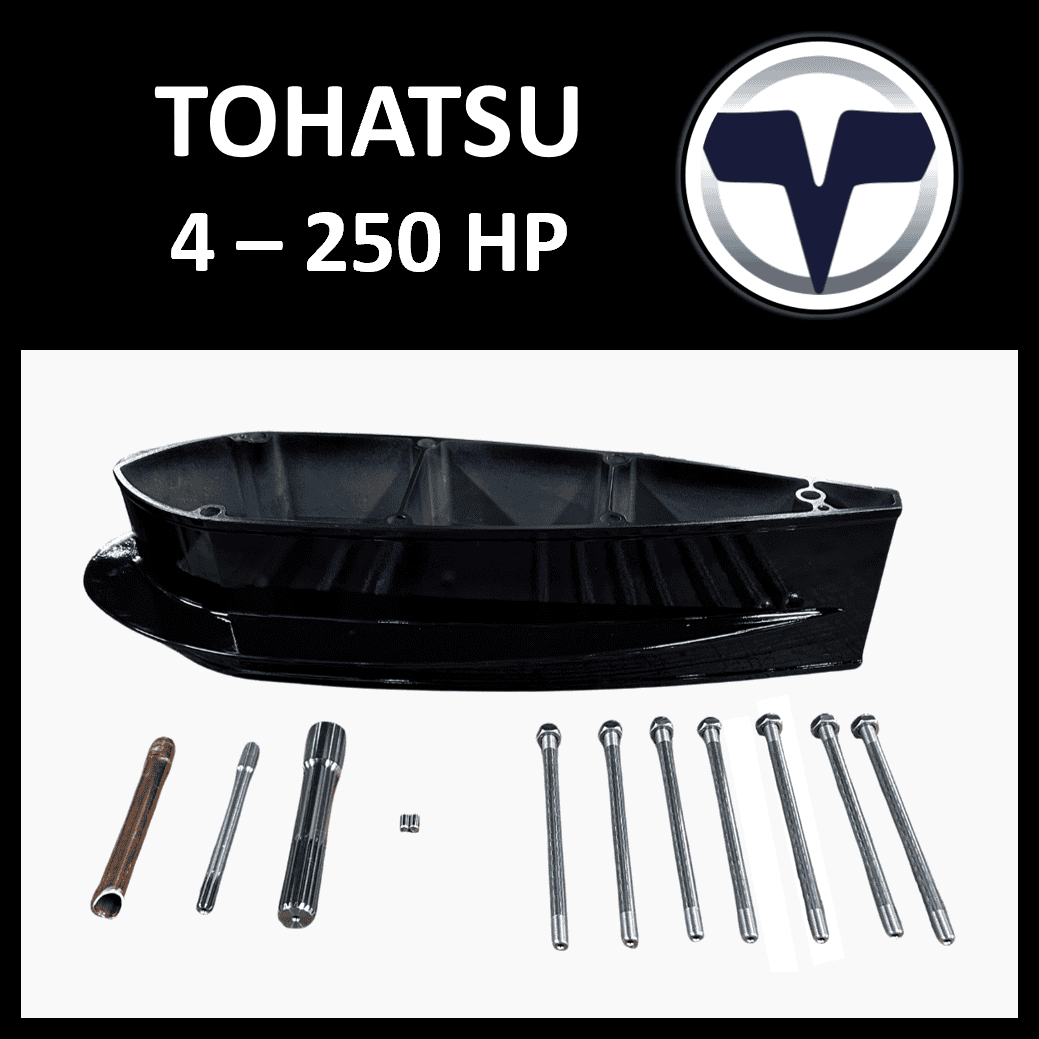
While we are on the subject of maintenance, it might not be a bad time to discuss performance upgrades, skeg replacements, or outboard extension parts.
Power-Head Inspection
Why should you inspect the power-head of your outboard motor? Well, regular checks are key to ensuring that your engine doesn’t suffer from issues like overheating, which can lead to serious damage. During your motor maintenance, you’ll want to focus on a few critical areas to maintain optimal performance.
Start by examining the carburetor valves. These are prone to build-up from both fresh water outings and saltwater use. Ensuring they’re clean and functioning properly helps in preventing engine failures and maintains fuel efficiency.
Next, check the water intake and make sure it’s clear of any debris. A blocked water intake can restrict good water flow, crucial for cooling your engine effectively.
While you’re at it, it’s also wise to look over the entire engine for any signs of wear or damage. Catching small issues early on through basic service checks can save you a lot of time and money down the line.
Lower-Leg Service
Moving on to the lower-leg service, you’ll want to start by checking the gear oil for any signs of contamination. If the oil appears milky or has metal particles, it’s a sign that water’s infiltrated the lower unit or there’s internal wear. You’ll need to address this immediately to prevent further damage.
Next, inspect the lower unit for signs of corrosion. Saltwater can be especially harsh, so applying an anti-corrosive spray helps maintain the metal’s integrity. Don’t overlook the sacrificial anodes; these are crucial as they protect the lower unit by corroding in place of more vital components. If they’re significantly worn down, it’s time to replace them.
Servicing the new water pump is another key aspect of lower-leg maintenance. The water pump keeps your motor cool during operation, and failure can lead to overheating and severe engine damage. Make sure it’s functioning correctly and replace any worn components.
cta_section
Propeller Assembly
Check your propeller assembly regularly for any signs of damage or wear. This is crucial to keep your outboard motor running smoothly and ensure your boat performs well. The propeller assembly is one of the most critical moving parts on your boat, and any issues can significantly impact your boat’s efficiency and safety.
When inspecting the propeller, look for dents, nicks, or bends. These can occur from hitting underwater objects and can lead to vibration, reduced performance, and increased fuel consumption. Also, check for fishing line that may have become wrapped around the propeller shaft. Left unchecked, it can cause severe damage to the seal and potentially lead to water getting into the gearbox.
Ensure all the moving parts are clean and free from debris. Lubricate the propeller shaft periodically to prevent corrosion and maintain smooth operation. If you notice any issues, don’t hesitate to replace the damaged parts immediately. You can also look into installing a cavitation plate to avoid the formation of vapor cavities.
Regular maintenance of your propeller assembly not only keeps your motor at full speed but also helps you practice safe boating. A well-maintained propeller ensures that your boat is always ready for operation, whether you’re out for a leisurely sail or a fishing trip. Keep your outboard in top condition to enjoy reliable and efficient performance every time you hit the water.
Tank Care
Regularly clean and inspect your boat’s fuel tank to prevent contamination and ensure optimal engine performance. It’s crucial to remove any debris stuck in the fuel system. This not only protects the engine but also helps in maintaining the efficiency of your fuel lines.
To prevent corrosion, it’s essential to check the condition of your fuel tanks regularly. You’ll want to look for any signs of rust or damage that could compromise the tank’s integrity. If you find leaks, address them immediately to protect your boat’s overall health.
When it’s time to change fuel or dispose of old fuel, make sure you do so responsibly. Proper disposal is key to protecting the environment and ensuring that harmful chemicals don’t end up in the wrong places. Always use designated containers and facilities for disposal.
Additionally, ensure your fuel system is tightly sealed, and the fuel lines are clear of obstructions. Regular checks can save you a lot of trouble down the line. Keeping these components clean and free from blockages will help maintain your boat’s performance and longevity.

Long-Term Storage Preparation
Preparing your outboard motor for long-term storage involves a few critical steps to ensure it remains in top condition.
First, you’ll want to focus on the fuel tank. Fill it up to prevent moisture from accumulating and add a fuel stabilizer to keep the fuel fresh for the duration of storage. Next, change the oil to eliminate any contaminants and moisture that could cause internal damage.
Turning to the battery, you should immediately shut off the battery switch to prevent any power drain. It’s also a good idea to remove the battery and store it in a cool, dry place to extend its lifespan.
Ensure the motor is in an upright position to prevent oil or fuel leakage. This basic step helps maintain the motor’s integrity and readiness for your next boating season.
A little TLC goes a long way in preserving your motor’s health. By covering these basic steps, you’re setting yourself up for a hassle-free start to your next season of safe boating.
Just remember, when you pull your boat out of storage, everything will be ready to go, allowing you to immediately enjoy the water without delay.
Tools and Tips for Maintenance
Now that you’ve prepped your outboard motor for storage, let’s look at the tools and tips needed for regular maintenance.
First and foremost, always consult your owner’s manual. It’s your go-to guide, especially for specific care for four-stroke engines.
For a start, you’ll need a good quick lube. This helps in ensuring all moving parts are well-oiled, reducing wear and tear.
Next, get a sturdy metal clamp. This tool is essential for securing components while you work, particularly when you’re attaching the garden hose to the motor’s water intake. Speaking of hoses, using a garden hose is crucial for running water through the engine, which prevents salt or debris build-up.
Now, onto checking for water leaks. Inspect the flow tube and outflow tube regularly. Leaks can lead to significant issues if not caught early. Always ensure that these tubes are clear and that the water exits strongly without any obstruction.
Lastly, don’t forget a plastic cover. It protects the engine from dust and moisture when not in use.
Keep an eye on the fuel system too; make sure there’s no contamination or blockages affecting fuel flow. Regular maintenance isn’t just about fixing problems—it’s about preventing them.
Frequently Asked Question
What maintenance is needed on an outboard motor?
Maintaining an outboard motor involves several key steps to ensure its reliability and longevity. After each outing, it’s essential to flush the engine with fresh water to remove salt and debris, especially if used in saltwater environments. Regularly inspect the motor for fuel or water leaks, clean and lubricate moving parts with an anti-corrosive spray, and check the spark plugs and fuel lines for wear or damage.
Performing lower-leg service includes examining the propeller for dings or bends and ensuring the shaft seal is intact to prevent water from entering the gearbox. Changing the leg oil periodically and ensuring that the fuel used is fresh helps maintain optimal performance. Before long-term storage, all fuel should be drained, and the engine should be fogged with an oil-based spray to prevent internal corrosion.
Regularly scheduled maintenance, along with the use of quality tools and spare parts, will help keep the outboard motor running smoothly. And if maintenance checks show the need for boat repairs, you can always choose between doing it yourself or hiring professionals.
How to maintain a 4 stroke outboard motor?
Maintaining a 4-stroke outboard motor involves several crucial steps to ensure it remains in excellent working condition. Start by regularly checking the engine oil and replacing it according to the manufacturer’s recommendations, typically after every 100 hours of operation or annually, whichever comes first. Inspect and clean the oil filter, replacing it as needed, to keep the oil free of debris. After each use, flush the cooling system with fresh water to remove salt, sand, and other contaminants that can corrode internal components, especially if the motor was used in saltwater. Regularly check the fuel system for leaks or damage, including the fuel lines, primer bulb, and fuel tank. Replace the fuel filter as needed and ensure the use of clean, fresh fuel to prevent clogging of the carburetor or fuel injectors.
Additionally, inspect and clean the spark plugs, replacing them if worn or fouled, and check the air filter to ensure it is clean and free of debris. Finally, lubricate all moving parts, such as the throttle and shift linkages, and inspect the propeller for damage, replacing it if necessary to ensure optimal performance and fuel efficiency. Regular maintenance and attention to detail will keep a 4-stroke outboard motor running smoothly and efficiently.
How to maintain a 2 stroke outboard motor?
Maintaining a 2-stroke outboard motor involves several key steps to ensure it operates efficiently and has a long lifespan. Begin by regularly checking and replacing the spark plugs, as they tend to foul more quickly in 2-stroke engines. After each use, flush the cooling system with fresh water to remove salt and debris, especially if used in saltwater, to prevent corrosion and buildup in the engine’s cooling passages. Use the correct oil-to-fuel mixture as specified by the manufacturer to ensure proper lubrication and performance. Inspect the fuel lines and primer bulb for cracks or leaks, replacing them as needed, and check the fuel filter to ensure it is clean and unobstructed. Regularly examine the propeller for any damage, such as dings or bends, and ensure it is securely attached.
Additionally, lubricate moving parts like the throttle and shift linkages with a marine-grade lubricant to prevent corrosion and maintain smooth operation. Before long-term storage, drain all fuel from the carburetor and fuel lines to prevent gumming, and use a fogging oil spray to coat the internal components, protecting them from rust and corrosion. Regular maintenance and using quality parts and fluids are essential for keeping a 2-stroke outboard motor in optimal condition.
Should you flush your outboard motor after every use?
Yes, flushing your outboard motor after every use is highly recommended, especially if you operate it in saltwater or murky freshwater environments. Flushing helps remove salt, sand, and other debris that can accumulate in the engine’s cooling system, preventing corrosion and buildup that can impair performance and reduce the motor’s lifespan. By connecting the motor to a freshwater source using a flushing device or earmuffs, you ensure that the cooling passages remain clear and free of harmful deposits.
This simple maintenance step helps maintain optimal engine temperature, prevents overheating, and contributes to the overall longevity and reliability of your outboard motor. Regular flushing is an essential practice that can save you from costly repairs and ensure your motor runs smoothly for years to come.
Conclusion
Maintaining your outboard motor is crucial for ensuring its longevity and optimal performance. As a boat owner, you’ve got to dive into the world of basic boat maintenance to avoid costly repairs later. This boat maintenance guide has aimed to equip you with the foundational knowledge and steps necessary for maintaining your motor effectively.
Follow the manufacturer’s recommendations to the letter—whether it’s about servicing the motor, checking the electrical systems, or replacing parts. These guidelines are tailored specifically to your model and are designed to maximize the lifespan and efficiency of your motor.
cta_section
