










Key Takeaways:
- Regular boat maintenance is essential for preventing costly repairs and ensuring safety on the water.
- Engine checks, including oil and spark plug inspections, are crucial for optimal performance and longevity.
- Hull and exterior care, such as addressing cracks and preventing corrosion, help maintain your boat’s integrity and aesthetics.
- Consistent attention to electrical, propulsion, and storage systems ensures reliable operation and a smooth boating experience.
Imagine you’ve just discovered a crack in the hull of your boat after a routine day out on the lake; such surprises aren’t just inconvenient, they can be downright hazardous. You’re probably aware that regular maintenance can prevent many common issues, but you might not know the best practices that can save you from costly repairs or safety mishaps. From engine checks to hull care, understanding the intricacies of boat upkeep is vital. Let’s explore how simple, regular interventions can keep your vessel in prime condition, and why neglect could lead to troubles you’d rather avoid. What could happen if you overlook these essentials?
Engine Maintenance
Regularly checking your boat’s engine oil levels and color can prevent major mechanical issues. It’s crucial to include this step as part of your regular maintenance routine. You’ll want to also replace the oil filter each time you change the oil to ensure the engine runs smoothly.
Next, focus on the spark plugs. Inspect and replace them if they’re worn out or fouled. This simple action can significantly improve your engine’s performance and fuel efficiency.
Don’t overlook the cooling system either; ensure it’s functioning properly to prevent the engine from overheating. This involves checking the water pump impeller for damage—replace it annually to avoid unexpected failures.
You should also examine the fuel line for cracks or leaks and replace it if necessary. This prevents fuel loss and potential safety hazards. Meanwhile, throttle cables must be inspected for fraying or sticking. Lubricate them to maintain smooth operation.
Adhering to these preventive boat motor maintenance tips not only prolongs the life of your engine but also enhances your safety on the water. Make sure you’re consistent with these checks and replacements to keep your boat in top condition for your next adventure.

Hull and Exterior Care
After ensuring your engine is in top shape, it’s important to turn your attention to the hull and exterior of your boat. Regular inspection is key to maintaining your boat’s integrity and aesthetics. Whether you’re navigating salt water or fresh water, different challenges arise that can affect your vessel’s condition.
For boats in salt water, it’s crucial to use anti-corrosive treatments to prevent corrosion. Salt can quickly degrade both metal and fiberglass if not properly managed. Make sure you rinse your boat thoroughly with fresh water after each outing to remove salt deposits, which can accelerate wear and tear.
In fresh water, although corrosion is less aggressive, you still need to check regularly for signs of damage or water leaks. Water leaks can be particularly deceptive, often starting small and unnoticed but leading to significant issues if left unchecked.
You should also keep an eye on the overall condition of the boat’s exterior. Look for cracks, blistering, or discoloration on the hull. These can be indicators of deeper problems. Regular cleaning and applying a protective wax can also help shield the exterior from environmental damage and keep your boat looking great.
Electrical and Propulsion Systems
Check your boat’s electrical and propulsion systems frequently to ensure they’re functioning optimally and safely.
Starting with your outboard motor or boat motor, make sure to routinely inspect and maintain the engine. This includes checking the fuel system for any leaks or blockages and ensuring the oil levels are adequate. It’s essential to run the engine periodically, even during the off-season, to prevent the engine from seizing and to keep all moving parts lubricated.
Next, turn your attention to the electrical systems. This includes everything from your battery switch to the wiring. Ensure your battery switch is always turned off when you’re not using the boat to prevent drainage. Regularly inspect all wiring for signs of wear or corrosion and replace any faulty components immediately.
Always start the engine before you plan to head out, checking for any unusual noises or vibrations. These could indicate a problem with your propulsion systems that needs immediate attention.
Keeping these systems in check not only prolongs the life of your boat but also ensures your safety on the water. Remember, consistent maintenance is key to reliable performance.
Interior and Storage
Maintaining your boat’s interior and storage areas is crucial for both aesthetics and functionality. Regular maintenance isn’t just about keeping spaces clean; it’s also about ensuring the safety and efficiency of your vessel.
Start by checking your fuel tanks and fuel lines as part of your basic service routine. It’s essential to ensure these components are free from leaks and corrosion, which can significantly affect your boat’s performance.
Make sure to replace the fuel filter according to the manufacturer’s service schedule. This is typically part of an annual service but might need attention more frequently depending on usage. Using fresh fuel and having a clean fuel filter will help in preventing engine issues and extend the life of your fuel system.
Additionally, inspect all storage compartments for moisture or mold build-up, which can damage both the interior surfaces and stored items. Keep these areas dry and well-ventilated.
Regular cleaning and vacuuming of the interior are more than just cosmetic—they help in maintaining the integrity and value of your boat.
cta_section
Battery and Fuel Management
Ensure your boat’s battery is fully charged and the connections are secure to optimize performance and safety. A well-maintained battery is crucial, especially for those long freshwater outings or saltwater adventures.
Regularly check the battery’s charge level, clean terminals, and tighten any loose connections. This will help you avoid unexpected power issues while you’re far from shore.
Fuel management is just as important. Always ensure you’re using the correct type of fuel for your boat’s engine. Regularly check your fuel lines and connections for leaks or wear and replace them as necessary to maintain safety and efficiency.
Make sure to use all the fuel before refueling to prevent moisture from accumulating in the tank, which can lead to contamination and engine problems.
Routine maintenance of your boat’s motor, whether it’s an outboard or other type, includes checking the oil and gas levels before every trip. Change the oil as recommended by the manufacturer, and always use fresh, clean gas.
This is vital for motor maintenance and will extend the life of your engine, ensuring reliability whether you’re cruising the high seas or fishing in calm waters.

Trailer and Equipment Maintenance
Regularly inspect your boat trailer’s tires, bearings, and lights for optimal safety and performance. Don’t let wear and tear catch you off guard.
Check the tires for any signs of deterioration or uneven wear, which could lead to dangerous blowouts. It’s also crucial to ensure that the bearings are greased adequately to prevent overheating and potential engine failure.
Consult your owner’s manual to find specific grease points and follow the recommended schedule for applying a quick lube. This simple maintenance step can significantly extend the life of your trailer’s moving parts, reducing the risk of unexpected breakdowns.
Remember, practicing safe boating starts with ensuring your trailer is in top condition, as it’s responsible for transporting your valuable boat.
Pay special attention to your motor’s maintenance needs as well. Regular checks can prevent many common issues from escalating.
Ensure that all moving parts are lubricated properly to prevent wear and maintain efficiency. This proactive approach not only supports safe boating but also helps in avoiding costly boat repairs down the line.
Frequently Asked Questions
How to properly maintain a boat?
Properly maintaining a boat involves several key practices to ensure it remains in optimal condition and performs safely. Start by regularly inspecting the engine, checking oil levels, and lubricating all moving parts to prevent wear and tear. After every outing, flush the engine with fresh water to remove salt and debris, especially if used in saltwater.
Regularly inspect and clean the propeller, ensuring the prop nut and cotter pin are secure, and remove any fishing lines or debris that might have become entangled. Keep the boat clean by using biodegradable cleaners for the hull and interior, and designate a dry storage area for essentials to prevent mold and mildew.
Maintain the upholstery by cleaning it often and repairing any tears promptly to prevent further damage. In addition, inspect and clean the cockpit flooring and ensure that marine-grade carpeting is free from water and debris. Before the boating season starts, check anodes, propellers, cable jackets, and safety gear, and follow a proper storage routine during the off-season to protect the boat from weather-related damage. Regularly updating your boat maintenance checklist and following a structured maintenance schedule will help extend the life of your vessel and provide peace of mind on the water.
How often does a boat need maintenance?
The frequency of boat maintenance depends on the type of boat, how often it is used, and the conditions in which it operates. Generally, boats require a routine maintenance check after every outing, especially when used in saltwater, to flush the engine and clean the hull. More comprehensive maintenance, including checking the engine oil, inspecting the propeller, and ensuring safety equipment is in good condition, should be performed every 20 to 50 hours of operation.
Annually, or every 100 hours of use, it’s crucial to conduct thorough inspections and tasks such as changing the oil and filters, checking the hull for damage, and ensuring all electrical systems are functioning properly. Additionally, before and after the boating season, conduct seasonal checks, which involve inspecting anodes, propellers, and safety gear, as well as preparing the boat for storage during the off-season to protect it from harsh weather conditions. Following a structured maintenance schedule helps ensure the boat’s longevity and safety.
How often should a boat engine be serviced?
A boat engine should be serviced regularly to ensure optimal performance and longevity. Generally, it is recommended to service a boat engine every 100 hours of operation or at least once a year, whichever comes first. This routine service typically includes changing the engine oil and filters, inspecting and replacing spark plugs if necessary, checking the fuel and cooling systems for leaks or wear, and ensuring that the belts and hoses are in good condition.
For boats used frequently or in harsh conditions, such as saltwater environments, more frequent checks may be advisable to prevent corrosion and buildup. Additionally, after every outing, it’s important to flush the engine with fresh water to remove salt and debris, especially in saltwater applications.
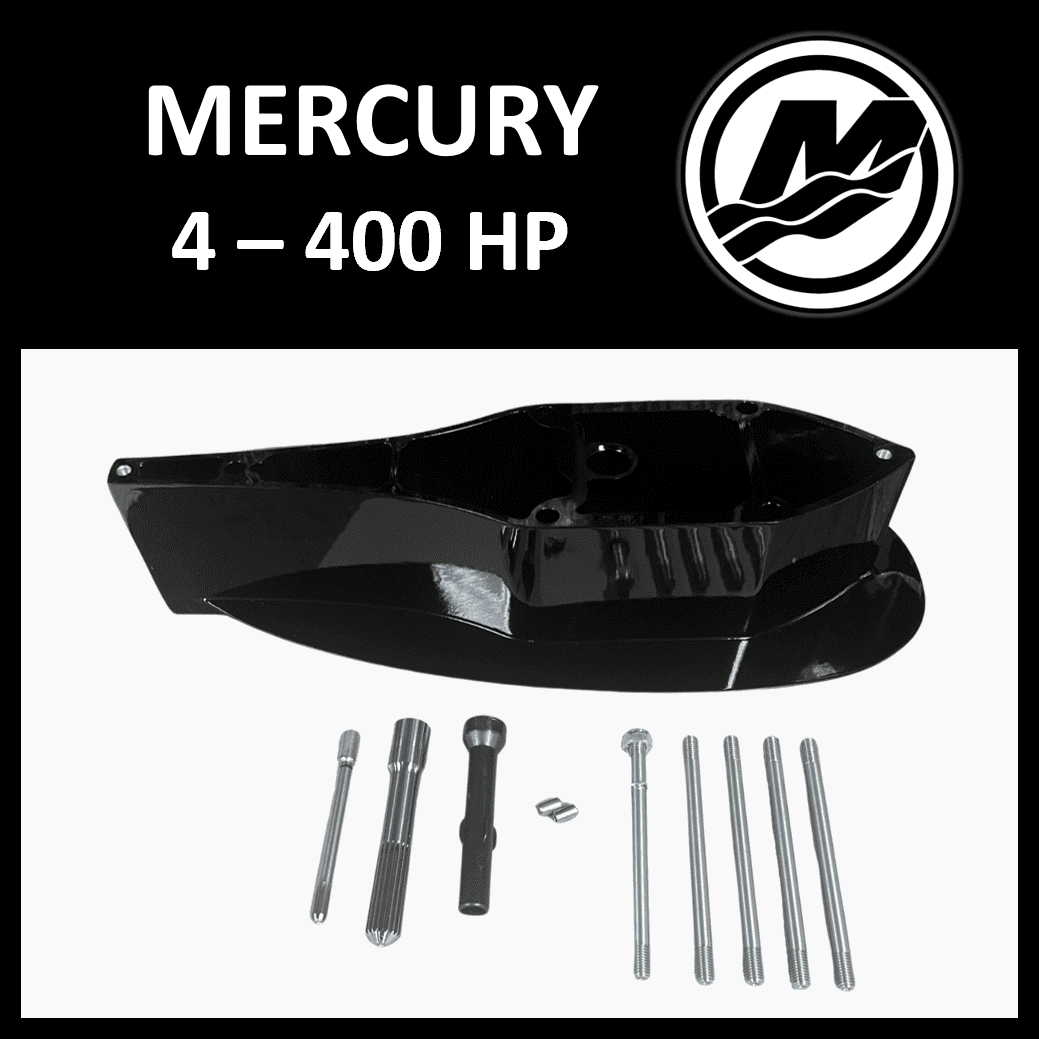
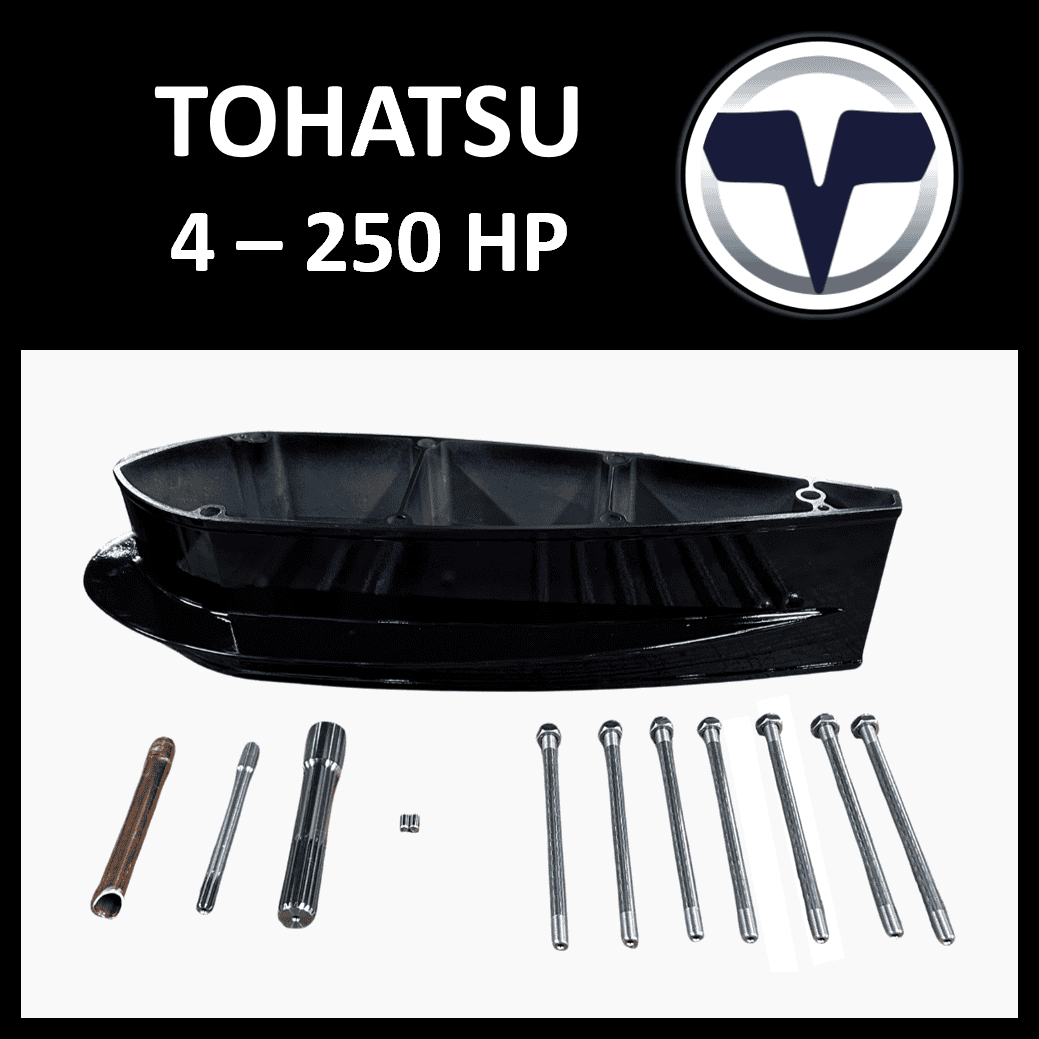
Regular servicing and maintenance checks help prevent costly repairs and ensure safe and efficient operation, especially when it comes to parts prone to damage, like skegs. Luckily, you can always use a skeg guard to minimize the damage.
How often should you change the oil in your boat’s engine in Canada?
In Canada, it is recommended to change the oil in your boat’s engine at least once a year or every 100 operating hours, whichever comes first. This schedule helps ensure the engine operates efficiently and reduces the risk of wear and tear. The climate and boating conditions in Canada, including cold temperatures and varied water conditions, can affect engine performance, making regular oil changes essential.
If the boat is used frequently, especially in saltwater or extreme weather conditions, you might consider more frequent oil changes to protect the engine from corrosion and buildup. Always refer to the manufacturer’s guidelines for your specific engine model, as they may have specific recommendations based on the engine type and usage. Regular oil changes, along with other maintenance tasks, help extend the life of the engine and ensure reliable performance.
Conclusion
By following these essential maintenance tips, you’ll ensure your boat remains in top condition and ready for the water.
Regular boat maintenance isn’t just about keeping your vessel looking great; it’s crucial to its longevity and safety. Every outing should be preceded by checks on your safety equipment and electrical systems. This isn’t just a suggestion—it’s a must to guarantee a safe trip every time.
Make it a routine to regularly check your fuel line and other vital components. Issues like leaks or wear can lead to significant problems if left unattended. These checks, while seemingly minor, play a huge role in preventing emergencies on the water.
Prioritize these important tasks and set a maintenance schedule. It may seem tedious, but the effort you put in now prevents future headaches. If you need to replace a skeg or extend the outboard with a kit or individual parts, get in touch with us.
cta_section
