










Key Takeaways:
- A jack plate allows for vertical adjustment of an outboard motor, enhancing a boat’s performance, fuel efficiency, and speed.
- There are two main types of jack plates: manual, which require hand adjustments, and hydraulic, which offer quick adjustments at the push of a button.
- Using a jack plate helps boats navigate shallow waters, reduces drag, and improves overall handling and stability.
- Proper maintenance and troubleshooting of a jack plate are essential for ensuring its longevity and optimal performance.
You might be wondering what a jack plate is, why it matters, and how it can benefit your boat’s performance. A jack plate allows you to adjust the height of your outboard motor, optimizing various aspects like fuel efficiency, ride smoothness, and speed. There are manual options that are budget-friendly and hydraulic ones that offer quick adjustments at the push of a button. But how exactly does this piece of equipment work, and what should you consider when choosing one? These questions open up a fascinating discussion about enhancing your boating experience.
Definition of a Jack Plate
A jack plate is a mounting bracket that allows you to adjust the height of your boat’s outboard motor. By attaching the jack plate to your boat’s transom, you can make precise vertical adjustments to the motor’s position. This feature is crucial for optimizing your boat’s performance on the water.
You can choose between manual jack plates and hydraulic jack plates, depending on your needs. Manual jack plates require you to make adjustments by hand, which can be time-consuming. However, they’re often more affordable and simpler to maintain.
Hydraulic jack plates, on the other hand, let you adjust the height of the outboard motor with a push of a button, allowing for quick and easy changes while you’re out on the water.
The ability to adjust the motor’s height helps you find the ideal position for different water conditions. When you optimize performance with the right vertical adjustments, you can improve fuel efficiency, achieve a smoother ride, and even reach higher speeds.
Understanding how a jack plate works and how to use it properly can significantly enhance your boating experience, making it a valuable addition to any vessel.

Types of Jack Plates
When choosing a jack plate, you’ll encounter two main types: manual and hydraulic. A manual jack plate requires you to adjust the height of your outboard engine by hand. It’s a straightforward design, often less expensive, and suitable if you don’t need to make frequent adjustments. This type is great for smaller fishing boats and those who prefer a more hands-on approach. You’ll mount it to your boat transom, and it’s relatively easy to manage as an aftermarket installation.
On the other hand, a hydraulic jack plate offers more convenience and flexibility. With a hydraulic system, you can adjust the height of your outboard engine with the push of a button. This type is ideal for those who need to make frequent adjustments while on the water, such as navigating shallow areas or optimizing performance under varying conditions. It’s particularly popular among serious anglers and boaters who demand precision and efficiency.
Both types of jack plates can significantly enhance your boat’s performance. Whether you choose a manual jack plate or a hydraulic jack plate depends on your specific needs and how you use your vessel. Either way, installing one can be a game-changer for your boating experience.
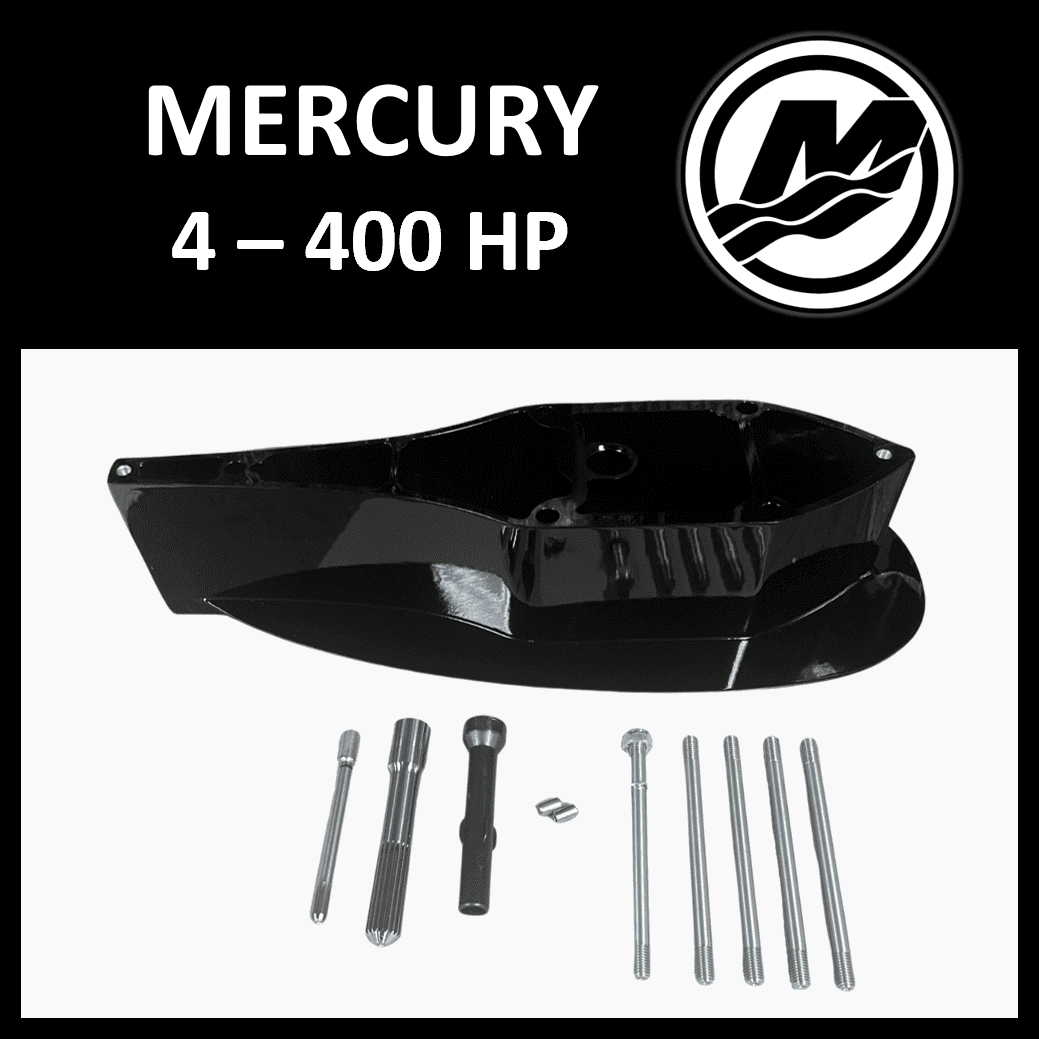
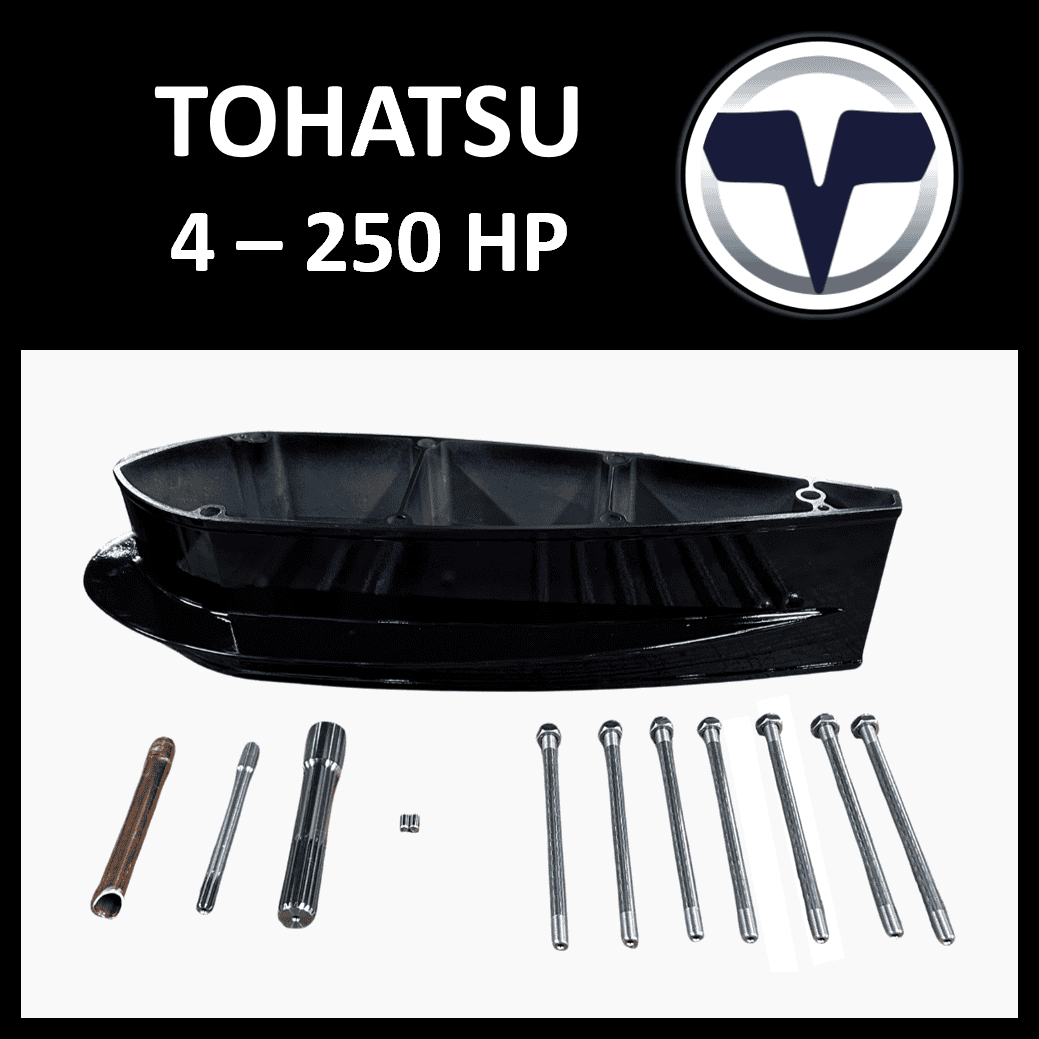
Another thing that also helps navigate shallow waters with ease and acts as a preventive measure is a skeg guard.
Benefits of Using a Jack Plate
Using a jack plate on your boat can deliver a range of performance and efficiency benefits. One of the main advantages is the ability to traverse shallow water. Outboard jack plates allow you to lift your engine, reducing the risk of damage and letting you navigate in areas other boats can’t. This is particularly useful for fishing or exploring less accessible spots.
Additionally, jack plates help your boat plane quicker. By adjusting the height of the motor, you can optimize the boat’s performance, getting it on the plane faster and more efficiently. This means you spend less time struggling to get up to speed and more time enjoying your ride.
Fuel efficiency is another key benefit. With a hydraulic jack plate, you can fine-tune the engine height for the best performance, reducing drag and improving fuel consumption. Over time, this can lead to significant savings on fuel costs.
cta_section
Installation Process
Installing a jack plate on your boat might seem daunting, but with the right tools and guidance, it can be straightforward and rewarding. Start by gathering the necessary tools and materials, including a drill, wrenches, bolts, and your chosen boat jack plate. Ensure you have a hydraulic or manual jack plate, depending on your preference.
Firstly, position the jack plate against the transom of your boat. Mark the bolt holes accurately, making sure they align with the engine mount. Drill the marked holes carefully, ensuring precision to avoid any misalignment. Next, bolt the jack plate securely to the transom, making sure it’s firmly in place.
Now, mount your engine onto the jack plate. Tighten all bolts to the manufacturer’s specified torque settings, ensuring the engine is secure.
If you’re using a hydraulic jack plate, connect the hydraulic lines and control unit as per the instructions. This allows you to adjust the engine height easily for optimal performance.
Maintenance and Care
Proper maintenance and care of your jack plate ensure its longevity and optimal performance. First, regularly inspect the jack plate for any signs of wear or corrosion, especially if you operate in saltwater environments. Clean it thoroughly to remove any debris or buildup that could hinder its function. A clean jack plate will make it easier to adjust the height and ensure smooth operations.
Lubrication is key. Make sure to lubricate the moving parts of the jack plate to keep it functioning smoothly. Use a marine-grade lubricant to avoid rust and corrosion. Regularly check the hydraulic fluid levels if you have a hydraulic jack plate, and top it off as needed.
During installation, ensure that all bolts and screws are tightened properly. Loose hardware can lead to malfunction and can affect your boat’s performance. Inspect the lower unit and raise it periodically to check for any potential issues that could affect your jack plate’s operation.
Common Issues and Troubleshooting
When your jack plate starts acting up, identifying common issues and troubleshooting them can save you time and frustration.
One frequent problem is the jack plate not lifting properly. This could be due to hydraulic fluid levels being too low, or air trapped in the system. To troubleshoot, check the hydraulic fluid reservoir and ensure it’s filled to the recommended level. Bleed the system to remove any air bubbles that might be causing the lift issue.
Another common issue is the jack plate motor failing to operate. First, inspect the wiring connections for any loose or corroded terminals. Cleaning and tightening these connections often resolves the problem. If the motor still isn’t working, the issue might lie within the motor itself, requiring a more in-depth inspection or professional repair.
Additionally, you might notice the outboard motor not aligning correctly after adjustments. This misalignment can affect your propeller’s performance. Ensure the jack plate bolts are tightened uniformly and that the alignment is correct. Sometimes, realigning the jack plate and securing it properly can fix this issue.

Frequently Asked Questions
What is the purpose of a jack plate?
The purpose of a jack plate is to raise and lower the outboard motor on a boat, enhancing performance and fuel efficiency. By optimizing the motor’s position relative to the water, a jack plate helps improve the boat’s speed, handling, and overall performance. It reduces drag, allows for better operation in shallow waters, and provides improved control and stability.
Does a jack plate really help?
Yes, a jack plate really helps by improving a boat’s performance, fuel efficiency, speed, handling, and ability to operate in shallow waters. It reduces drag and offers better control and stability, making it a valuable addition to many boats.
How much difference does a jack plate make?
Yes, a jack plate really helps by improving a boat’s performance, fuel efficiency, speed, handling, and ability to operate in shallow waters. The difference a jack plate makes can be significant, providing noticeable enhancements in overall boat performance, including reduced drag and improved control and stability.
What does raising a jack plate do?
Raising a jack plate lifts the boat’s motor higher out of the water, reducing drag, improving fuel efficiency, enhancing speed, and allowing for better maneuverability in shallow waters.
Conclusion
In conclusion, understanding how to maintain and troubleshoot your jack plate ensures optimal performance and extends its lifespan. A well-maintained jack plate can significantly enhance your boating experience. By raising your engines, you can navigate shallow waters with ease, preventing damage to your boat and allowing you to explore new areas.
Proper adjustment of the trim also helps you achieve better fuel economy, making your trips more cost-effective and environmentally friendly.
Regular inspections and timely repairs prevent minor issues from escalating into costly problems. It’s crucial to check for any signs of wear and tear, ensuring the jack plate operates smoothly.
Don’t forget that proper usage, including knowing when to raise or lower the engine, directly impacts your boat’s speed and handling. Mastering these adjustments provides a more enjoyable and safer ride.
cta_section
