



Key Takeaways:
- Inboard motors are situated inside the boat, providing a quieter and smoother ride.
- Outboard motors are attached to the transom, offering easier access for maintenance and repairs.
- Inboard motors are durable, efficient, and ideal for larger vessels, but they can be more expensive and complex to maintain.
- Outboard motors are simpler to install and replace, cost-effective in terms of maintenance, but may be less fuel-efficient.
You might be thinking that the debate between inboard and outboard motors is straightforward – but hold on, there are nuances worth exploring.
The choice between these two types of motors can significantly impact your boating experience, from performance to maintenance. Let’s dissect the advantages and disadvantages of each, considering factors like boat size, usage, and convenience.
Understanding the intricacies of inboard and outboard motors could lead you to an informed decision that aligns perfectly with your boating needs and preferences.
Definition and Basic Differences
When comparing inboard and outboard motors, understanding the main difference is crucial for making the right choice. The primary variance between inboard and outboard motors lies in their placement on the motor boat. Inboard motors are situated inside the boat, typically beneath the deck, providing a quieter and smoother ride. On the other hand, outboard motors are attached to the transom of the boat, offering easier access for maintenance and repairs.
In terms of pros and cons, inboard motors are known for their durability and efficiency, making them ideal for larger vessels that require more power. They also free up deck space since they’re tucked away below, providing a cleaner look. However, inboard motors can be more expensive to purchase and maintain due to their complexity and installation requirements.
Conversely, outboard motors are simpler to install and replace, making them more cost-effective in terms of maintenance. They’re also easier to access for troubleshooting while out on the water. Nonetheless, outboard motors may be less fuel-efficient compared to their inboard counterparts.

Advantages of Inboard Motors
Inboard motors offer distinct advantages over their outboard counterparts, particularly in terms of durability and power efficiency for larger vessels. An inboard engine is positioned inside the boat, providing better weight distribution and stability. This setup enhances maneuverability and control, especially in rough waters or adverse weather conditions.
Inboard power is known for its smooth operation and reduced noise levels, making for a more comfortable boating experience. The enclosed nature of an inboard engine also contributes to easier maintenance and protection from external elements, increasing its longevity. Additionally, inboard motors are often more powerful than outboard motors, allowing larger vessels to achieve higher speeds and better performance overall.
The centralized location of the engine also frees up more space on the boat, creating additional room for passengers or storage. These advantages make inboard motors a popular choice for many boaters seeking reliability and efficiency on the water.
Advantages of Outboard Motors
For many boaters, outboard motors offer a convenient and versatile propulsion solution on the water. Outboard motors have several advantages that make them a popular choice among boaters. One of the main advantages is their portability. Unlike inboard motors, outboard motors can be easily removed and transported, making them ideal for smaller boats or for boaters who need to store their vessels in limited spaces.
Another advantage of outboard motors is their ease of maintenance. The entire propulsion system is contained in one unit, which makes servicing and repairs simpler and more cost-effective compared to inboard motors. Additionally, outboard motors can be tilted completely out of the water when not in use, reducing the risk of corrosion and prolonging their lifespan. You can also install a long shaft and extra long shaft conversion kits on outboard motors.
Outboard motors also offer great maneuverability. Their design allows them to be easily steered in different directions, making docking and navigating tight spaces much easier. Overall, the advantages of outboard motors make them a popular choice for boaters looking for a reliable and efficient propulsion system. Not to mention the ability for outboard motor performance upgrades.
cta_section
Disadvantages of Inboard Motors
Despite their power and efficiency, inboard motors come with several disadvantages that may impact boaters’ overall experience on the water. One significant drawback is the issue of marine growth. Inboard motors are located beneath the waterline, making them more susceptible to the accumulation of marine organisms such as barnacles and algae. This buildup can negatively affect the motor’s performance and fuel efficiency, requiring frequent maintenance to clean and remove the marine growth.
Another disadvantage of inboard motors is the limited access they provide for repairs and maintenance. Due to their placement within the hull of the boat, accessing an inboard motor for re-power or routine servicing can be challenging and time-consuming. This limitation can lead to increased maintenance costs and longer periods of downtime for boaters.
In addition, inboard motors can be more complex and expensive to repair or replace compared to outboard motors. The enclosed nature of inboard motor systems often requires specialized knowledge and tools, contributing to higher repair costs. Overall, while inboard motors offer advantages in power and efficiency, boaters should be aware of these potential drawbacks before making a decision.
Disadvantages of Outboard Motors
Outboard motors present challenges for boaters due to their exposed position on the transom, making them more vulnerable to damage from debris and impact. One of the disadvantages of an outboard engine is its susceptibility to damage in shallow water. The lower unit and propeller of an outboard motor are more prone to hitting rocks, sandbars, or other underwater obstacles in shallow areas, leading to costly repairs or replacements.
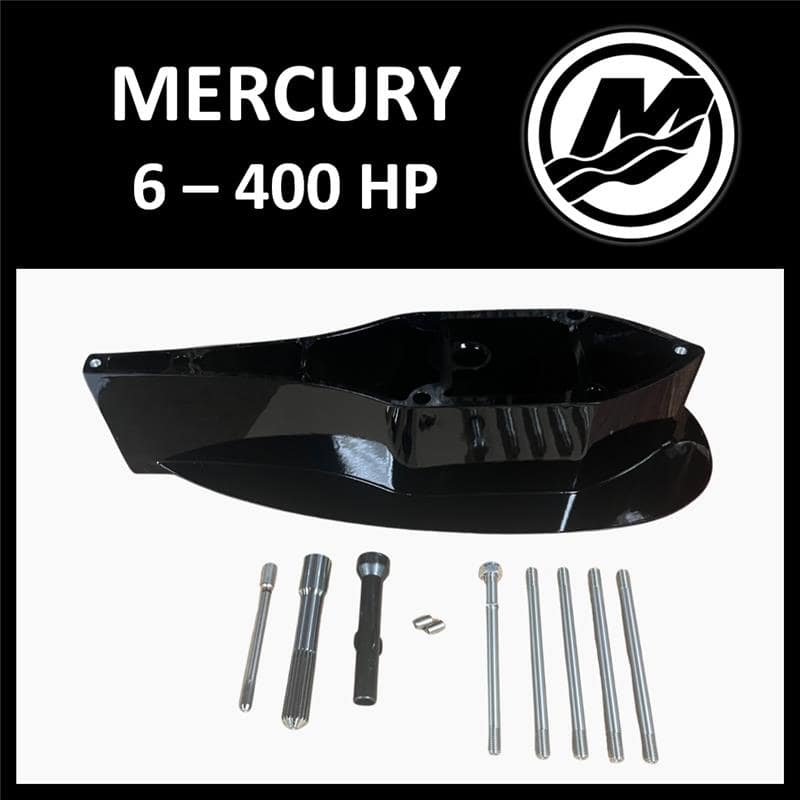
But you can always get individual outboard extension parts instead of the entire kit.
Furthermore, outboard motors can be more challenging to maneuver in certain conditions. The location of the motor at the stern can make it harder to navigate through tight spots or when docking, especially for less experienced boaters. Additionally, the weight distribution of an outboard engine at the back of the boat can affect the overall balance and handling, potentially causing issues with stability and control, especially in rough waters.
Considerations for Choosing Between Inboard and Outboard Motors
When deciding between inboard and outboard motors, your primary consideration should be based on your boating needs and preferences. Inboard motors are typically located within the boat’s hull, housed in an engine compartment, while outboard motors are mounted externally at the stern. Inboard motors offer a quieter and smoother ride since they’re enclosed, while outboard motors provide easier access for maintenance and repairs.
Consider the type of boating activities you’ll be engaging in. Inboard motors are ideal for larger vessels where space isn’t a concern and provide better weight distribution for improved handling. On the other hand, outboard motors are more versatile and suitable for smaller boats or those operating in shallow waters.
Additionally, think about the propulsion systems of each option. Inboard motors usually have shaft-driven propellers, which are more efficient for cruising at higher speeds. Outboard motors, with their integrated drive systems, offer greater maneuverability and are easier to tilt out of the water when not in use. Make your decision based on how these factors align with your boating requirements.

Technological Trends and Future Outlook
Looking ahead, advancements in marine technology are shaping the future of both inboard and outboard motors. When comparing inboard vs outboard motors in terms of technological trends, outboard motors have seen significant advancements in recent years. The integration of digital controls, electronic fuel injection systems, and advanced power steering mechanisms has made outboard motors more efficient, reliable, and user-friendly. On the other hand, inboard motors have also evolved with innovations such as hybrid propulsion systems, improved cooling mechanisms, and enhanced corrosion-resistant materials.
In the future outlook for inboard vs outboard motors, it’s expected that both types will continue to benefit from technological innovations. Outboard motors are likely to see further enhancements in terms of electric propulsion, increased power output, and connectivity features. Inboard motors, on the other hand, may focus on improving fuel efficiency, reducing emissions, and integrating more sustainable power sources. Overall, the future looks promising for both inboard and outboard motors as technology continues to drive advancements in the marine industry.
Frequently Asked Questions
What is better an inboard or outboard motor?
Choosing between inboard and outboard motors hinges on various factors like boat size, intended use, and budget. Outboard motors are typically less expensive, easier to maintain, and better suited for smaller boats or shallow waters. They offer great versatility and are easier to replace or upgrade. On the other hand, inboard motors are favored for larger vessels due to their enhanced stability, power, and quieter operation, making them ideal for activities like fishing where noise reduction is crucial.
Inboards are also more protected from the elements, potentially extending their lifespan, but they tend to have higher initial costs and maintenance expenses. Your choice should consider these factors based on your specific boating needs and preferences.
What are the disadvantages of an inboard motor?
Inboard motors, while offering advantages such as enhanced stability and quieter operation suitable for larger boats, present several disadvantages that could influence your decision. They generally come with a higher upfront cost and require more frequent and labor-intensive maintenance due to their complex internal placement within the boat.
This internal placement can also limit space in the cabin and seating areas and make inboard motors difficult to access for repairs, reducing maneuverability and flexibility compared to outboard motors. Moreover, inboards are not portable and add significant weight to the vessel, which may affect performance and utility depending on the specific boating needs
Why are boats switching to outboards?
Boats are increasingly switching to outboard motors for several reasons. Firstly, outboard motors offer greater versatility and convenience due to their portability and ease of maintenance. They can be easily removed for storage or transportation, making them ideal for smaller boats or for boaters who require flexibility in motor size or type.
Additionally, outboards are typically less expensive to purchase and maintain compared to inboard motors, making them a cost-effective option for many boat owners. Furthermore, advancements in outboard motor technology have improved their performance, fuel efficiency, and reliability, making them an attractive choice for a wide range of boating applications. Overall, the practical benefits and technological advancements of outboard motors are driving the trend towards their increased adoption in the boating industry.
Conclusion
So, when it comes to choosing between inboard and outboard motors for your boat, consider your specific needs and preferences.
Make an informed decision based on what works best for you!
cta_section
