










Key Takeaways:
- Yes, you can use a long shaft outboard on a short transom.
- The correct pairing of shaft length and transom height ensures proper motor performance and boat stability, preventing increased drag, reduced speed, and stability issues.
- Using a jack plate or mini jacker to raise the transom height can accommodate a long shaft outboard, improving propulsion in rough waters if properly installed.
- Proper motor positioning is essential for maintaining boat performance, preventing issues like stern squatting, increased drag, and handling difficulties.
As the old saying goes, ‘a miss is as good as a mile,’ and this couldn’t be truer when it comes to the topic of using a long shaft outboard on a short transom. You might think it’s a straightforward solution, but there are factors you might not have considered.
Yes, you can use a long shaft outboard motor on a shorter transom with a jack plate. However, you may experience less speed and quirky handling. This is because the motor will have more leg in the water, which creates more drag. The prop will also hit the bottom in deeper water than a short shaft outboard.
Incorrect pairing of shaft length and transom height can lead to performance issues, prop damage, and decreased boat stability. However, are there instances where this mismatch could work to your advantage? Let’s explore this further – the answer might surprise you.
Understanding Shaft Length and Transom Height
To get to grips with using a long shaft outboard on a short transom, you’ll first need to understand the basics of transom height and shaft length. The shaft length refers to the length of the motor’s shaft, which is the cylindrical rod that extends from the motor down to the propeller. On the other hand, the transom height is the vertical distance from the bottom of the boat to the top of the transom.
In most scenarios, you’ll have a short shaft motor on a short shaft boat. However, when you’ve got a long shaft outboard and a short transom, things can get a bit tricky. It’s crucial to note that the long shaft outboard is typically designed for a taller transom. If you force it onto a short shaft transom, you risk submerging the motor too deep into the water, which can lead to potential problems.
To resolve this, you can use a transom elevator. It extends the transom height to accommodate the longer shaft. This way, you can use your long shaft outboard with your short transom boat without any major setbacks. Remember, the right fit between your motor and boat is key to a safe and smooth sailing experience.
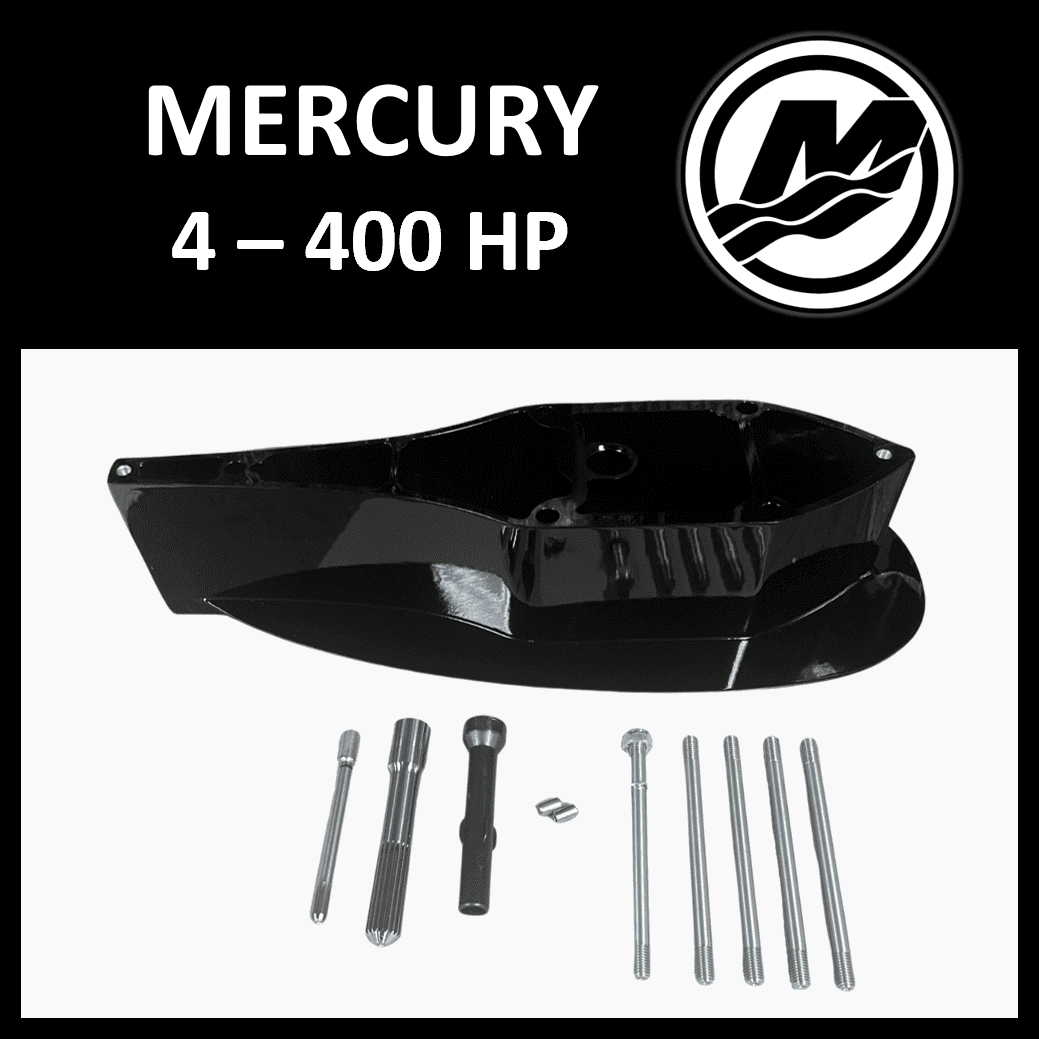
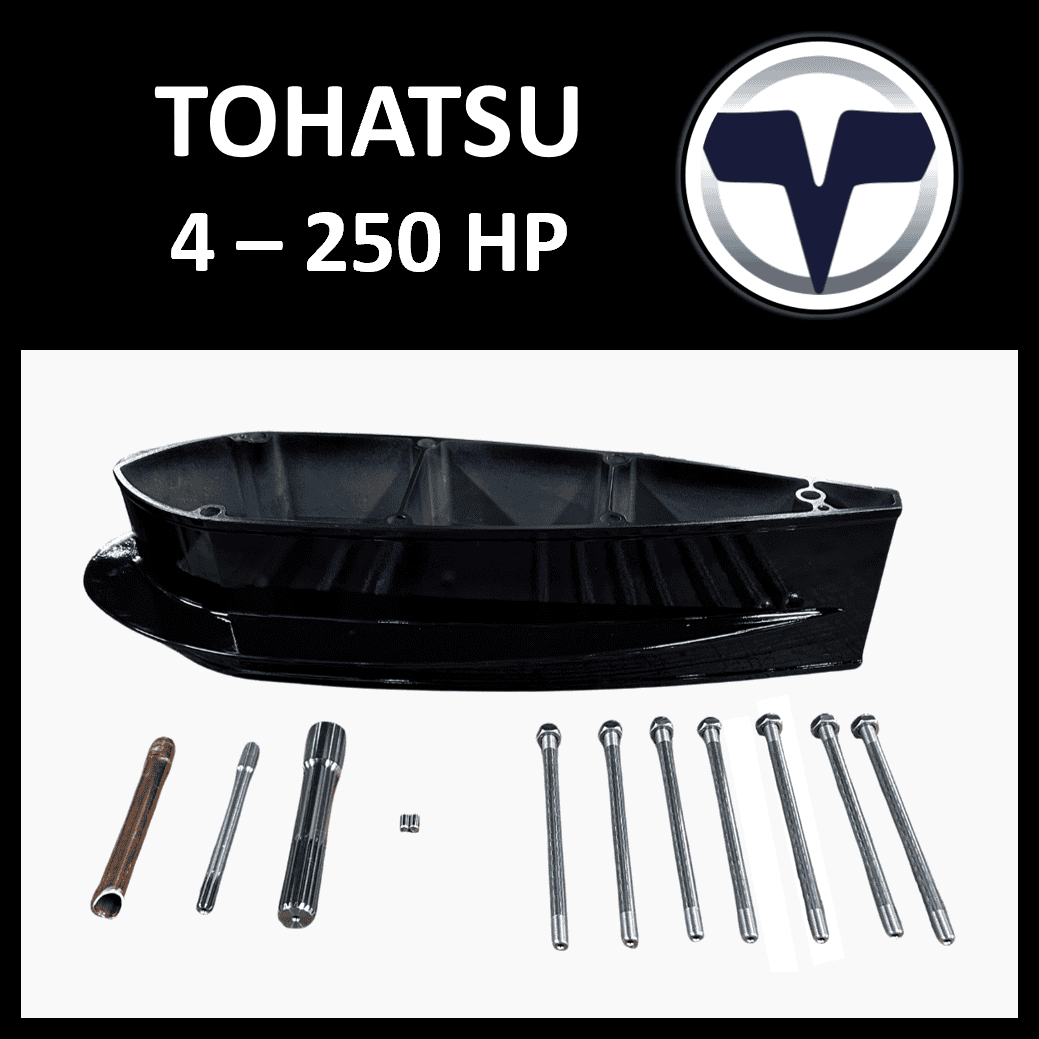
If you need some spare individual outboard extension parts and not an entire long shaft outboard kit, Bay MFG has a range of parts sold separately.
Risks of Using a Long Shaft Outboard on a Short Transom
While you might be tempted to just make do, using a long shaft outboard on a short transom can lead to several serious issues. The risks aren’t just about performance; safety is also a major concern.
When you install a long shaft outboard on a short transom, the cavitation plate sits too low in the water. This causes extra drag that impacts the boat’s performance, slowing down your speed and reducing fuel efficiency. It can also lead to damage of the cavitation plate itself over time.
The height disparity between the long shaft outboard and the short transom creates an imbalance. This imbalance can make the boat unstable, posing a safety risk. You may experience rougher rides, especially in choppy waters, and there’s an increased risk of capsizing.
If you’re considering using a bracket to remedy the situation, think again. The extra height can put undue stress on the transom, leading to potential damage.
In short, while it may seem like a quick fix, using a long shaft outboard on a short transom isn’t recommended. It’s not worth risking your boat’s performance or, more importantly, your safety.

cta_section
Potential Benefits and Use Cases
Despite the risks, there may be certain situations where using a long shaft outboard on a short transom could offer potential benefits. For instance, if your boat often rides in rough or choppy waters, a long shaft outboard – when properly installed – can help keep the propeller submerged, enhancing your boat’s propulsion and overall performance.
Now, let’s dive into some potential use cases. If you’ve a jack plate installed on your boat, it can be adjusted to accommodate a long shaft outboard. The jack plate raises the transom height, essentially turning your short transom into a long one, aligning perfectly with the long shaft motor.
One more case is if you have an alignment list that allows the long shaft outboard to be bolted directly to the transom. This might be a more technical task, but it can work if you’re handy and know your way around boat mechanics.
Technical Overview of Boat Performance
Understanding how the shaft length of an outboard motor affects boat performance is crucial for both safety and efficiency. The shaft length directly impacts the balance, speed, and stability of a boat, influencing everything from handling to fuel consumption.
A long shaft outboard on a short transom positions the propeller deeper in the water than intended, which can shift the center of gravity lower and further back. This misalignment may cause the boat to tilt backwards (stern squatting), particularly at lower speeds, which affects the steering and overall balance. Ideally, the motor should be positioned so that the cavitation plate is level with the bottom of the hull to maintain proper balance.
Alternatives and Solutions
So, what are your options if using a long shaft outboard on a short transom isn’t the best fit for your boating needs? Well, there are alternatives and solutions you can explore to ensure you’re navigating the waters smoothly.
One solution is using a mini jacker. This device is a type of plate that can raise the height of your transom, making it compatible with a long shaft outboard. It’s essential to correctly measure your transom height before purchasing a mini jacker, to ensure it’s the right fit. Once you’ve got the right size, you can bolt it onto your transom using the provided instructions. This will effectively raise the height of your transom and allow you to use a long shaft outboard without any issues.
Another alternative is to switch to a shorter shaft outboard motor. While this can be a more costly solution, it may provide better performance, especially if your boat is designed for a short transom.

Frequently Asked Questions
What happens if I put a long shaft outboard on a short shaft boat?
Installing a long shaft outboard kit on a boat designed for a short shaft can lead to multiple problems. The deeper placement of the propeller can increase drag, reduce speed, and risk damage by hitting the bottom in shallow waters. Stability issues are another concern, as the altered center of gravity can make the boat prone to capsizing in rough conditions.
Additionally, this setup can compromise steering, making the boat difficult to control. Although there are possible modifications like adding a transom extension or adjusting the mounting angle, these should be done professionally to avoid further complications. Generally, it’s best to match the motor’s shaft length with the boat’s transom height to ensure safe and efficient operation.
What is the transom height for a long shaft outboard?
The transom height required for a long shaft outboard motor is typically 20 inches. This measurement ensures that the motor is positioned correctly relative to the waterline, allowing for optimal performance and preventing issues such as excessive drag or propeller submersion that can occur if the shaft is too long for the transom height.
It is essential to match the motor’s shaft length to the transom height to ensure the safe and efficient operation of the boat.
Does shaft length matter on an outboard motor?
Shaft length is critical for the proper operation of outboard motors, affecting boat balance, performance, and safety. The right shaft length ensures that the motor’s propeller is correctly submerged, not too high to avoid cavitation, or too low, which increases drag and risks underwater hazards.
Different boats require specific shaft lengths; for example, boats with shorter transoms need shorter shafts to prevent performance issues like poor handling or increased fuel consumption. Conversely, boats with higher transoms require longer shafts to ensure the motor operates efficiently and safely in various water conditions.
What if the outboard shaft is too long?
If the shaft of an outboard motor is too long for the boat it’s mounted on, it can cause several issues. A shaft that extends too far into the water can create excessive drag, reducing the boat’s speed and efficiency.
This deeper immersion can also make the boat harder to handle, especially at high speeds or in rough waters, and may affect the overall balance and stability of the boat. Additionally, having a propeller that is too low in the water increases the risk of striking underwater objects, potentially leading to damage. Proper alignment of the shaft length with the transom height is critical for optimal boat performance and safety.
Conclusion
So, you thought slapping a long shaft outboard on a short transom would be a smooth sail? Ironically, it’s more like trying to fit a square peg in a round hole.
The risks outweigh the benefits, and you’re better off finding alternatives. Remember, it’s not about making it fit; it’s about creating a balanced, efficient, and safe boating experience. And what’s better than listening to pros who have been in the game for more than 85 years? Trust us, we know what we’re talking about.
Stick to the right fit or face the choppy waters!
cta_section
