









Key Takeaways:
- The choice of boat engine significantly impacts your boating experience, with various types suited to different needs and environments.
- Outboard engines offer versatility and ease of use, making them ideal for smaller boats and recreational activities.
- Inboard engines provide power and stability, integrated into the boat’s hull for better handling and fuel efficiency.
- Jet drive engines are ideal for shallow waters, using a pump system for propulsion, avoiding the risks associated with traditional propellers.
When it comes to boating, the type of engine you choose can significantly impact your experience on the water. Whether you’re cruising along the coast or navigating through narrow waterways, understanding the various types of boat engines available is crucial. From outboard motors, which offer easy installation and maintenance, to the powerful inboard engines built into the boat’s hull, each type has distinct advantages and applications.
Additionally, sterndrive engines combine the benefits of inboard and outboard motors, while jet drive engines provide unique advantages in shallow waters. This article explores the four main types of boat engines, highlighting their features, benefits, and ideal uses to help you make an informed decision for your boating adventures.
Outboard Engines
Outboard engines, designed for boats, are external propulsion systems that you mount on the stern. These compact units include not only the engine but also the gearbox and the propeller, making them an all-in-one solution for smaller boats.
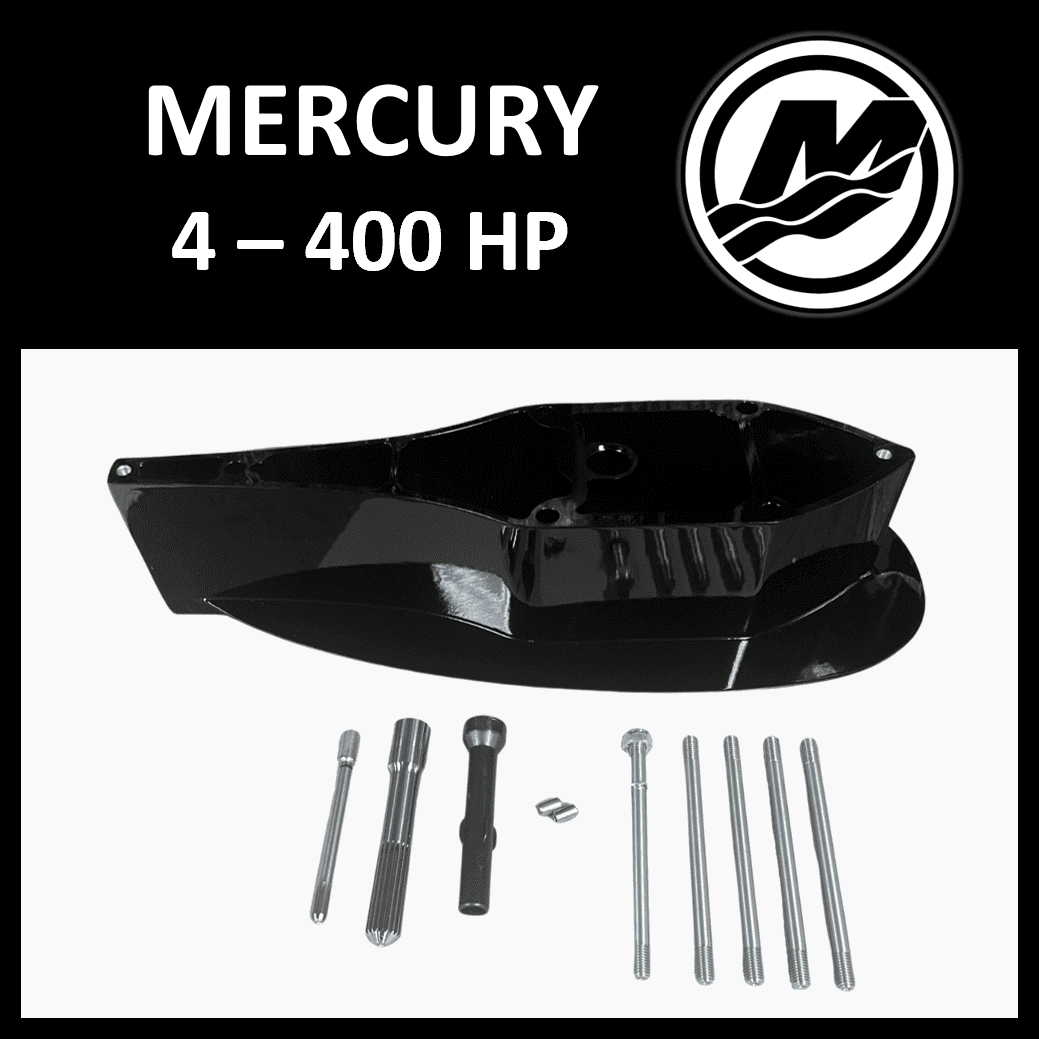
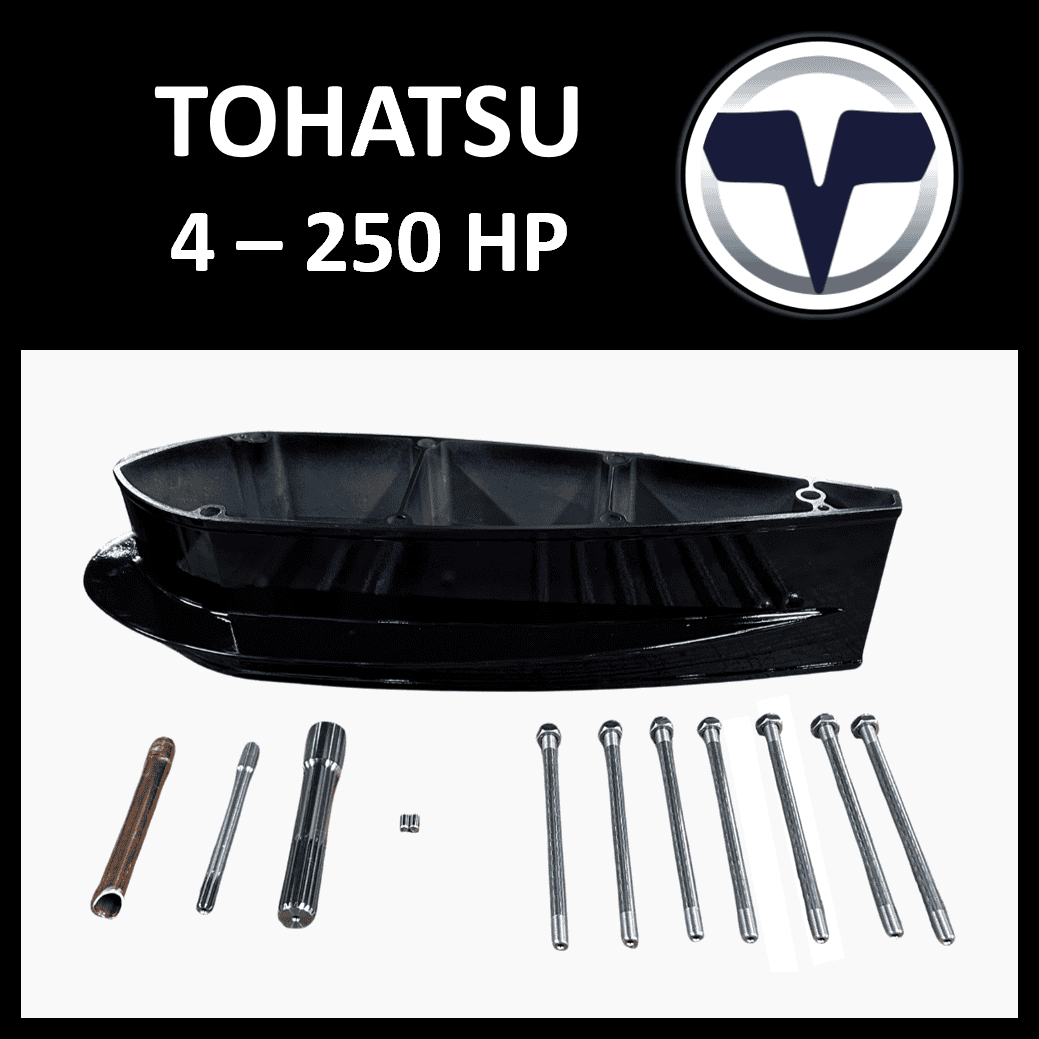
Unlike larger vessels that might require different setups, an outboard motor is particularly versatile and easy to handle, making it perfect for your weekend fishing trips or leisurely lake excursions. Speaking of versatility, with specialized outboard extension kits and individual parts, you can extend the outboards to any length.
One key feature of outboard engines is their steering mechanism, which is connected directly to the steering wheel in your boat. This setup allows you to control the direction of the exposed propeller blades with precision and ease.
Additionally, the entire engine is capable of pivoting to offer better control of the boat, enhancing maneuverability through tight waterways.
Modern outboard motors have seen significant advancements in fuel delivery systems, including the introduction of electronic fuel injection. This technology optimizes the engine’s efficiency and performance, ensuring smoother operation and better fuel economy.
Whether you’re navigating quiet coves or tackling open waters, the reliability and power of an outboard engine can significantly enhance your boating experience.

Inboard Engines
In contrast to outboard motors, inboard engines are built into the hull of your boat, offering a sleeker design and lower center of gravity. This integration means you’re less likely to snag anything from the marine life below, making it a smooth operator in shallow waters.
The inboard engine, typically a diesel or four-stroke, is a powerhouse hidden within the boat’s structure, connected directly to the propulsion system via a drive shaft. This setup allows for more effective power transfer and greater fuel efficiency.
Since the engine drives from within the boat hull, it contributes to better weight distribution, enhancing stability and handling. You’ll find that maneuvering becomes more intuitive with an inboard engine, especially during challenging docking or tight turns.
Plus, you won’t have to worry about an external motor protruding from the back of your boat, giving you a cleaner aesthetic and reduced drag. Maintenance, though potentially more challenging due to the engine’s less accessible location, pays off with generally longer engine life and less exposure to the elements.
Read here about the differences between inboard vs outboard motors.
Sterndrive Engines
Sterndrive engines combine the best features of inboard and outboard motors, offering versatile performance for a range of boating activities. Commonly known as stern drive engines, they’re a popular choice for recreational boats, especially those used in water sports. The engine is mounted inside the boat, providing better balance and stability compared to outboard motors. This setup also contributes to good fuel economy, a plus when you’re out enjoying the water all day.
The drive unit of a stern drive extends through the transom of the boat, combining inboard power with the flexibility of an outboard’s steering capabilities. This allows you to maneuver with precision, which is essential during tight docking or when you’re pulling a skier. Stern drive engines come in various sizes, with maximum horsepower options that can suit any need—from leisurely lake rides to competitive water sports.
Whether you opt for gasoline engines or a diesel engine, stern drives offer a reliable and efficient power source. Diesel versions, in particular, are known for their robust performance and durability. If you’re looking for a motor that combines power with versatility, stern drive engines might just be what you need for your next aquatic adventure.
cta_section
Jet Drive Engines
Jet drive engines offer you a distinct propulsion system, ideal for shallow waters and avoiding underwater hazards.
Unlike traditional types of boat engines that use a propeller, a jet drive unit utilizes a pump powered mechanism. Water is sucked in through a pump intake located beneath the hull and then expelled at high speed through a nozzle at the stern. This process generates thrust that propels the boat forward.
You’ll find this type of engine primarily in jet driven watercraft, which are popular among enthusiasts who frequent rocky rivers or areas where underwater debris is common. The absence of external propellers reduces the risk of entanglement or damage, making jet drives a safer and more durable option in such environments.
When comparing engine types, it’s crucial to note that jet drive engines can offer better handling at high speeds and quicker acceleration. However, they may be less fuel efficient than their propeller-driven counterparts.
Whether you’re exploring the different types of boat engines for personal use or professional application, understanding how a jet drive works and its benefits can help you make an informed decision tailored to your boating needs.

Frequently Asked Questions
What are the 4 basic types of engines on boats?
The four basic types of boat engines are outboard engines, inboard engines, sterndrive engines, and jet drive engines. Outboard engines are mounted on the transom outside the hull and combine the engine, gearbox, and propeller into a single unit, making them versatile for steering. Inboard engines are mounted inside the hull and use a separate rudder for steering, providing strong torque and are commonly used for tow sports.
Sterndrive engines, also known as inboard/outboard engines, combine features of both inboard and outboard engines, with the engine mounted inside the hull and the outdrive outside, offering quiet operation and fuel efficiency. Jet drive engines use water jets for propulsion and steering, eliminating the need for an exposed propeller, and are often found in personal watercraft and boats designed for shallow waters.
What are the most common boat engines?
The most common boat engines are outboard, inboard, sterndrive, and jet drive engines. Outboard engines are popular for smaller boats due to their compact size and ease of use, allowing steering by pivoting the entire engine unit. Inboard engines are found in larger vessels, offering higher horsepower and torque, and are typically located inside the hull with a separate rudder for steering.
Sterndrive engines, also known as inboard/outboard engines, combine features of both inboard and outboard engines, providing flexibility and efficiency for various boating applications. Jet drive engines are used in personal watercraft and boats that operate in shallow waters, as they use water jets for propulsion, eliminating the need for an exposed propeller.
What are the different types of outboard motors?
Outboard motors can be classified into two main types: two-stroke and four-stroke engines. Two-stroke engines are lighter and provide quicker acceleration, making them ideal for smaller boats and applications where speed is a priority. In contrast, four-stroke engines are known for their fuel efficiency, lower emissions, and quieter operation, making them a popular choice for recreational boating and fishing.
Additionally, outboard motors vary in power output, ranging from portable, small-horsepower engines for dinghies and inflatables to high-horsepower engines for larger boats and high-performance applications. Electric outboard motors are also gaining popularity for their eco-friendly nature and quiet operation, especially for smaller boats and areas where noise or emissions are a concern.
Conclusion
Selecting the right boat engine is essential for optimizing performance and enjoyment on the water, and it will also impact future planned maintenance and boat repairs. Each type of engine, from outboard motors known for their versatility and ease of use to inboard engines favored for their power and stability, offers unique advantages.
Sterndrive engines provide a blend of inboard power with outboard maneuverability, making them suitable for a wide range of activities. Meanwhile, jet drive engines excel in shallow waters, where traditional propellers may pose a risk. Understanding these differences allows you to choose the engine that best suits your boating needs and enhances your experience on the water. Whether you’re seeking speed, fuel efficiency, or the ability to navigate challenging environments, there’s an engine type designed to meet your requirements and ensure a smooth, enjoyable journey.orget to give your outboard motor the TLC it deserves! Contact us at Bay MFG and we will help you get it sorted.
cta_section
