










A short shaft outboard usually has a nominal 15-inch shaft; a long shaft usually has a nominal 20-inch shaft. Choose the configuration specified for your boat and mounting arrangement. A longer shaft is not automatically an upgrade, and a short shaft is not automatically more economical.
Short shaft and long shaft comparison
| Configuration | Nominal size | Selection starting point |
|---|---|---|
| Short shaft | 15 inches | A boat specified for a 15-inch outboard |
| Long shaft | 20 inches | A boat specified for a 20-inch outboard |
These labels are not precise tape measurements. Tohatsu’s shaft-length guidance explains that some models measure longer than their nominal category. Do not use an overlapping rule such as “15–20 inches means short” and “20–25 inches means long” to select a motor.
How to choose the right shaft length
Start with the boat specification. Check the required outboard shaft length and mounting instructions. Boat size, water depth, or the motor’s horsepower alone cannot settle this choice. If the boat has a bracket or another mounting system, have the installer check that arrangement too.
Identify the motor. Record its full model and serial number and confirm the shaft configuration in the applicable manufacturer documentation. A used motor may have been converted, so confirm its current configuration as well as its original specification.
Compare the right reference points. Transom height is measured from the top of the transom to the hull bottom or keel at the motor location—not to the waterline. On conventional gasoline outboards, the bracket seating surface and anti-ventilation plate are useful motor measurement references. Our outboard shaft-length measurement guide shows the procedure and diagram.
Shaft length and mounting height are different
Shaft length describes the motor’s configuration. Mounting height describes where that motor sits on the boat. Choosing the appropriate shaft category comes before checking the installed height; the category alone does not specify the final position.
There is no single plate-to-hull dimension for every boat. For example, Mercury Racing’s mounting-height example uses different settings for a particular boat, engine, and propeller combination. Those settings should not be copied to an unrelated installation.
What if the shaft is too short or too long?
A mismatch can put the lower unit and propeller outside the intended operating position. Running the motor too high or too low can hurt performance. Incorrect mounting can also create spray problems; the Tohatsu MFS 9.9E/15E/20E manual, for example, warns about water reaching the engine and gives specific transom-matching instructions for those models.
Have a qualified installer assess the boat and motor together before treating a mounting adjustment as a solution. Shaft length alone does not establish that a boat will handle rough water better, save fuel, or steer more easily. Nor does a performance symptom by itself prove that shaft length is the cause.
Can you convert a short shaft to a long shaft?
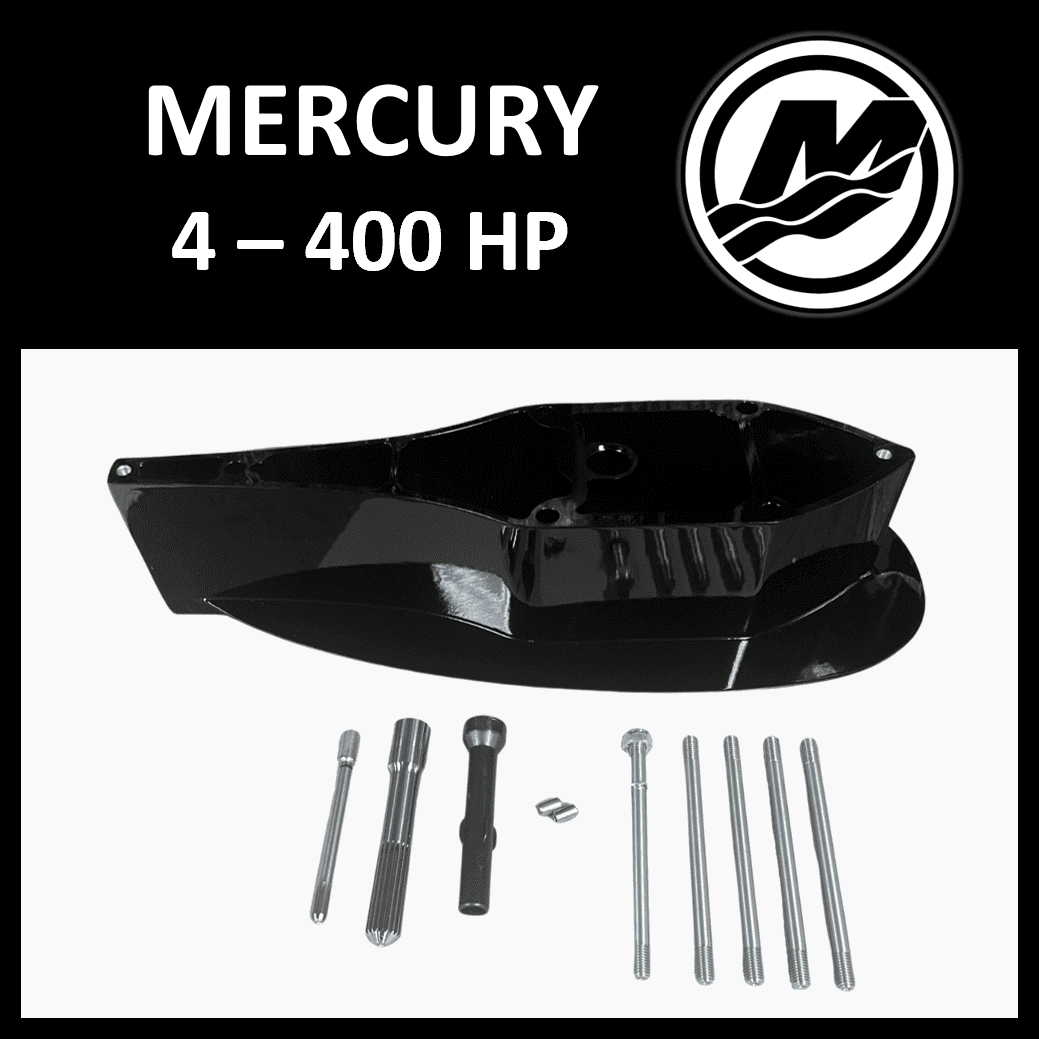
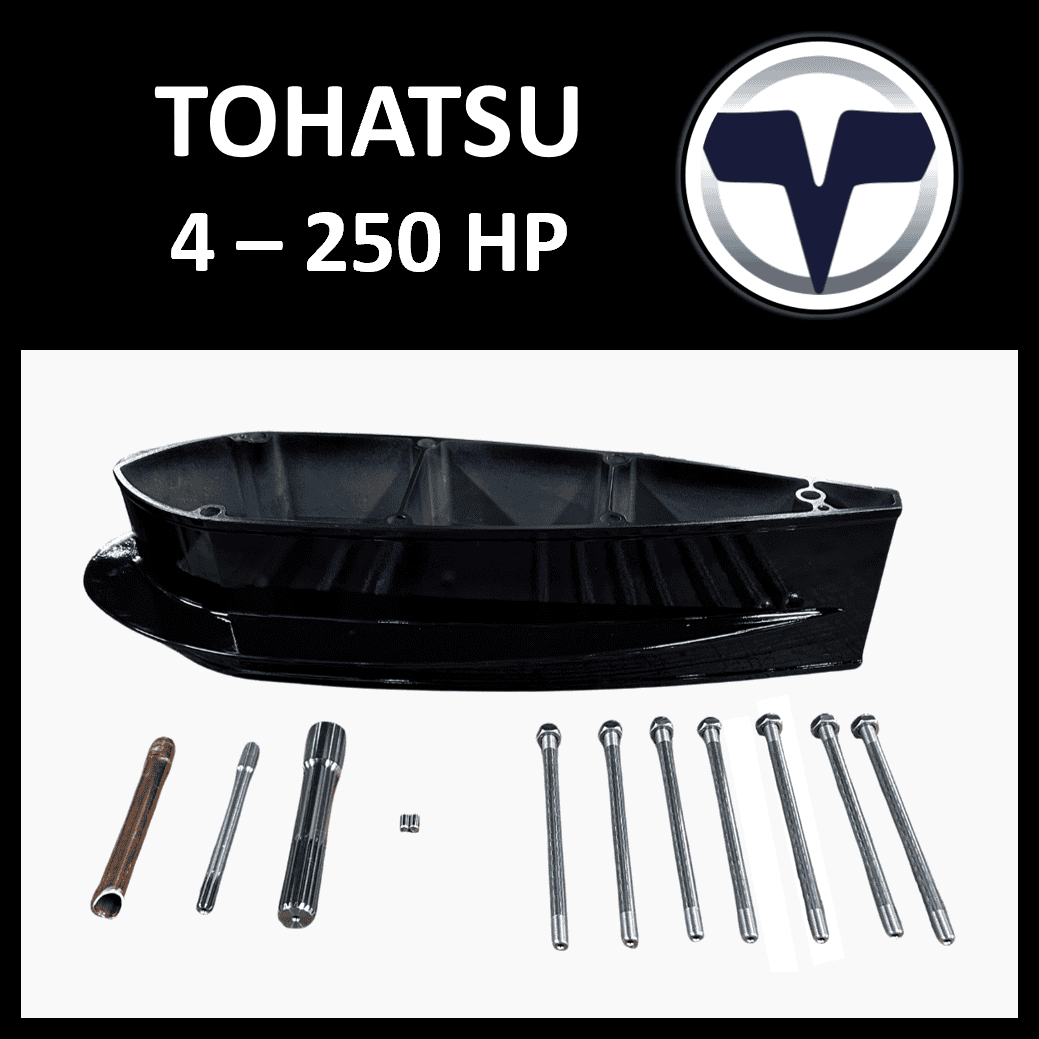
A compatible extension kit can make a longer configuration possible on supported motors. Availability depends on the exact engine and the conversion required. An extension kit does not shorten a motor that is already too long.
Before ordering, gather the brand, horsepower, full model and serial number, two-stroke or four-stroke designation, current shaft configuration, and required conversion. Follow the selected kit’s additional fitment checks. For example, Bay’s Yamaha kit finder includes shift-shaft style, driveshaft splines, and conversion length; matching horsepower alone is insufficient.
An extension kit changes the motor’s configuration; a jack plate changes its mounting position. They solve different fitment problems and should not be treated as interchangeable purchases.
Bay recommends installation by a factory-certified mechanic using the factory service manual. Review our extension kit installation resources with your mechanic and confirm the selected kit’s contents before work begins.
Find the right configuration for your boat
If the boat requires a longer configuration than your motor currently has, use the Bay extension kit finder to check supported conversions. If the model information, measurements, or kit listing do not agree, contact Bay Manufacturing before ordering. A clear photo of the identification label and your current shaft details will help us check the application.
cta_section
