










Key Takeaways:
- Shaft length is crucial for optimal outboard motor performance, impacting propulsion and motor efficiency.
- Long shaft outboard motors are Ideal for boats with a transom height of approximately 20 inches, offering better stability, reduced cavitation, and smoother maneuverability.
- Short shaft outboard motors are suitable for smaller boats and shallow water, providing better fuel efficiency and ease of handling, installation, and maintenance.
- To choose the right shaft length measure from the top of your boat’s transom to the waterline to match the appropriate shaft length, ensuring optimal performance and safety.
Imagine the thrill of your boat slicing through the water, powered by an outboard motor that’s working at its peak performance. You’re likely always looking for ways to improve your boating experience, and one area you might not have considered is upgrading your outboard motor.
It’s not just about raw power; the right upgrades can improve your boat’s fuel efficiency, operating range, and even its lifespan. But how do you know which upgrades are worth your time and money?
Stick with us, we’ll explore the ins and outs of outboard motor upgrades that might just take your boating to the next level.
Understanding Shaft Length
Often overlooked, understanding the shaft length of your outboard motor is crucial for optimal performance. It’s not just about the power or the propeller, the shaft length plays a vital role in how your boat performs on the water.
The shaft length is the distance from the mount to the propeller. You’ve got to measure this against your boat’s transom height. If your outboard motor’s shaft is too short, it won’t reach deep enough into the water, leading to poor propulsion. On the other hand, if it’s too long, you’re risking propeller inefficiency and even possible motor damage.
To ensure you’re getting the best out of your outboard motor, you need to match the shaft length to the transom height. Typically, a boat with a 20-inch transom needs a long shaft outboard motor, while a 15-inch transom fits a standard shaft.
Long Shaft Outboard Motors
Diving into the specifics, long shaft outboard motors are ideal for boats with a transom height of approximately 20 inches. These motors are designed to perform optimally when your boat’s motor mount is around this height, ensuring the propeller’s full submersion for efficient propulsion.
You might ask, ‘Why does a long shaft matter?’ Well, it’s about better performance and control. Long shaft outboard motors offer greater stability, especially in choppy waters. They lessen the chances of cavitation – that annoying phenomenon where air bubbles form around your propeller, reducing its effectiveness.
But it’s not just about performance. Let’s talk convenience. You’ll find it easier to steer and maneuver your boat with a long shaft outboard motor. It offers a smoother ride, too, reducing the jarring impact that can occur when the propeller lifts out of the water.
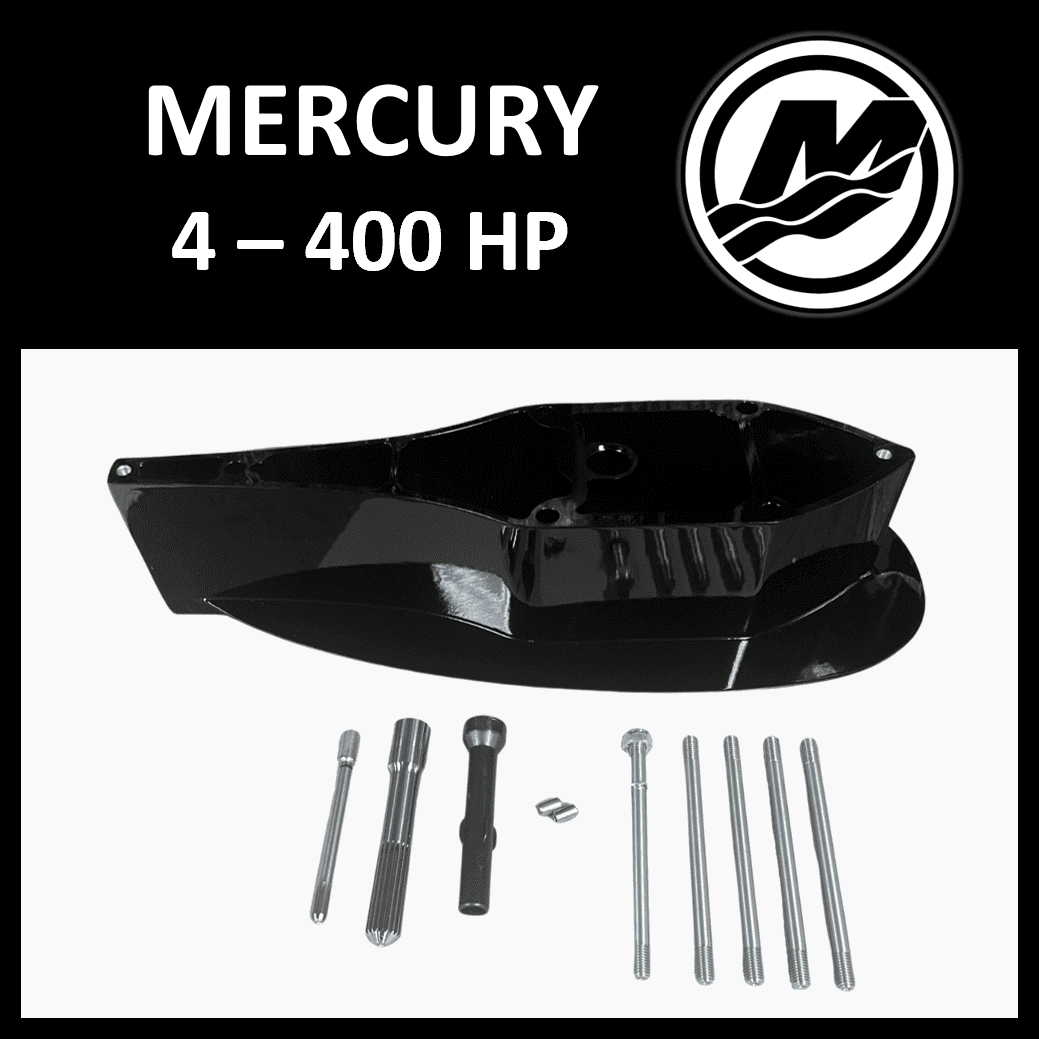
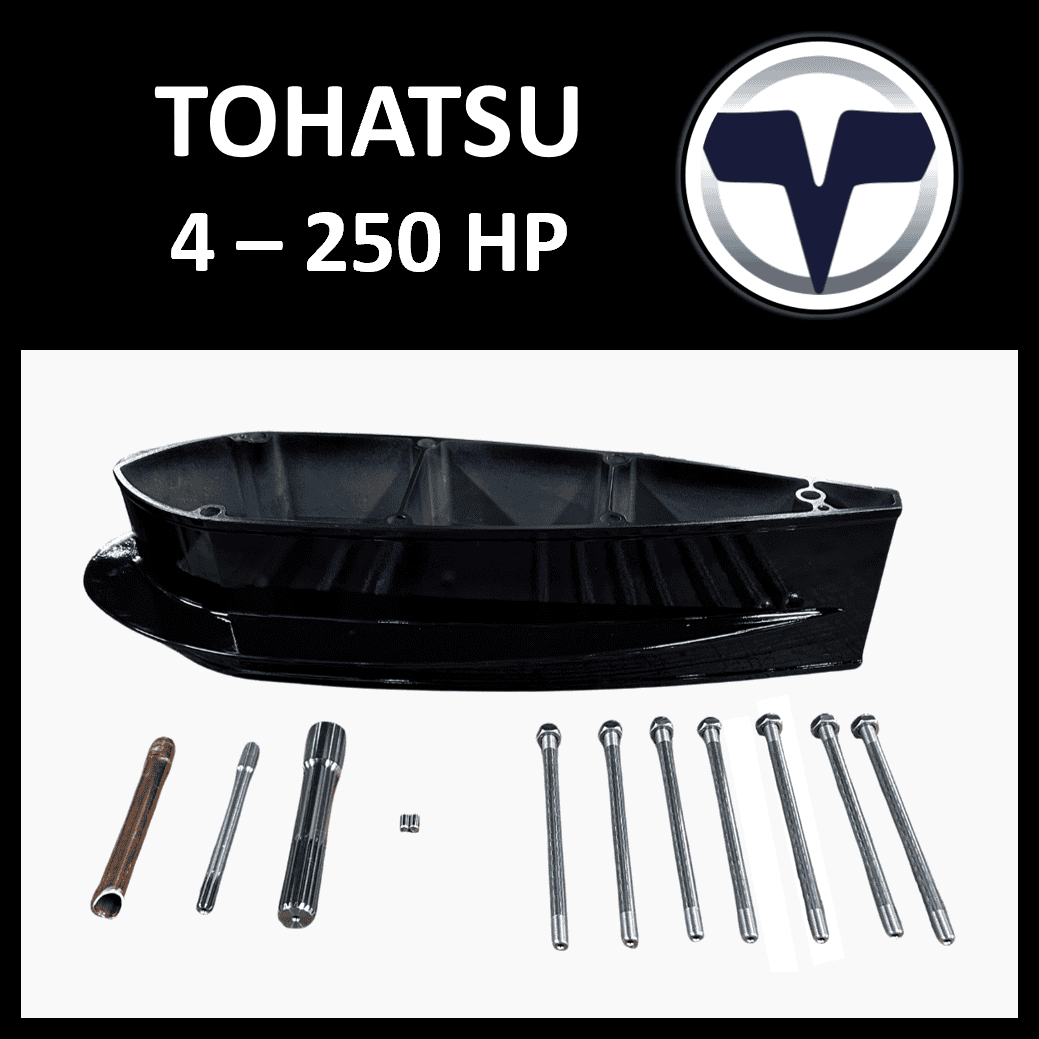
We also carry more than 70 long shaft outboard conversion kits if you need them.

cta_section
Short Shaft Outboard Motors
While long shaft motors have their advantages, you might find that short shaft outboard motors are better suited for your boating needs. Short shaft outboard motors tend to be lighter, more compact, and easier to handle, especially in shallow water conditions. Their design allows for easy maneuverability, making them ideal for smaller boats and watercraft.
You’ll appreciate the convenience of a short shaft outboard motor. They’re typically easier to install and maintain. Plus, they’re often more fuel-efficient, providing you with more runtime per gallon of fuel. You’ll feel the difference in performance, especially if you’re using a lightweight watercraft.
However, keep in mind that short shaft outboard motors aren’t for every situation. They work best in calm, shallow waters. In choppy or deep conditions, they may not perform as well. That’s because the motor’s propeller needs to be fully submerged to operate correctly.
Just like any outboard motor, short shaft motors require regular maintenance to keep them performing optimally. Regular oil changes and propeller checks are a must. In short, if you’re after a lightweight, easy-to-handle motor for your small boat, a short shaft outboard motor might just be the perfect match for you.
Choosing the Right Shaft Length
So, how do you choose the right shaft length for your outboard motor? It’s not as complicated as you might think. First, you need to measure the distance from the top of your boat’s transom down to the waterline. This measurement is vital in choosing the right shaft length for your outboard motor.
For outboard motor performance upgrades, shaft length is a critical factor. A short shaft may prove less effective if your boat’s transom is high, causing cavitation, reducing power, and possibly damaging your outboard motor. On the other hand, a long shaft on a low transom could lead to excessive drag, slowing your boat down.
Remember, the goal is to position the propeller at the right depth in the water. Generally, if your boat’s transom height is between 15 to 20 inches, you’ll need a short shaft outboard motor. If it’s between 20 to 25 inches, a long shaft is more appropriate.
Choosing the right shaft length isn’t just about performance; it’s about safety too. The wrong shaft length can lead to instability, making your boat prone to capsizing. So, take the time to measure, analyze, and choose wisely.

Frequently Asked Questions
Do I need a long shaft or short shaft outboard?
To determine whether you need a long shaft or short shaft outboard motor, you should consider several factors related to your boat’s specifications and the conditions in which you’ll be operating it. First, assess the size and type of your boat, as well as the height of its transom. Larger boats typically require long shaft outboards, while smaller vessels, such as dinghies or kayaks, are better suited to short shaft motors. Additionally, consider the water conditions you’ll encounter.
Long shaft outboards perform better in rough waters, while short shaft motors offer greater maneuverability in shallow or calm waters. It’s also essential to think about propeller efficiency and potential compatibility issues with your boat’s transom. Consulting with experts or dealers and possibly testing different options can help you make an informed decision based on your specific needs and preferences.
What is the benefit of a long shaft outboard?
Long shaft outboard motors offer several benefits that make them well-suited for certain boating scenarios. Firstly, their longer shaft length provides better performance and efficiency, especially on larger boats with deeper transoms. This increased shaft length allows the propeller to operate in a more optimal position relative to the water surface, resulting in improved thrust and maneuverability. Long shaft outboards are particularly advantageous in rough waters, where they can maintain stability and provide better control compared to shorter shaft models.
Additionally, the longer shaft enhances propeller efficiency by ensuring that it remains submerged even when the boat is riding through waves or choppy conditions, reducing cavitation and maximizing power transfer. Overall, the main benefit of a long shaft outboard is its ability to deliver reliable performance and handling in various marine environments, making it a preferred choice for many boaters, especially those with larger vessels.
Can an outboard shaft be too long?
When considering whether an outboard shaft can be too long, it’s essential to understand the implications of shaft length on boat performance and safety. While a longer shaft can provide benefits such as improved propeller efficiency and better performance in rough waters, there are potential drawbacks if the shaft length exceeds the optimal size for a particular boat.
Our expert advice: If the shaft is too long for the boat’s transom height, it can cause issues such as cavitation, where the propeller struggles to maintain proper contact with the water surface, leading to reduced thrust and potential damage to the motor.
Additionally, an excessively long shaft may cause the propeller to run too deep, increasing the risk of striking underwater obstacles or causing drag, which can affect fuel efficiency and overall handling. Therefore, while a longer shaft can offer advantages, it’s essential to ensure that it is properly sized for your boat to avoid potential drawbacks and optimize performance and safety on the water.
What is the transom height for a short shaft outboard?
Short shaft outboard motors are designed to be compatible with boats that have lower transom heights compared to standard or long shaft models. Typically, the transom height for a short shaft outboard motor ranges from 15 to 17 inches (38 to 43 centimeters) from the mounting surface to the top of the transom.
This shorter transom height is well-suited for smaller boats, such as dinghies, inflatable boats, and some fishing boats, where a standard or long shaft outboard may be too tall. Short shaft outboards are preferred for these vessels as they allow the propeller to operate efficiently without excessive immersion in the water, ensuring optimal performance and maneuverability. It’s important for boat owners to verify the specific transom height requirements recommended by the manufacturer of their outboard motor to ensure proper compatibility and safe operation.
Conclusion
So, you’ve navigated the sea of outboard motor upgrades, understanding the ins and outs of shaft lengths. It’s no small feat!
Remember, choosing the right shaft isn’t just a drop in the ocean, it’s the key to a smooth sailing experience. You can always contact us to get professional advice, help or our expert services. After all, you can trust thousands of happy BayMFG customers.
Stay in tune with your boat’s needs and you’ll soon be riding the waves like a pro.
cta_section
